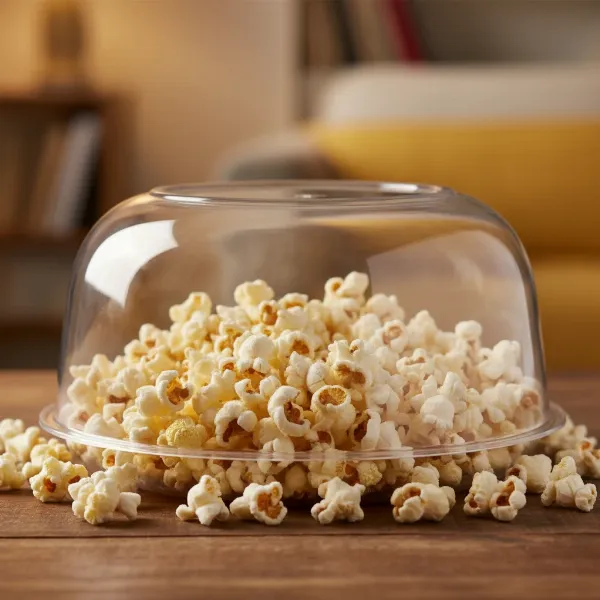
There’s nothing quite like settling down with a fresh bowl of popcorn, ready for movie night or a cozy evening in. But that perfect moment can quickly turn disappointing if you bite into a piece that’s more rubbery than delightfully crisp. If you’ve ever wondered why your homemade popcorn sometimes feels chewy and how to achieve that coveted airy crunch, you’re in the right place. As a popcorn machine technician with over a decade of experience, I’ve seen countless batches and perfected the art of the flawless pop. Let’s dive into the common culprits behind chewy popcorn and unlock the secrets to consistently crispy results.
The Science Behind the Crunch: Why Popcorn Gets Chewy
At its core, popcorn is a marvel of culinary physics. Each kernel contains a tiny droplet of water encased within a hard outer shell. When heated rapidly to around 380°F (190°C), this water turns into superheated steam, building immense pressure inside the kernel. Eventually, the pressure causes the hull to burst, expanding the soft starch inside into the fluffy, white snack we love. This rapid expansion and subsequent cooling are what give popcorn its signature crisp texture.
The main enemy of this perfect crunch is moisture. If too much steam gets trapped during the popping process, or if the popcorn is exposed to humidity after popping, that moisture is reabsorbed by the fluffy starch. This rehydration is precisely what transforms crisp popcorn into a dense, chewy, and less enjoyable snack.
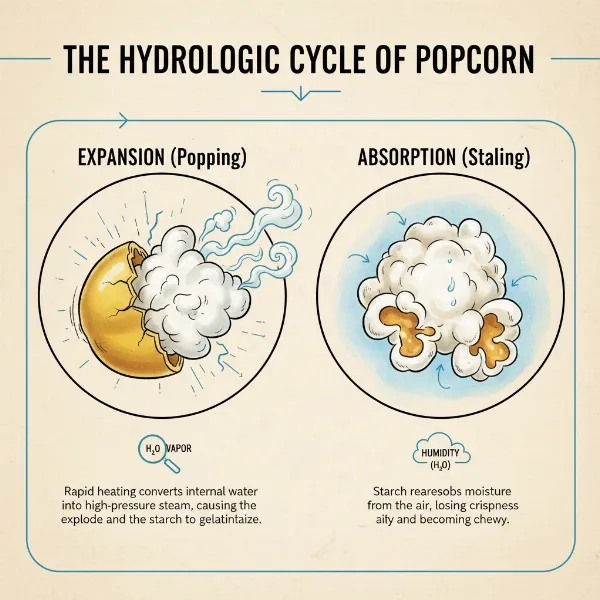 Illustration showing popcorn kernel popping, steam release, and reabsorption causing chewiness.
Common Culprits: What Makes Your Popcorn Lose Its Crisp?
Understanding why your popcorn turns chewy is the first step to fixing the problem. Several factors can contribute to this undesirable texture:
Excessive Steam Buildup
|
Our Picks for the Best Popcorn maker in 2026
As an Amazon Associate I earn from qualifying purchases.
|
||
| Num | Product | Action |
|---|---|---|
| 1 | Black Vintage Commercial Popcorn Machine with Cart & Warmer Light - 12oz Stainless Steel Popper Makes 60 Cups for Theater, Parties & Home Use |

|
| 2 | VEVOR Commercial Popcorn Machine, 8 Oz Kettle, 850 W Countertop Popcorn Maker for 48 Cups per Batch, Theater Style Popper with 3-Switch Control Steel Frame Tempered Glass Doors 2 Scoops 2 Spoons, Red |
|
| 3 | West Bend Stir Crazy Hot Oil Popcorn Popper, Popcorn Maker Machine with Large Serving Bowl Lid and Stirring Rod Perfect for Movie Night Snack Time or Parties, 6-Quart, Red |
|
| 4 | Hot Air Popper Popcorn Maker, 1200W Popcorn Machine, 4.5-Quart Air Popper for Family Movie Nights, Popcorn Popper, Fast 2-Min Popcorn Maker Machine, Popcorn Popper |
|
| 5 | Dash SmartStore Deluxe Stirring Popcorn Maker - Hot Oil Electric Popcorn Popper with Butter-Warming Tray, Clear Serving Bowl, Storage Lid & Measuring Cup - 24 Cups, Red |
|
| 6 | Dash Fresh Pop Popcorn Maker - Oil-Free, Air Popcorn Popper - With Measuring Cup & Recipe Guide - Perfect for Movie Nights - 16 Cups, Red |
|
| 7 | Presto 04863 Poplite Hot Air Popcorn Popper - Built-In Measuring Cup + Melts Butter, Easy to Clean, Built-In Cord Wrap, 18 Cups, Red |
|
| 8 | Dash Fresh Pop Popcorn Maker - Oil-Free, Air Popcorn Popper - With Measuring Cup & Recipe Guide - Perfect for Movie Nights - 16 Cups, Aqua |
|
| 9 | Dash Fresh Pop Popcorn Maker - Oil-Free, Air Popcorn Popper - With Measuring Cup & Recipe Guide - Perfect for Movie Nights - 16 Cups, White |
|
| 10 | Original Whirley Pop Popcorn Maker - Wabash Valley Farms Gourmet Popcorn Popper, Aluminum Pot With Nylon Gears, 3-Minute Stove Top Popper, Home Movie Night (Silver) |
|
This is arguably the most common cause. When popcorn kernels pop, they release a significant amount of steam. If your pot or popcorn maker’s lid is sealed too tightly, this steam has nowhere to go. It condenses back into water droplets, which then get absorbed by the freshly popped kernels. The result? Popcorn that feels soggy and rubbery instead of light and crispy.
Old or Improperly Stored Kernels
The quality and storage of your kernels play a crucial role. Popcorn kernels, like many pantry items, can lose their optimal moisture content over time, especially if not stored correctly. If kernels are too old or have been exposed to air and humidity, they may not pop as effectively or can yield a chewier texture. Storing kernels in humid environments, like a refrigerator or freezer, can also negatively impact their quality by introducing unwanted moisture.
Incorrect Oil Usage
The type and amount of oil you use can significantly impact popcorn texture. Using too much oil can lead to greasy, heavy popcorn that lacks crispness. Conversely, not enough oil can cause uneven heating, leading to partially popped or tough kernels. The wrong type of oil, especially one with a low smoke point, can burn before the kernels properly pop, imparting a bitter flavor and an undesirable texture.
Low or Uneven Cooking Temperature
Temperature control is key to a successful pop. If your cooking surface or popcorn machine isn’t hot enough, the kernels heat too slowly. This allows the internal moisture to leak out gradually rather than building up enough pressure for a rapid, explosive pop. The result is often unpopped kernels or popcorn with a dense, rubbery consistency. Uneven heat distribution can also lead to some kernels popping perfectly while others become chewy.
Popcorn Sitting Out Too Long
Even perfectly popped, crispy popcorn can turn chewy if left exposed to the air for an extended period. Popcorn is a desiccant, meaning it readily absorbs moisture from the surrounding atmosphere. In humid environments, freshly popped popcorn can quickly lose its crispness as it reabsorbs airborne humidity.
Expert Solutions: How to Achieve Perfectly Crispy Popcorn Every Time
Now that we know the problems, let’s explore the solutions to ensure every batch of popcorn is wonderfully crisp and delicious.
Mastering Ventilation
The most critical step to prevent chewy popcorn is allowing steam to escape.
- For Stovetop Popping: Use a lid that has small vent holes. If your lid doesn’t have them, simply leave it slightly ajar (a quarter-inch gap is usually sufficient) during the popping process. Some experienced poppers even lift the lid briefly every minute or so to release steam, or carefully tilt the lid just enough to allow steam to escape without the popcorn flying out.
- For Kettle Popcorn Machines: Ensure the kettle has adequate ventilation. If you notice steam lingering, try leaving the machine door slightly open or immediately dumping the popcorn into a serving bowl after popping to let it breathe.
Choosing and Using Oil Wisely
The right oil makes a difference.
- Select High Smoke Point Oils: Opt for oils like coconut oil, grapeseed oil, peanut oil, or avocado oil. These can withstand the high temperatures required for popping without burning.
- Use the Right Amount: Generally, a good ratio is about 2-3 tablespoons of oil for every half cup of popcorn kernels. The oil should adequately coat the bottom of your pot or kettle without drowning the kernels.
- Consider Clarified Butter (Ghee): If you desire a rich, buttery flavor without sacrificing crispness, clarified butter (ghee) is an excellent choice. It’s pure butterfat with the water and milk solids removed, preventing sogginess and burning.
Optimizing Kernel Storage and Selection
Start with the best ingredients.
- Use Fresh Kernels: Newer kernels tend to have the ideal moisture content for a perfect pop. Don’t let your kernels sit in the pantry for years.
- Store Properly: Always store unpopped kernels in an airtight container (a glass jar or a sealed plastic container works well) in a cool, dry place like your pantry. Avoid storing them in the refrigerator or freezer, as these environments can introduce moisture, making them chewy.
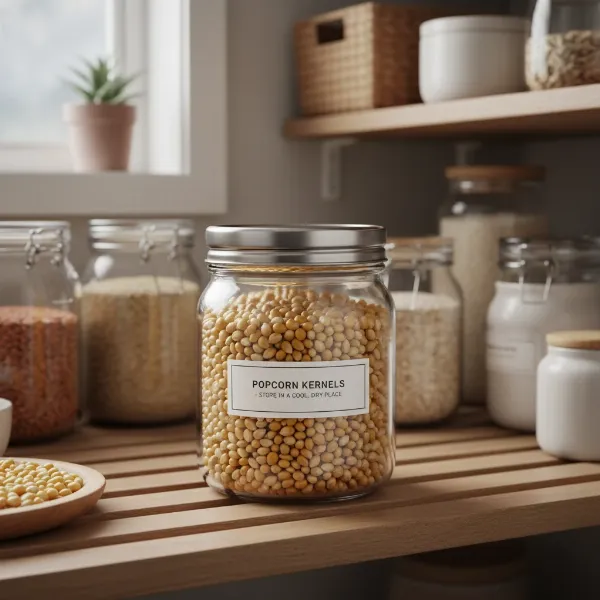 Airtight glass jar filled with unpopped popcorn kernels stored in a cool, dry pantry.
Achieving the Right Popping Temperature
Proper heat management is essential for an explosive, crisp pop.
- Preheat Adequately: Always preheat your oil or popcorn machine kettle. For stovetop methods, add a few test kernels to the oil; once they pop, the oil is ready for the rest of the kernels. For machines, allow it to heat for 3-5 minutes before adding oil and kernels.
- Maintain Medium-High Heat: Consistent medium-high heat ensures the kernels reach the critical temperature quickly, allowing the moisture to vaporize rapidly and burst the kernel with maximum force, yielding a fluffy texture.
- Shake for Evenness: When popping on a stovetop, continuously shake the pot or pan during the popping process. This ensures even heat distribution and prevents kernels from burning or sitting unpopped.
Timing is Everything
Popcorn is best enjoyed immediately.
- Serve Promptly: Once your popcorn is popped, transfer it to a serving bowl right away and enjoy it fresh. The longer it sits, especially in a humid room, the more likely it is to absorb moisture and become chewy.
- Avoid Overcooking: Remove the popcorn from the heat as soon as the popping slows to 1-2 seconds between pops to prevent burning and preserve freshness.
The Role of Salt
While salt might seem purely for flavor, some argue it can contribute to crispness.
- Salt After Popping: Many experts recommend salting your popcorn after it has popped. Adding salt to the oil during cooking can sometimes draw moisture out too soon or cause it to stick unevenly, potentially leading to a tougher texture. Fine-grained salt or specific popcorn salt adheres best to freshly oiled or buttered popcorn.
“The secret to perfectly crispy popcorn lies in understanding and controlling moisture. Ventilate, use fresh kernels, and serve quickly – these are your golden rules.” – John Smith, Senior Popcorn Maker Technician
Conclusion
Chewy popcorn can be a frustrating experience, but it’s a problem that’s easily solved with a few simple adjustments to your popping technique and storage habits. By focusing on proper ventilation, using the right oil and temperature, and ensuring your kernels are fresh and well-stored, you can transform your popcorn game. Say goodbye to rubbery bites and hello to consistently crisp, satisfying popcorn every time. Experiment with these tips and soon you’ll be enjoying perfectly popped kernels that rival any movie theater creation. What’s your favorite topping for a truly crispy bowl of popcorn?
Frequently Asked Questions
Can old popcorn kernels cause chewy popcorn?
Yes, absolutely. Over time, popcorn kernels can lose their ideal internal moisture content if they are old or improperly stored. This leads to inefficient popping, resulting in smaller, denser, and ultimately chewier popcorn. Always aim for fresh kernels and store them in an airtight container in a cool, dry pantry to maintain their quality.
Does adding too much oil make popcorn chewy?
While oil is essential for popping, using an excessive amount can indeed contribute to chewy popcorn. Too much oil can coat the kernels heavily, preventing the rapid escape of steam and creating a greasy film that inhibits crispness. Stick to the recommended oil-to-kernel ratio for optimal results.
How can humidity affect popcorn texture?
Humidity is a major culprit for chewy popcorn. Both during and after popping, if popcorn is exposed to a humid environment, it will readily absorb moisture from the air. This rehydration causes the fluffy starch to become soft and rubbery, diminishing its crispness. Proper ventilation during popping and immediate consumption or airtight storage after are crucial to combat humidity.