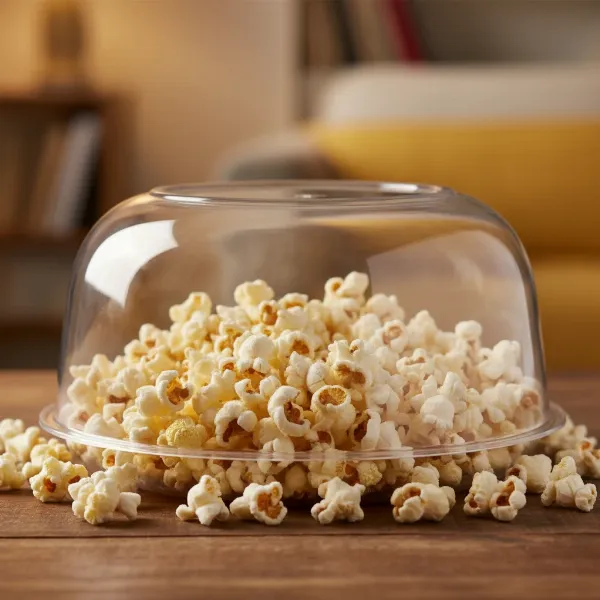
Few snacks evoke the same sense of joy and nostalgia as popcorn. Whether at the fair, the cinema, or a cozy night in, popcorn holds a special place in our hearts and palates. But behind every perfect kernel lies a fascinating tale of ingenuity and innovation, a story deeply intertwined with the evolution of the popcorn machine. From its humble beginnings in 1885, this remarkable invention has transformed a simple grain into a global phenomenon, constantly adapting to new technologies and changing consumer demands. Join us as we explore the captivating history of the popcorn machine, tracing its path from a steam-powered marvel to the sophisticated devices we know today.
The Dawn of a New Era: Charles Cretors and the 1885 Invention
Before the late 19th century, popping corn was a labor-intensive affair, typically involving pots over open flames or hot ashes. This all changed with the visionary work of Charles Cretors, a confectioner from Chicago. Dissatisfied with the hand-roasted peanuts in his shop, Cretors set out to build a more efficient machine. His early efforts led to a redesigned peanut roaster utilizing a portable steam engine. It was during the testing of this innovative device that he made a pivotal discovery: his machine could also expertly pop popcorn.
In 1885, Charles Cretors unveiled the first commercial popcorn machine, a steam-powered marvel that not only roasted peanuts but also popped corn uniformly with seasoning. This invention marked the official inception of C. Cretors & Company, a name that would become synonymous with popcorn innovation. His machine’s automated operation offered unparalleled predictability and consistency, a significant leap forward from traditional methods.
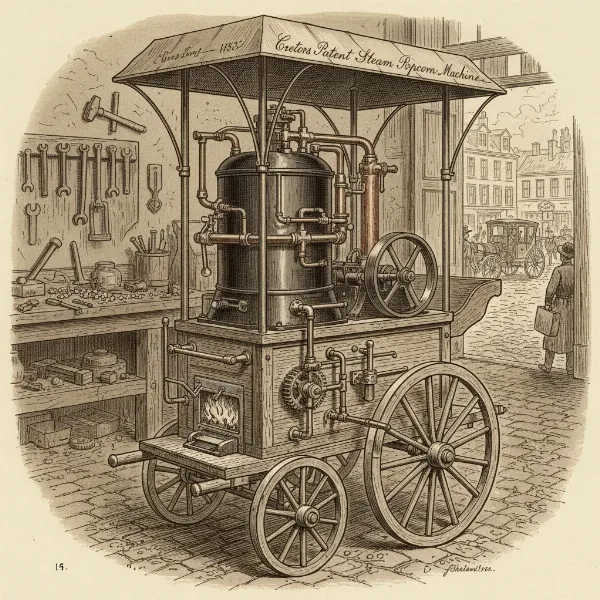 Illustration of Charles Cretors' first steam-powered commercial popcorn machine from 1885, a groundbreaking invention.
Popcorn Takes the Stage: The 1893 World’s Fair and Mobility
While Cretors’ initial machine was groundbreaking, its true public debut and widespread popularization came a few years later. In 1893, he showcased his mobile popcorn wagon at the World’s Columbian Exposition in Chicago. This portable steam-powered cart was a sensation, captivating crowds with the alluring aroma and spectacle of fresh popcorn being popped right before their eyes.
The World’s Fair proved to be the perfect platform, transforming popcorn from a static, homemade treat into an accessible, on-the-go snack. Vendors could easily move these wagons through bustling streets and fairgrounds, reaching a broader audience and cementing popcorn’s place in American street food culture. The success of these early mobile units laid the foundation for popcorn’s future as a beloved public indulgence.
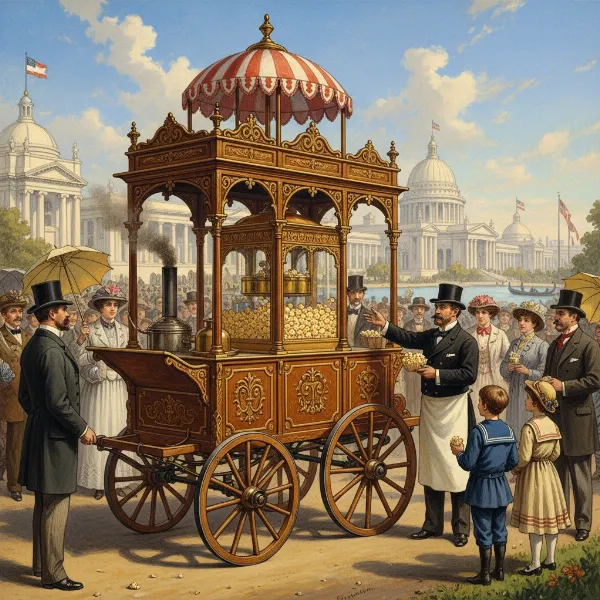 Historic image of a mobile, steam-powered popcorn wagon at the 1893 World's Columbian Exposition in Chicago.
The Roaring Twenties to Wartime Rations: Popcorn’s Golden Age
The early 20th century brought significant advancements and a dramatic surge in popcorn’s popularity. As electricity became more widespread, popcorn machine manufacturers, including Cretors, began transitioning from steam power to electric motors, making the machines even more efficient and easier to operate. This period also saw popcorn form an inseparable bond with movie theaters.
Initially, many theater owners resisted selling popcorn, fearing the mess it created in their elegant lobbies. However, resourceful street vendors capitalized on this oversight, selling bags of popcorn to moviegoers outside the theaters. Recognizing the immense profit potential, especially during the Great Depression when it was an affordable luxury, theaters eventually embraced popcorn. By the 1930s, custom-designed, high-volume popcorn machines, often adorned with vibrant colors and flashing lights, became standard fixtures in movie lobbies, solidifying popcorn as the quintessential cinema snack. The demand only grew during World War II when sugar rationing made other sweets scarce, further establishing popcorn as America’s go-to treat.
“The transformation of popcorn from a simple farm snack to a cinematic staple is a testament to its universal appeal and the entrepreneurial spirit that propelled its mechanical evolution.”
Innovations for the Modern Home: From Air Poppers to Microwaves
As the mid-20th century progressed, the focus began to shift towards making popcorn more accessible for home consumption. While stovetop methods remained popular, new technologies emerged that offered greater convenience. Hot-air popcorn poppers, introduced in the late 1970s, provided a healthier alternative by eliminating the need for oil, appealing to a growing health-conscious public.
A truly revolutionary moment arrived with the advent of microwave technology. Though the microwave oven was invented in 1946 by Percy Spencer after a chance discovery with a melting chocolate bar, it wasn’t until the 1980s that microwave popcorn bags became widely available. This innovation allowed anyone to enjoy freshly popped corn with minimal effort, rapidly increasing at-home popcorn consumption and sparking a new wave of popcorn product development. Shelf-stable versions soon followed, cementing microwave popcorn as a household staple.
Popcorn Machines Today: Convenience, Technology, and Beyond
Today, the popcorn machine landscape is more diverse than ever, catering to every imaginable need, from massive industrial operations to compact countertop units. Commercial machines have evolved into highly sophisticated systems, capable of producing thousands of pounds of popcorn per hour using continuous hot-air technology, a significant leap from Cretors’ early steam engines.
For home users, the choices are abundant. Modern popcorn machines prioritize convenience, efficiency, and customization. You can find sleek air poppers for a healthy snack, traditional oil poppers for that classic movie theater taste, and even smart popcorn makers that integrate with smart home systems. Innovations continue, focusing on easier cleaning, energy efficiency, and eco-friendly materials. The journey from a rudimentary steam-powered cart to today’s high-tech appliances showcases a continuous drive to perfect the art of popcorn popping, ensuring this beloved snack remains a timeless favorite for generations to come.
Conclusion
The history of the popcorn machine is a captivating narrative of invention, adaptation, and cultural integration. From Charles Cretors’ pioneering steam-powered wagon in 1885 to the widespread adoption of electric, air, and microwave poppers, each advancement has played a crucial role in shaping our snacking habits. This humble grain, coupled with mechanical ingenuity, has created an industry and a beloved tradition. What new innovations do you imagine for the popcorn machine in the decades ahead?
Frequently Asked Questions
When was the first commercial popcorn machine invented?
|
Our Picks for the Best Popcorn maker in 2026
As an Amazon Associate I earn from qualifying purchases.
|
||
| Num | Product | Action |
|---|---|---|
| 1 | Dash Fresh Pop Popcorn Maker - Oil-Free, Air Popcorn Popper - With Measuring Cup & Recipe Guide - Perfect for Movie Nights - 16 Cups, Aqua |

|
| 2 | Black Vintage Commercial Popcorn Machine with Cart & Warmer Light - 12oz Stainless Steel Popper Makes 60 Cups for Theater, Parties & Home Use |
|
| 3 | Dash Fresh Pop Popcorn Maker - Oil-Free, Air Popcorn Popper - With Measuring Cup & Recipe Guide - Perfect for Movie Nights - 16 Cups, Red |
|
| 4 | Original Whirley Pop Popcorn Maker - Wabash Valley Farms Gourmet Popcorn Popper, Aluminum Pot With Nylon Gears, 3-Minute Stove Top Popper, Home Movie Night (Silver) |
|
| 5 | VEVOR Commercial Popcorn Machine, 8 Oz Kettle, 850 W Countertop Popcorn Maker for 48 Cups per Batch, Theater Style Popper with 3-Switch Control Steel Frame Tempered Glass Doors 2 Scoops 2 Spoons, Red |
|
| 6 | Dash Fresh Pop Popcorn Maker - Oil-Free, Air Popcorn Popper - With Measuring Cup & Recipe Guide - Perfect for Movie Nights - 16 Cups, White |
|
| 7 | Dash SmartStore Deluxe Stirring Popcorn Maker - Hot Oil Electric Popcorn Popper with Butter-Warming Tray, Clear Serving Bowl, Storage Lid & Measuring Cup - 24 Cups, Red |
|
| 8 | Presto 04863 Poplite Hot Air Popcorn Popper - Built-In Measuring Cup + Melts Butter, Easy to Clean, Built-In Cord Wrap, 18 Cups, Red |
|
| 9 | West Bend Stir Crazy Hot Oil Popcorn Popper, Popcorn Maker Machine with Large Serving Bowl Lid and Stirring Rod Perfect for Movie Night Snack Time or Parties, 6-Quart, Red |
|
| 10 | Hot Air Popper Popcorn Maker, 1200W Popcorn Machine, 4.5-Quart Air Popper for Family Movie Nights, Popcorn Popper, Fast 2-Min Popcorn Maker Machine, Popcorn Popper |
|
The first commercial popcorn machine was invented by Charles Cretors in 1885. He developed a steam-powered device in Chicago that could efficiently pop corn, laying the groundwork for the modern popcorn industry and making the snack accessible to the public.
How did the popcorn machine become popular at movie theaters?
Popcorn gained popularity in movie theaters during the Great Depression because it was an inexpensive and satisfying snack. Despite initial resistance from theater owners, industrious vendors and the eventual recognition of its high-profit margins led to popcorn machines becoming a standard and iconic part of the cinema experience by the 1930s.
Who invented microwave popcorn?
While the microwave oven was invented by Percy Spencer in 1946, the concept of microwaveable popcorn for home use evolved later. Dedicated microwave popcorn bags, allowing for convenient popping in a microwave oven, were first introduced to the market in 1981, revolutionizing at-home popcorn consumption.
What was the significance of the 1893 World’s Columbian Exposition for popcorn?
The 1893 World’s Columbian Exposition in Chicago was instrumental in popularizing popcorn. Charles Cretors showcased his mobile, steam-powered popcorn wagon at the event, demonstrating its efficiency and making freshly popped corn readily available to large crowds, thus establishing popcorn as a popular and portable snack.
What are the main types of popcorn machines that have evolved over time?
Over time, popcorn machines have evolved from early steam-powered commercial carts to electric oil poppers commonly found in theaters. Later innovations included hot-air poppers for healthier, oil-free popping and, most significantly, microwave popcorn bags for ultimate home convenience. Modern machines continue to refine these methods with advanced technology.