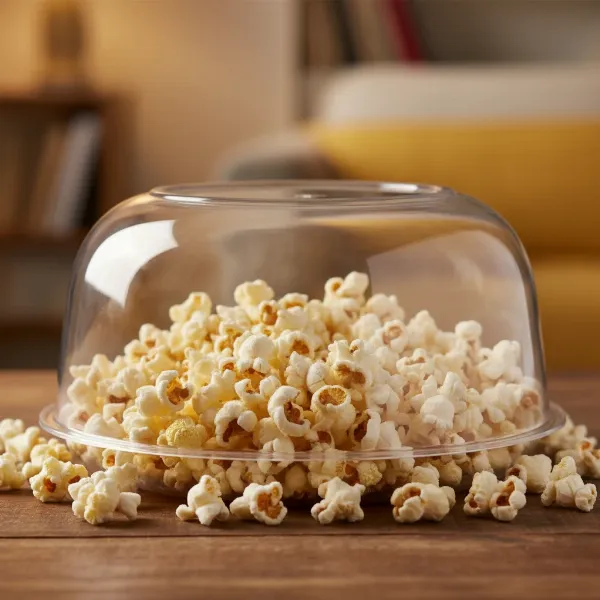
As an expert who has spent over a decade perfecting the art of popcorn making, I can tell you that the secret to consistently perfect popcorn isn’t just in the popping—it starts long before, with how you store your unpopped kernels. Many believe popcorn kernels have an infinite shelf life, but that’s a misconception that can lead to disappointing batches. The truth is, proper storage is paramount to preserving their delicate moisture content, which is the very key to that satisfying pop. This guide will walk you through everything you need to know to keep your kernels in pristine condition, ensuring every movie night or snack time is a resounding success.
Understanding Why Proper Kernel Storage Matters
At the heart of every popcorn kernel is a tiny droplet of water, perfectly sealed within a hard shell. When heated, this water turns into steam, building immense pressure until the kernel explodes, turning inside out into a fluffy, delicious snack. This process relies on a precise moisture content, ideally between 13-14%. If kernels lose too much moisture, they become “old maids”—those frustrating unpopped bits at the bottom of the bowl.
Beyond just the moisture, popcorn kernels contain natural oils that can go rancid over time, especially when exposed to air, light, and heat. Rancid oils not only impart an unpleasant taste but can also affect the overall quality of your snack. Therefore, maintaining the right environment for your kernels is not just about popping success; it’s about flavor and freshness.
The Ideal Environment for Your Popcorn Kernels
To safeguard your kernels’ optimal moisture and prevent rancidity, they thrive in a very specific environment: cool, dry, and dark.
Temperature and Humidity
|
Our Picks for the Best Popcorn maker in 2026
As an Amazon Associate I earn from qualifying purchases.
|
||
| Num | Product | Action |
|---|---|---|
| 1 | Dash Fresh Pop Popcorn Maker - Oil-Free, Air Popcorn Popper - With Measuring Cup & Recipe Guide - Perfect for Movie Nights - 16 Cups, White |

|
| 2 | Original Whirley Pop Popcorn Maker - Wabash Valley Farms Gourmet Popcorn Popper, Aluminum Pot With Nylon Gears, 3-Minute Stove Top Popper, Home Movie Night (Silver) |
|
| 3 | Dash Fresh Pop Popcorn Maker - Oil-Free, Air Popcorn Popper - With Measuring Cup & Recipe Guide - Perfect for Movie Nights - 16 Cups, Aqua |
|
| 4 | Presto 04863 Poplite Hot Air Popcorn Popper - Built-In Measuring Cup + Melts Butter, Easy to Clean, Built-In Cord Wrap, 18 Cups, Red |
|
| 5 | VEVOR Commercial Popcorn Machine, 8 Oz Kettle, 850 W Countertop Popcorn Maker for 48 Cups per Batch, Theater Style Popper with 3-Switch Control Steel Frame Tempered Glass Doors 2 Scoops 2 Spoons, Red |
|
| 6 | Dash Fresh Pop Popcorn Maker - Oil-Free, Air Popcorn Popper - With Measuring Cup & Recipe Guide - Perfect for Movie Nights - 16 Cups, Red |
|
| 7 | Black Vintage Commercial Popcorn Machine with Cart & Warmer Light - 12oz Stainless Steel Popper Makes 60 Cups for Theater, Parties & Home Use |
|
| 8 | West Bend Stir Crazy Hot Oil Popcorn Popper, Popcorn Maker Machine with Large Serving Bowl Lid and Stirring Rod Perfect for Movie Night Snack Time or Parties, 6-Quart, Red |
|
| 9 | Hot Air Popper Popcorn Maker, 1200W Popcorn Machine, 4.5-Quart Air Popper for Family Movie Nights, Popcorn Popper, Fast 2-Min Popcorn Maker Machine, Popcorn Popper |
|
| 10 |
|
|
The sweet spot for storing unpopped kernels is typically between 50°F and 75°F (10°C to 24°C). Fluctuating temperatures can cause condensation and moisture loss, both detrimental to popping quality. More importantly, high humidity is the enemy of fresh kernels. Moisture in the air can infiltrate even seemingly sealed containers, leading to soggy, unpoppable kernels.
Light and Heat
Direct sunlight and any sources of heat are significant threats. UV rays can degrade the quality of the kernels and accelerate the rancidification of their natural oils. Similarly, storing kernels near heat-emitting appliances like ovens, stovetops, or even refrigerators (which generate heat from their motors) can prematurely dry them out and reduce their viability. A cool, dark pantry or cupboard, away from appliances and windows, is often the best choice. For those with a dedicated cool, dry basement, this can also be an excellent long-term storage location.
Choosing the Right Storage Container
The container you choose plays a critical role in sealing in freshness and protecting your kernels from environmental damage. Airtight is the non-negotiable keyword here.
Glass Jars
- Mason Jars or French Canning Jars: These are often considered the gold standard. Their thick glass construction provides an excellent barrier against air and moisture, and their tight-sealing lids ensure minimal exposure. Glass also doesn’t absorb odors or flavors, keeping your kernels pure.
- Visibility: While transparent, they should still be stored in a dark place to protect against light exposure.
Sturdy Plastic Containers
- Food-Grade with Airtight Seals: Look for containers specifically designed for food storage with robust, lockable lids. Ensure the plastic is BPA-free and doesn’t have any strong odors that could transfer to the kernels.
- Opacity: Opaque plastic containers can offer an additional layer of protection from light.
Vacuum-Sealed Bags
- Maximum Air Removal: For truly long-term storage, vacuum-sealing removes almost all oxygen, significantly extending shelf life and preventing moisture loss. This method is particularly effective if you’re buying kernels in bulk.
- Durability: Ensure the bags are thick and puncture-resistant to maintain their seal.
Why Original Packaging Often Falls Short
While manufacturers often provide resealable bags, these are frequently not truly airtight for the long haul. The seals can weaken, and the material may be permeable enough to allow gradual moisture and air exchange. Always transfer kernels from their original packaging to a more robust airtight container once opened.
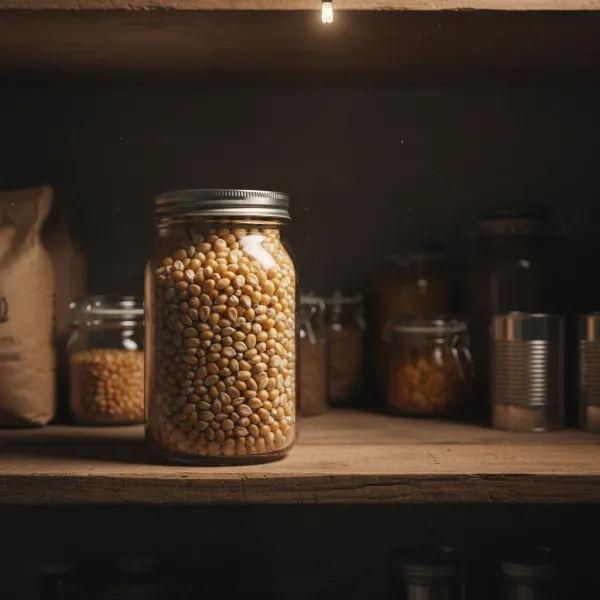 Popcorn kernels stored in an airtight glass jar in a cool, dark pantry.
Common Storage Mistakes to Avoid
Even with the best intentions, some common missteps can inadvertently compromise your popcorn kernels.
The Refrigerator and Freezer Fallacy
One of the most frequent questions I encounter is about refrigerating or freezing unpopped kernels. The short answer is: don’t.
- Refrigeration: While it might seem like a good idea for freshness, refrigeration introduces humidity. When you take the cold kernels out, condensation forms, adding unwanted moisture that can lead to soggy, poorly popped corn.
- Freezing: Freezing water expands. The tiny droplet of water inside each kernel could expand and potentially damage the kernel’s internal structure, compromising its ability to pop.
Leaving Bags Open
This might seem obvious, but forgetting to properly seal or transfer kernels after use is a sure fire way to accelerate moisture loss and exposure to air, rapidly diminishing their quality.
Storing Near Moisture Sources
Avoid placing your popcorn kernels in areas prone to humidity, such as directly above a dishwasher, next to a sink, or in damp basements without proper dehumidification.
How Long Do Kernels Stay Fresh?
When stored correctly, unpopped popcorn kernels can maintain their quality for a surprisingly long time. Generally, you can expect them to remain fresh and pop beautifully for 1 to 2 years. Some enthusiasts even report success extending this to 3 years under ideal conditions, especially with vacuum sealing. However, the fresher they are, the better the popping rate and flavor will typically be. Regularly check for signs of diminished quality after the first year.
Recognizing When Kernels Have Gone Bad
Even with perfect storage, kernels won’t last forever. Here’s how to tell if your popcorn has passed its prime:
- Poor Popping Rate: The most obvious sign is a significant increase in “old maids.” If a high percentage of kernels aren’t popping, they’ve likely lost too much moisture.
- Rancid Smell: Old kernels, especially if poorly stored, might develop an off-putting, slightly stale, or even oily smell. This indicates the oils have gone rancid.
- Visible Mold or Discoloration: Any signs of mold, unusual discoloration, or an unpleasant texture mean the kernels are definitely past their prime and should be discarded immediately.
Reviving Dried-Out Kernels
If your kernels aren’t popping as well as they used to but don’t show signs of rancidity or mold, they might just be a bit dehydrated. You can often bring them back to life with a simple trick:
- Add Moisture: For every quart of popcorn kernels, add about 1 tablespoon of water to the airtight container.
- Seal and Shake: Seal the container tightly and shake it daily for a few days to distribute the moisture evenly.
- Wait: Give the kernels time to reabsorb the water. After a week or so, try popping a small batch. You might be pleasantly surprised by the improvement!
However, remember this trick is for rehydration, not for reversing rancidity or mold. If the kernels smell off, it’s best to start fresh.
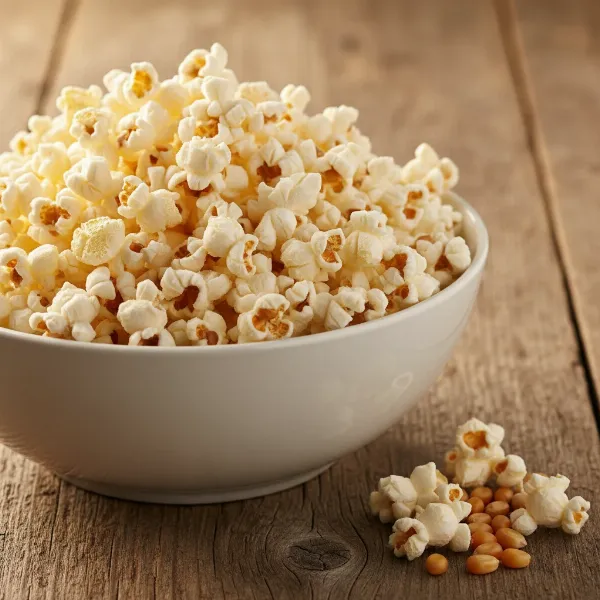 A bowl of fluffy, perfectly popped popcorn contrasted with a small pile of unpopped kernels.
Conclusion
Storing unpopped popcorn kernels properly is a fundamental step toward achieving perfectly popped, flavorful popcorn every time. By choosing airtight containers, maintaining a cool, dry, and dark storage environment, and avoiding common pitfalls like refrigeration, you can extend the life of your kernels for years. Remember, the journey to the perfect bowl of popcorn begins long before it hits the heat. Prioritize proper storage, and you’ll always be ready for a fresh, delicious batch. What’s your go-to method for keeping your kernels fresh?
Frequently Asked Questions
Can I put popcorn kernels in the fridge or freezer?
No, it’s generally not recommended. Refrigeration can introduce unwanted moisture through condensation, while freezing may damage the kernels’ internal structure due to water expansion, both of which can lead to poor popping results.
How can I tell if my popcorn kernels are too old?
Signs of old kernels include a high percentage of unpopped kernels (“old maids”), a stale or rancid smell, or visible mold. If they smell rancid or have mold, it’s best to discard them.
What is the best container for storing popcorn kernels?
Airtight containers are essential. Glass mason jars or French canning jars with tight-sealing lids are excellent choices, as are sturdy plastic containers with lockable seals or vacuum-sealed bags for long-term storage.
What is the ideal temperature for storing popcorn kernels?
Popcorn kernels are best stored in a cool, dry place, ideally between 50°F and 75°F (10°C to 24°C), away from direct sunlight and heat sources.
How long do unpopped popcorn kernels typically last?
When stored properly in an airtight container in a cool, dry, dark place, unpopped popcorn kernels can last for 1 to 2 years, and sometimes even up to 3 years.