There’s nothing quite like the sound and smell of popcorn popping away, promising a perfect movie night or a cozy afternoon snack. But once the last kernel has been devoured, a new question pops up: what’s the best way How To Store Popcorn Maker Safely? It seems simple, right? Just tuck it away in a cabinet. But proper storage is about more than just finding shelf space; it’s about protecting your investment, ensuring your next batch is as delicious as the last, and keeping your kitchen safe and tidy. Let’s dive into the art and science of putting your popcorn machine to bed, so it’s always ready for its next blockbuster performance.
Why Bother With a Popcorn Maker, Anyway?
Before we get into storage, let’s touch on why you made this brilliant choice in the first place. Microwave popcorn bags are convenient, sure, but they’re a world away from the real deal.
- Flavor Control: You are the master of your snack. Want to use heart-healthy coconut oil? Go for it. Feeling fancy with a drizzle of truffle oil? Nobody’s stopping you. You control the salt, the butter, and any wild seasoning you can dream up.
- Healthier Snacking: Those pre-packaged bags can be loaded with preservatives, trans fats, and chemicals you can’t even pronounce. With a popcorn maker, you know exactly what’s in your bowl. It’s just kernels, oil, and your chosen seasonings.
- Cost-Effective Fun: A big bag of kernels is incredibly cheap compared to buying individual microwave bags. Over time, your popcorn maker practically pays for itself.
- The Experience: Let’s be honest, watching and hearing the popcorn burst into life is half the fun! It turns a simple snack into an event.
Getting to Know Your Popping Partner: Common Types of Makers
Not all popcorn makers are created equal. Knowing what kind you have is the first step to understanding its specific storage needs.
| Type of Maker | How It Works | Best For | Storage Considerations |
|---|---|---|---|
| Hot Air Popper | Uses super-heated air to circulate and pop the kernels. No oil needed. | Health-conscious snackers who want a light, fluffy base for toppings. | Generally easy to clean. Main concern is dust getting into the popping chamber. |
| Stirring Oil Popper | An electric base heats oil, and a motorized stirring arm keeps kernels moving. | Cinema-style, rich-flavored popcorn. The classic movie theater taste. | Requires thorough cleaning to prevent rancid oil buildup. Most parts. |
| Stovetop Popper | A pot with a hand-cranked stirring mechanism, used on a stove. | Enthusiasts who love a hands-on approach and a nostalgic, robust flavor. | Needs to be completely cool and dry to prevent rust. Bulky shape. |
| Microwave Bowl | Usually a silicone or glass bowl with a vented lid for use in the microwave. | Simplicity, speed, and small-space living. Easy portion control. | Can retain odors if not washed well. Silicone can be floppy to store. |
|
Our Picks for the Best Popcorn Maker in 2025
As an Amazon Associate, we earn from qualifying purchases.
|
||
| Num | Product | Action |
|---|---|---|
| 1 | DASH Hot Air Popcorn Popper Maker with Measuring Cup to Portion Popping Corn Kernels + Melt Butter, 16 Cups - Aqua |

|
| 2 | Ecolution Patented Micro-Pop Microwave Popcorn Popper with Temperature Safe Glass, 3-in-1 Lid Measures Kernels and Melts Butter, Made Without BPA, Dishwasher Safe, 3-Quart, Red |
|
| 3 | West Bend Stir Crazy Hot Oil Popcorn Popper, Popcorn Maker Machine with Large Serving Bowl Lid and Stirring Rod Perfect for Movie Night Snack Time or Parties, 6-Quart, Red |
|
| 4 | DASH Hot Air Popcorn Popper Maker with Measuring Cup to Portion Popping Corn Kernels + Melt Butter, 16 Cups - Red |
|
| 5 | Air Popper Popcorn Maker, 1200W Fast Making Electric Popcorn Machine with Measuring Cup and On/Off Switch, BPA Free, Oil-Free, ETL Certified 90% High Popping Rate Popcorn Popper for Home, Party, Movie |
|
| 6 | Elite Gourmet EPM330M Automatic Stirring 12-cup Popcorn Maker Popper, Hot Oil Popcorn Machine w/Measuring Cap & Built-in Reversible Serving Bowl, Great for Home Party Kids, Safety ETL Approved, Mint |
|
| 7 | West Bend Stir Crazy Movie Theater Popcorn Popper, Gourmet Popcorn Maker Machine with Nonstick Popcorn Kettle, Measuring Tool and Popcorn Scoop for Popcorn Machine, 4-Qt., Red |
|
| 8 | Popcorn Machine – 800W Electric Hot Oil Popcorn Maker with Non-Stick Plate, Lid & Stirrer – Large 24-Cup Popper for Home, Parties, Movie Night – Butter, Sugar & Spice Compatible (Red) |
|
| 9 | Presto 04820 Poplite Hot Air Popcorn Popper - Built-In Measuring Cup + Melts Butter, Easy to Clean, Built-In Cord Wrap, 18 Cups, Yellow |
|
| 10 | DASH SmartStore™ Deluxe Stirring Popcorn Maker, Hot Oil Electric Popcorn Machine with Large Lid for Serving Bowl and Convenient Storage, 24 Cups – Aqua |
|
The Nitty-Gritty: How to Store Popcorn Maker Safely Step-by-Step
Alright, the show’s over, the credits have rolled, and the bowl is empty. Now what? Following these steps doesn’t just keep your machine safe; it dramatically extends its lifespan.
Step 1: The Cool-Down is Non-Negotiable
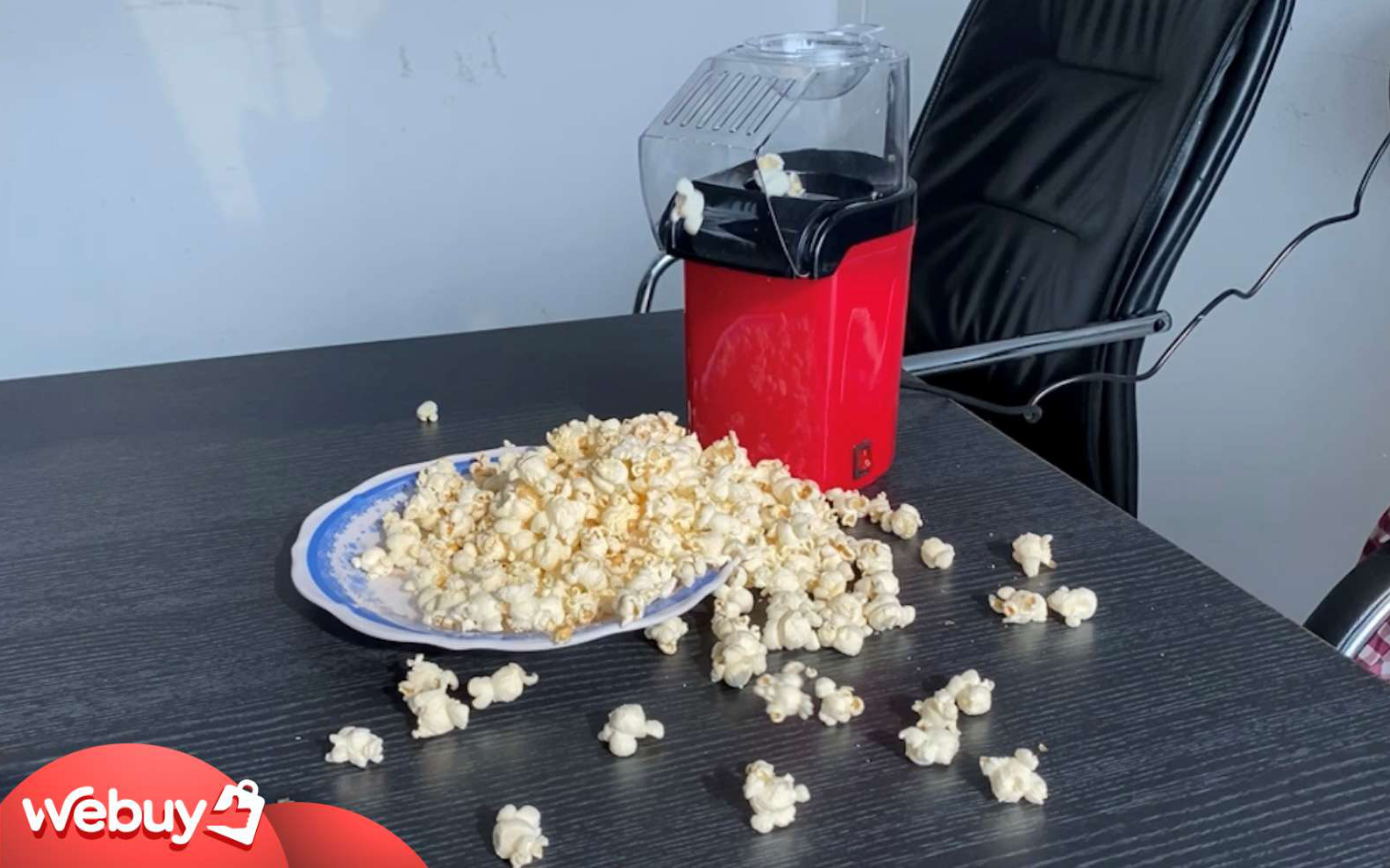
This sounds obvious, but you’d be surprised how many people get impatient. Never attempt to clean or store a popcorn maker while it’s still hot. Not only is it a serious burn risk, but a sudden temperature change (like running cool water over a hot plate) can damage or even crack components.
- Pro Tip: Unplug the machine and let it sit on the counter for at least 30-45 minutes. Give it time to cool down naturally.
Step 2: A Thorough Clean is Your Best Friend
This is the most critical step for safe storage. Leftover oil and kernel debris are a bad combination. Oil can turn rancid, creating nasty odors and flavors, while food scraps can attract unwanted kitchen pests.
- Empty It Out: First, make sure every last kernel and piece of popcorn is removed. Turn it upside down over a bin and give it a gentle shake.
- Disassemble (If Applicable): Remove any detachable parts, like the lid, stirring arm, or butter-melting tray.
- Wipe the Base: For electric models, the base unit should never be submerged in water. Use a damp cloth with a tiny bit of dish soap to wipe down the interior and exterior of the heating plate. Use a clean, damp cloth to “rinse” it.
- Wash Removable Parts: Wash all the other parts in warm, soapy water. Most are dishwasher-safe (check your manual!), but hand-washing is often gentler and more thorough.
- Tackle Stubborn Grease: If you’ve got caked-on oil, a paste of baking soda and water can work wonders. Apply it, let it sit for 15 minutes, and then gently scrub with a non-abrasive sponge.
“The biggest mistake people make is ‘saving the cleaning for later.’ Old oil doesn’t just smell bad; its chemical structure breaks down, and it can become sticky and almost impossible to remove, potentially damaging the non-stick surface of your popper.” – Dr. Amelia Thorne, Food Scientist
Step 3: Dry, Dry, and Dry Again
Moisture is the enemy. It can lead to mold, mildew, or rust on metal components.
- After washing, either let the parts air-dry completely on a dish rack or, for a faster result, dry them meticulously with a soft, clean towel.
- Pay special attention to nooks and crannies where water can hide.
Step 4: Master Your Cord Management
A tangled, messy cord is not only an eyesore but also a hazard. It can get caught on other items, potentially pulling your popcorn maker off a shelf. Over time, tightly wrapping a cord around the machine can also cause damage to the internal wires.
- Loosely coil the cord.
- Use a twist-tie, a Velcro strap, or the built-in cord wrap (if your model has one) to keep it neat.
Step 5: Find the Perfect Storage Spot
Where you store your popcorn maker matters just as much as how you prepare it for storage. The ideal home for your popper is:
- Cool and Dry: A kitchen cabinet or a pantry is perfect. Avoid storing it above the stove or oven, where heat and steam can rise. Basements can be too damp unless they are well-finished and climate-controlled.
- Dust-Free: If you’re storing it on an open shelf, consider placing it back in its original box or covering it with a clean cloth to prevent dust from settling in the popping chamber.
- Stable and Secure: Make sure it’s on a flat, stable surface where it won’t be easily knocked over, especially if you have kids or pets.
Popcorn Perfection: Bonus Tips for Your Next Batch
Now that you know how to care for your machine, let’s make sure the popcorn it produces is top-tier.
- Kernel Choice: There are two main types. Butterfly (or snowflake) kernels are large and irregular, perfect for catching butter. Mushroom kernels are dense and round, ideal for candy coatings or caramel corn as they don’t break as easily.
- The Right Oil: Use an oil with a high smoke point, like coconut, canola, or grapeseed oil. It prevents a burnt taste.
- Don’t Overcrowd: Use the amount of kernels recommended in your manual. Too many kernels won’t leave enough room for popping, leading to a bunch of un-popped “old maids.”
Frequently Asked Questions (FAQ)
What’s the best way to clean a hot air popper?
For a hot air popper, cleaning is simple. Let it cool completely. Then, wipe the inside of the popping chamber with a dry paper towel or a soft, dry cloth to remove any residual oils or bits. Wash the lid and butter tray in warm, soapy water.
Can I store my popcorn maker outside or in a garage?
It’s not recommended. Garages and sheds often have extreme temperature fluctuations and higher humidity, which can damage the electrical components and encourage rust or mold. Always opt for a stable, indoor environment.
My popcorn maker smells like stale oil even after cleaning. What can I do?
To neutralize odors, try this: after cleaning, wipe the interior with a cloth lightly dampened with white vinegar. Let it air out completely. Alternatively, placing a small, open box of baking soda inside the popper during storage can help absorb lingering smells.
Is it safe to store other items inside the popcorn maker?
It’s best to avoid this. While it seems like a clever way to save space, storing the cord or other accessories inside can scratch the non-stick surface or block vents. Keep all parts separate or stored as the manufacturer intended.
How should I store leftover popcorn kernels?
Store your kernels in an airtight container in a cool, dark place like a pantry. Do not store them in the refrigerator or freezer! The cold, dry air will dry out the internal moisture that is essential for the kernels to pop properly.
Your Ticket to Endless Delicious Nights
Your popcorn maker is more than just an appliance; it’s a machine of joy, a centerpiece for family gatherings, and your trusty partner for cinematic adventures. By taking a few extra minutes to clean and care for it, you’re ensuring it stays in prime condition. Knowing how to store popcorn maker safely and correctly means you’re always just a few minutes away from a perfect, fluffy, and delicious bowl of popcorn. Now, what movie are we watching tonight?