There’s nothing quite like a bowl of warm, perfectly coated cheese popcorn, each kernel blanketed in savory goodness. But achieving that ideal stickiness, where every piece is loaded with cheesy flavor and not just a pile of powdery disappointment at the bottom of the bowl, can feel like a culinary quest. If you’ve ever wondered how to replicate that movie-theater magic or elevate your homemade snack, you’re in the right place. This guide will walk you through the essential techniques and tips to ensure your cheese sticks flawlessly to every fluffy popcorn kernel, turning your ordinary snack time into an extraordinary cheesy experience, regardless of the popcorn maker you use.
Essential Methods for Achieving Sticky Cheese Popcorn
Creating cheese popcorn that truly sticks involves understanding the science behind adhesion and applying the right techniques. The primary goal is to create a binding layer that allows the cheese to cling to the popcorn’s surface.
The Powdered Cheese Method: For Ultimate Adhesion
|
Our Picks for the Best Popcorn maker in 2026
As an Amazon Associate I earn from qualifying purchases.
|
||
| Num | Product | Action |
|---|---|---|
| 1 | Presto 04863 Poplite Hot Air Popcorn Popper - Built-In Measuring Cup + Melts Butter, Easy to Clean, Built-In Cord Wrap, 18 Cups, Red |

|
| 2 | Original Whirley Pop Popcorn Maker - Wabash Valley Farms Gourmet Popcorn Popper, Aluminum Pot With Nylon Gears, 3-Minute Stove Top Popper, Home Movie Night (Silver) |
|
| 3 | Hot Air Popper Popcorn Maker, 1200W Popcorn Machine, 4.5-Quart Air Popper for Family Movie Nights, Popcorn Popper, Fast 2-Min Popcorn Maker Machine, Popcorn Popper |
|
| 4 | Dash Fresh Pop Popcorn Maker - Oil-Free, Air Popcorn Popper - With Measuring Cup & Recipe Guide - Perfect for Movie Nights - 16 Cups, Aqua |
|
| 5 | Dash SmartStore Deluxe Stirring Popcorn Maker - Hot Oil Electric Popcorn Popper with Butter-Warming Tray, Clear Serving Bowl, Storage Lid & Measuring Cup - 24 Cups, Red |
|
| 6 | VEVOR Commercial Popcorn Machine, 8 Oz Kettle, 850 W Countertop Popcorn Maker for 48 Cups per Batch, Theater Style Popper with 3-Switch Control Steel Frame Tempered Glass Doors 2 Scoops 2 Spoons, Red |
|
| 7 | Dash Fresh Pop Popcorn Maker - Oil-Free, Air Popcorn Popper - With Measuring Cup & Recipe Guide - Perfect for Movie Nights - 16 Cups, White |
|
| 8 | Dash Fresh Pop Popcorn Maker - Oil-Free, Air Popcorn Popper - With Measuring Cup & Recipe Guide - Perfect for Movie Nights - 16 Cups, Red |
|
| 9 | West Bend Stir Crazy Hot Oil Popcorn Popper, Popcorn Maker Machine with Large Serving Bowl Lid and Stirring Rod Perfect for Movie Night Snack Time or Parties, 6-Quart, Red |
|
| 10 | Black Vintage Commercial Popcorn Machine with Cart & Warmer Light - 12oz Stainless Steel Popper Makes 60 Cups for Theater, Parties & Home Use |
|
This is often the most reliable method for achieving consistent and robust cheese coverage. The key lies in creating an even, tacky surface before introducing the powdered cheese. You’ll need freshly popped popcorn, melted butter (or a neutral oil), and your favorite powdered cheese. The process involves drizzling a small amount of melted butter over the warm popcorn, tossing to coat, then immediately sprinkling half of your cheese powder. Toss again, then repeat with the remaining butter and cheese. This batch-wise application ensures every kernel receives its share of both the binding agent and the flavor. Using a large bowl or, even better, a large Ziploc bag allows for vigorous shaking, which is crucial for even distribution.
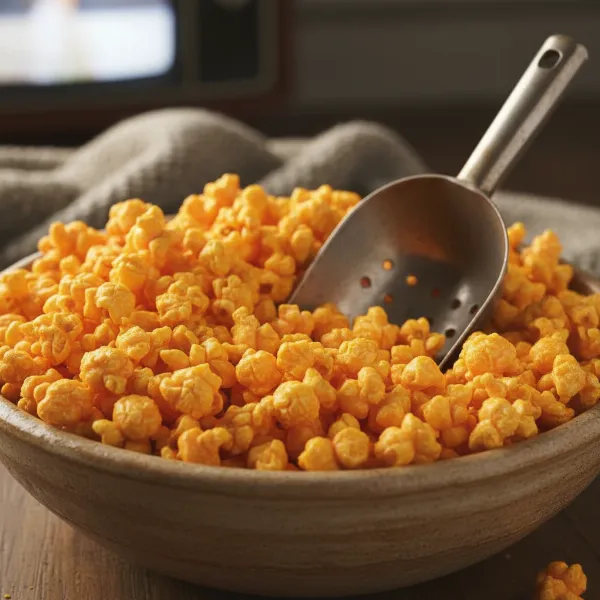 A bowl of perfectly coated cheese popcorn with a spoon, highlighting the even cheese distribution.
The Real Cheese Method: A Gourmet Approach
For those who prefer the authentic, nuanced flavor of real cheese, this method can deliver delicious results, though it requires a slightly different approach to ensure stickiness. The critical factor here is the texture of the cheese: it must be very finely grated. Using a microplane zester to achieve a light, airy pile of cheese like snow is ideal. Similar to the powdered method, you’ll start with a thin coating of melted butter over warm popcorn. Then, generously sprinkle the finely grated cheese and toss gently. For maximum stick, you can then spread the cheesy popcorn on a baking sheet and briefly broil it on low for 2-3 minutes, watching carefully until the cheese melts and adheres. This light toasting deepens the flavor and creates an unforgettably gooey texture.
The Butter-First Approach: The Foundation of Stickiness
No matter which type of cheese you’re using, the fundamental secret to making cheese stick to popcorn is a binding agent—and that agent is almost always fat, most commonly melted butter. Popcorn straight from an air popper is dry and smooth, offering little for cheese powder to cling to. Even oil-popped popcorn benefits from an additional layer of melted butter. This fat creates a slightly sticky, textured surface that acts as the perfect canvas for your cheese. Without this crucial first step, you’re likely to end up with a sad pile of cheese powder at the bottom of your bowl.
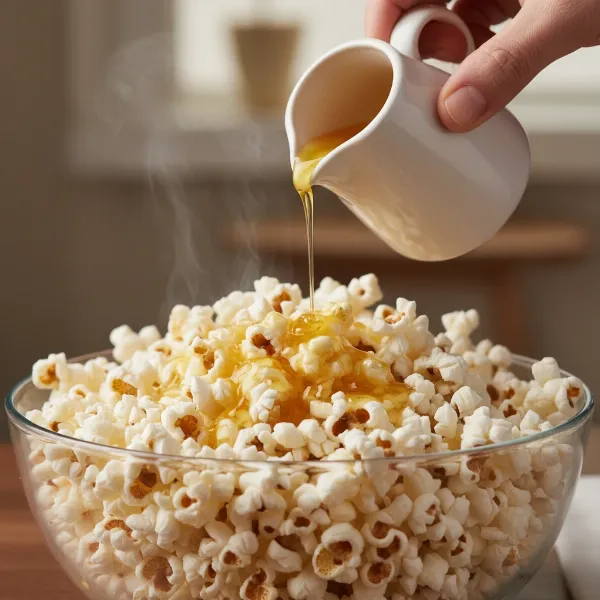 Melted butter being drizzled over warm popcorn kernels in a large bowl before cheese application.
Popcorn Preparation: Setting the Stage for Perfect Cheese Adhesion
The way your popcorn is popped can influence how well the cheese adheres, mainly due to the initial fat content.
Air-Popped Popcorn: The Light Canvas
Air-popped popcorn is known for being light, fluffy, and virtually fat-free. While great for health-conscious snacking, its dry surface means it requires a generous application of melted butter or oil to provide the necessary “glue” for the cheese to stick effectively. You’ll likely need the full recommended amount of butter (or alternative oil) to achieve excellent coverage.
Oil-Popped Popcorn: A Natural Head Start
When popcorn is popped in oil (such as with a stovetop Popcorn Maker or a dedicated oil popper), it already has a thin, natural coating of fat. This gives it a slight advantage over air-popped corn when it comes to cheese adhesion. You might find you need slightly less additional melted butter, but a light drizzle is still highly recommended to ensure maximum stickiness and flavor distribution for your cheese.
Microwave Popcorn: Convenience with a Twist
Microwave popcorn often comes pre-buttered or flavored. If you’re using plain microwave popcorn, treat it like air-popped corn and add your own melted butter. If it’s already “butter-flavored,” be mindful of the existing fat and salt content. You may need less additional butter, and adjust your cheese and salt accordingly to prevent an overly rich or salty snack. Ensure it’s still warm when you apply the cheese.
Key Factors for Selecting Your Cheese and Seasoning
The type of cheese you choose and how you prepare it plays a pivotal role in both flavor and stickiness.
Choosing the Right Cheese Type
- Powdered Cheese: This is the undisputed champion for stickiness. Commercial cheese powders (like cheddar, white cheddar, or even the packets from boxed macaroni and cheese) are designed to coat evenly and dissolve into a buttery film, adhering beautifully.
- Real Cheese: While delicious, real cheese requires more finesse. Sharp cheddar is a popular choice for its robust flavor. Parmesan, finely grated, can also work well, offering a saltier, umami punch. Avoid soft, high-moisture cheeses, as they tend to clump rather than stick evenly.
The Power of Fine Grating (for real cheese)
If you opt for real cheese, a microplane or the smallest holes on a box grater are your best friends. The finer the grate, the more surface area the cheese has to melt and adhere to the popcorn. Coarsely grated cheese will mostly fall off or create large, uneven clumps.
Enhancing Flavor Beyond Just Cheese
Don’t stop at just cheese! Once you have the butter base and cheese sticking, consider other flavor enhancements. A pinch of garlic powder, onion powder, smoked paprika, or even a tiny dash of cayenne pepper can elevate your cheesy popcorn to gourmet status. These fine powders will also stick well to the buttery base.
Comparison: Powdered Cheese vs. Real Cheese Popcorn
Choosing between powdered and real cheese methods depends on your priorities for taste, texture, and effort.
| Feature | Powdered Cheese Method | Real Grated Cheese Method |
|---|---|---|
| Stickiness | Excellent | Good (with proper technique) |
| Flavor | Intense, consistent | Authentic, often sharper |
| Texture | Uniformly coated | Potentially clumpier |
| Effort | Low | Moderate |
| Equipment | Large bowl/bag, sifter | Microplane, baking sheet/oven |
| Best for | Classic movie theater style | Gourmet, richer flavor |
Tips for Success and Troubleshooting Common Issues
Even with the right ingredients and methods, a few extra tips can ensure your cheesy popcorn is always a hit.
The Importance of Warm Popcorn
Always apply butter and cheese to warm popcorn. The residual heat helps melt the butter and allows the cheese (especially powdered) to dissolve and adhere more effectively. If your popcorn has cooled, a quick 10-20 second warm-up in the microwave can work wonders.
Application Techniques (Batches, Shaking, Sifting)
- Batches: As mentioned, applying butter and cheese in small increments, tossing thoroughly after each, is key to even coating.
- Shaking: A large brown paper bag or a two-gallon Ziploc bag is excellent for shaking popcorn vigorously, ensuring all surfaces are coated without crushing the kernels. Alternatively, use a very large mixing bowl and toss with tongs or a spatula.
- Sifting: For powdered cheese, a fine-mesh sieve or sifter can help distribute the powder very evenly, preventing clumps and ensuring every kernel gets a dusting.
Preventing Soggy Popcorn
While butter is essential, too much can lead to soggy popcorn. Start with a conservative amount and add more only if needed. Clarified butter (ghee) can be a good option as it has less water content, reducing the risk of sogginess. Also, ensure your popcorn is fresh and crispy before adding any toppings.
Storage Tips
Cheesy popcorn is best enjoyed fresh. If you have leftovers, store them in an airtight container at room temperature for up to a day. The cheese may soften slightly over time, but the flavor will remain.
Common Mistakes When Making Sticky Cheese Popcorn
Avoiding these pitfalls will significantly improve your cheesy popcorn game:
- Adding cheese to dry popcorn: This is the most common mistake. Without a fat binder, the cheese will simply fall to the bottom of the bowl.
- Using too much butter at once: Drowning your popcorn in butter can make it soggy and prevent the cheese from sticking properly to the kernels, leading to a greasy mess.
- Not tossing enough: Insufficient tossing results in unevenly coated popcorn, with some kernels bare and others clumped together with cheese.
- Using cold popcorn: Cold popcorn doesn’t absorb the butter or allow the cheese to melt and adhere as effectively.
- Using coarsely grated real cheese: Large shreds of real cheese won’t melt evenly or cling well, leading to a sparse and clumpy coating.
Conclusion
Creating perfectly sticky and delicious cheese popcorn is a simple pleasure that’s well within your reach. The secret lies in a few fundamental techniques: using melted fat as a binding agent, applying cheese in batches, and tossing thoroughly. Whether you opt for the robust consistency of powdered cheese or the gourmet appeal of finely grated real cheese, understanding these principles will empower you to craft a snack that rivals any cinema treat. So go ahead, experiment with different cheeses and seasonings, and find your signature cheesy popcorn recipe. What new cheesy creations will you embark on for your next movie night?
Frequently Asked Questions
Can I make cheese popcorn without butter?
Yes, you can substitute melted butter with other oils like coconut oil, olive oil, or even a neutral vegetable oil. These fats will also help the cheese powder adhere to the popcorn. However, butter often provides the richest flavor.
How long does homemade cheese popcorn stay fresh?
Homemade cheese popcorn is best enjoyed immediately after preparation for optimal crispiness and flavor. If stored in an airtight container at room temperature, it typically remains fresh for up up to 24-48 hours, though it may lose some of its crispness.
What’s the best cheese powder to use?
For the best stickiness and classic flavor, many recommend using commercial cheddar cheese powder, often found in the spice aisle or specialty food stores. Alternatively, the cheese powder packets from boxed macaroni and cheese are a popular and effective choice for a familiar, savory taste.