There’s nothing quite like the aroma of freshly popped popcorn, a staple of movie nights, carnivals, and concession stands. But behind every perfect batch is a well-maintained popcorn machine, and at its heart lies the kettle – the workhorse that transforms kernels into golden deliciousness. Over time, residual oil, butter, and burnt kernel bits can accumulate, not only affecting the taste and quality of your popcorn but also the efficiency and lifespan of your machine. Regular, thorough cleaning of your theater-style popcorn machine kettle isn’t just a chore; it’s a commitment to consistent quality and operational longevity. Ready to bring back that sparkling shine and optimal performance? Let’s dive into how you can effectively clean your popcorn machine kettle, ensuring every pop is as perfect as the first.
Understanding Your Theater-Style Popcorn Machine Kettle
Theater-style popcorn machines feature a robust kettle designed for high-volume popping, typically made from stainless steel or aluminum with a heating element. This kettle is where the magic happens: oil heats, kernels expand, and delicious popcorn emerges. Its sturdy construction allows for rapid heating and even cooking, crucial for producing large quantities quickly. However, this high-heat environment, combined with popping oil and popcorn residue, makes it highly susceptible to buildup, ranging from sticky oil films to hard, burnt-on carbon. Understanding its design emphasizes why targeted cleaning is vital – you can’t just throw it in the dishwasher!
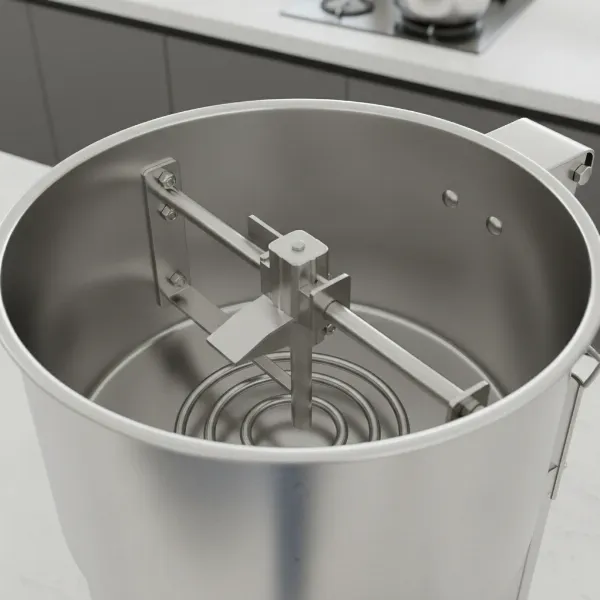 A clean, shiny stainless steel popcorn machine kettle with a heating element.
When and Why to Clean Your Popcorn Kettle
How often should you clean your popcorn machine kettle? For optimal performance and hygiene, a quick clean after each use is ideal, especially for high-volume operations. This daily maintenance prevents fresh residue from hardening. A deep clean, on the other hand, should be performed weekly or bi-weekly, depending on usage, to tackle more stubborn grease and burnt-on carbon that can accumulate despite daily efforts. Regular cleaning prevents off-flavors, ensures even heat distribution, reduces the risk of smoke and fire hazards, and extends the life of your valuable equipment. Neglecting the kettle can lead to poor-tasting popcorn, inefficient heating, and eventually, costly repairs.
Essential Cleaning Supplies
Before you begin, gather your arsenal of cleaning tools. Having everything at hand makes the process smoother and more efficient.
Here’s what you’ll typically need:
- Rubber Gloves and Safety Goggles: Essential for protecting your hands and eyes, especially when dealing with hot water or strong cleaning solutions.
- Soft Cloths or Sponges: Non-abrasive options are crucial to avoid scratching the kettle’s surface. Microfiber cloths are excellent.
- Nylon Scrubber or Soft-Bristled Brush: For gently tackling stuck-on bits without damaging the kettle.
- Mild Dish Soap: A grease-cutting formula works best for daily grime.
- Warm Water: The universal solvent for most cleaning tasks.
- Specialized Popcorn Kettle Cleaner (e.g., Gold Medal’s Heat ‘n Kleen): Highly recommended for commercial machines and stubborn carbon buildup, these cleaners are formulated to safely dissolve oil and sugar residues.
- White Vinegar: A natural degreaser and deodorizer, useful for light cleaning and tackling milder stains. Be cautious if your kettle has an oleophobic (oil-repelling) coating, as vinegar might strip it.
- Baking Soda: A mild abrasive for tougher spots when mixed into a paste.
- Empty Bucket or Container: For safely disposing of used cleaning solutions.
- Paper Towels: For drying and initial wiping.
Step-by-Step Guide to Cleaning Your Popcorn Kettle
Cleaning your theater-style popcorn kettle requires a methodical approach. Always prioritize safety and consult your machine’s manufacturer manual for specific instructions unique to your model.
1. Safety First: Prepare Your Machine
|
Our Picks for the Best Popcorn maker in 2026
As an Amazon Associate I earn from qualifying purchases.
|
||
| Num | Product | Action |
|---|---|---|
| 1 | Dash Fresh Pop Popcorn Maker - Oil-Free, Air Popcorn Popper - With Measuring Cup & Recipe Guide - Perfect for Movie Nights - 16 Cups, Red |

|
| 2 | VEVOR Commercial Popcorn Machine, 8 Oz Kettle, 850 W Countertop Popcorn Maker for 48 Cups per Batch, Theater Style Popper with 3-Switch Control Steel Frame Tempered Glass Doors 2 Scoops 2 Spoons, Red |
|
| 3 | Black Vintage Commercial Popcorn Machine with Cart & Warmer Light - 12oz Stainless Steel Popper Makes 60 Cups for Theater, Parties & Home Use |
|
| 4 | Hot Air Popper Popcorn Maker, 1200W Popcorn Machine, 4.5-Quart Air Popper for Family Movie Nights, Popcorn Popper, Fast 2-Min Popcorn Maker Machine, Popcorn Popper |
|
| 5 | Presto 04863 Poplite Hot Air Popcorn Popper - Built-In Measuring Cup + Melts Butter, Easy to Clean, Built-In Cord Wrap, 18 Cups, Red |
|
| 6 | Original Whirley Pop Popcorn Maker - Wabash Valley Farms Gourmet Popcorn Popper, Aluminum Pot With Nylon Gears, 3-Minute Stove Top Popper, Home Movie Night (Silver) |
|
| 7 | Dash SmartStore Deluxe Stirring Popcorn Maker - Hot Oil Electric Popcorn Popper with Butter-Warming Tray, Clear Serving Bowl, Storage Lid & Measuring Cup - 24 Cups, Red |
|
| 8 | Dash Fresh Pop Popcorn Maker - Oil-Free, Air Popcorn Popper - With Measuring Cup & Recipe Guide - Perfect for Movie Nights - 16 Cups, White |
|
| 9 | Dash Fresh Pop Popcorn Maker - Oil-Free, Air Popcorn Popper - With Measuring Cup & Recipe Guide - Perfect for Movie Nights - 16 Cups, Aqua |
|
| 10 | West Bend Stir Crazy Hot Oil Popcorn Popper, Popcorn Maker Machine with Large Serving Bowl Lid and Stirring Rod Perfect for Movie Night Snack Time or Parties, 6-Quart, Red |
|
Before touching anything, ensure the machine is completely cooled down, turned off, and unplugged from the electrical outlet. This is a non-negotiable step to prevent accidental burns or electrical shocks. Put on your rubber gloves and safety goggles.
2. Remove the Kettle
Carefully detach the kettle from its mounting brackets. Most theater-style machines allow for the kettle to be unhooked and removed from the main cabinet. Refer to your owner’s manual for precise instructions on how to safely do this for your specific model. Place the kettle in a sink or a designated cleaning area.
3. Initial Wipe-Down
Use paper towels to wipe out any loose kernels, unpopped popcorn, or excess oil from the inside of the kettle. This removes the bulk of the debris before you start scrubbing.
4. Apply Cleaning Solution (Daily/Light Cleaning)
For routine cleaning and light grease buildup, a simple solution works wonders. Dampen a soft cloth or sponge with warm water and a small amount of mild dish soap. Carefully scrub both the interior and exterior surfaces of the kettle, paying attention to areas with oil residue. Crucially, never submerge the entire kettle in water, as this can damage its electrical components and heating element.
5. Tackle Stubborn Stains with a Boil-Out Method (Deep Cleaning)
For burnt-on oil and carbon buildup, a “boil-out” method is often the most effective. This technique leverages heat and a specialized cleaner to loosen stubborn residues.
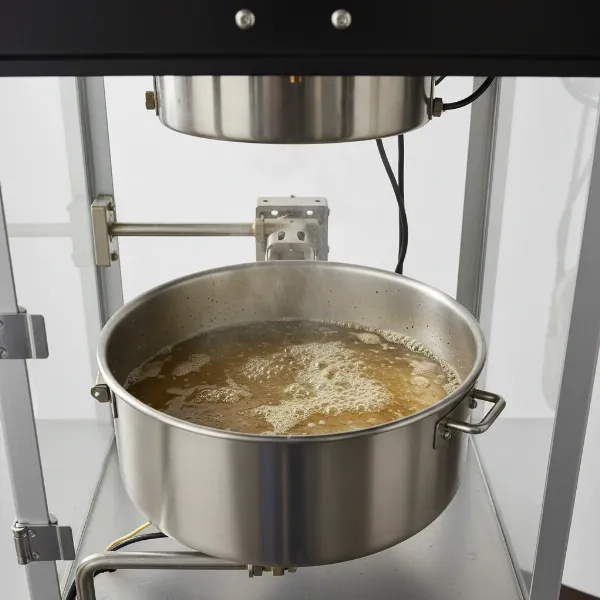 A popcorn machine kettle inside a machine with cleaning solution boiling to remove residue.
Here’s how to do it:
- Prepare the Kettle: Place the kettle back inside the popcorn machine, ensuring it’s securely attached.
- Add Cleaning Solution: Fill the kettle with water (typically 1-2 cups, or as directed by your cleaner’s instructions) and the recommended amount of specialized popcorn kettle cleaner. If using a homemade solution, a mixture of water and a few tablespoons of white vinegar or baking soda can be used, though specialized cleaners are more potent for heavy buildup.
- Heat and Boil: Turn on the kettle’s heat element (and stirrer, if applicable). Bring the solution to a boil and let it simmer for 5-15 minutes, allowing the steam and cleaner to penetrate and soften the burnt-on residue. You’ll often see the water darken as it lifts grime.
- Cool Down: Turn off the machine and unplug it. Allow the kettle and solution to cool completely. This is vital for safety and to prevent steam burns.
- Empty and Scrub: Once cool, carefully remove the kettle again. Pour out the cleaning solution into an empty bucket for proper disposal. Use your nylon scrubber or soft-bristled brush to gently scrub away the loosened carbon and grease. For exceptionally tough spots, a paste of baking soda and a little water can provide extra abrasive power. Some professional technicians might even suggest Bar Keepers Friend (powder) for stainless steel, used with patience, but always test a small, inconspicuous area first and scrub gently.
6. Rinse Thoroughly
After scrubbing, rinse the kettle thoroughly with clean, warm water using a separate clean, damp cloth or sponge. Ensure all traces of the cleaning solution are removed, especially on surfaces that come into contact with food. Repeat the rinsing process if necessary.
7. Dry Completely
Use clean towels or paper towels to thoroughly dry all parts of the kettle, both inside and out. Any remaining moisture can lead to rust or affect electrical components. Ensure everything is completely dry before reassembling.
8. Reassemble
Once dry, carefully reattach the kettle to its position in the popcorn machine, following your manufacturer’s instructions.
Dealing with Stubborn Stains and Burnt-On Residue
Some residues can be incredibly persistent. If the initial deep clean doesn’t entirely remove all buildup, don’t despair.
“For something as baked-on as severe carbonization, commercial degreasers like ‘Carbon Off’ can be incredibly effective. Just ensure proper ventilation and follow safety precautions rigorously.” – Popcornmakerpro.com Admin, Popcorn Machine Technician
- Repeat the Boil-Out: For very heavy buildup, repeating the boil-out method multiple times might be necessary. Patience is key.
- Specialized Degreasers: Products specifically designed for commercial kitchen grease and carbon, like “Carbon Off,” can be highly effective. Always read and follow the product’s instructions, use in a well-ventilated area, and wear appropriate personal protective equipment (gloves, goggles).
- Soaking: For difficult exterior buildup (away from electrical components), a short soak in a solution of hot water and a strong degreaser (if compatible with the kettle material) might help.
Maintenance Tips for a Long-Lasting Kettle
Preventative measures are always better than reactive cleaning. By incorporating these habits, you can significantly reduce the frequency and intensity of deep cleaning:
- Clean After Each Use: A quick wipe-down with warm, soapy water after each popping session goes a long way in preventing buildup.
- Use Quality Popping Oil: High-quality popcorn oils produce less residue and smoke, making cleaning easier.
- Don’t Overfill: Exceeding the kettle’s recommended capacity can lead to unpopped kernels and burnt oil sticking to the sides.
- Regular Inspections: Periodically inspect your kettle for any signs of wear, loose components, or excessive buildup that might indicate it’s time for a more thorough cleaning.
- Avoid Harsh Abrasives: While tough on stains, abrasive pads or steel wool can scratch the kettle’s surface, making it more prone to future sticking and buildup.
Common Mistakes to Avoid When Cleaning
Cleaning can sometimes inadvertently cause damage if done incorrectly. Be mindful of these common pitfalls:
- Submerging the Kettle: As repeatedly warned, never, under any circumstances, submerge the entire kettle in water. This will damage the electrical components and void your warranty.
- Using Abrasive Materials: Harsh scrubbers or cleaners containing strong acids or alkalis (unless specifically designed for popcorn kettles) can damage the kettle’s finish, leading to corrosion or making it harder to clean in the future.
- Not Unplugging the Machine: Attempting to clean a powered-on or warm machine is a significant safety hazard.
- Leaving Cleaning Solution Residue: Incomplete rinsing can leave behind chemical traces that could affect the taste of your popcorn or even be harmful.
- Forgetting to Dry: Leaving moisture on the kettle can lead to rust and potentially impact electrical components.
Conclusion
A clean popcorn machine kettle is the secret to consistently delicious, theater-quality popcorn. By following these detailed steps and incorporating regular maintenance into your routine, you can effectively tackle even the most stubborn burnt-on residue and grease. Remember to prioritize safety, choose the right cleaning solutions, and always handle your kettle with care. A well-maintained kettle not only ensures fantastic popcorn but also extends the life of your entire machine, protecting your investment. So, roll up your sleeves, grab your cleaning supplies, and get ready to enjoy perfectly popped kernels every single time. What’s your go-to movie snack to pair with fresh popcorn?
Frequently Asked Questions
What is the best solution for removing burnt oil from a popcorn kettle?
The best solution for removing stubborn burnt oil from a popcorn kettle is a specialized commercial popcorn kettle cleaner used with a boil-out method. Alternatively, a solution of water and baking soda or white vinegar can be effective for milder buildup, but always avoid harsh abrasives.
How often should a theater-style popcorn machine kettle be deep cleaned?
A theater-style popcorn machine kettle should ideally be deep cleaned weekly or bi-weekly, depending on usage volume. For very high-traffic environments, more frequent deep cleaning might be necessary, in addition to daily light cleaning.
Can I use oven cleaner on my popcorn machine kettle?
While oven cleaner is powerful, it is generally not recommended for popcorn machine kettles due to the harsh chemicals and the proximity to food surfaces. Specialized popcorn kettle cleaners or natural alternatives like baking soda and vinegar are safer and more appropriate options.
Is it safe to put my popcorn kettle in the dishwasher?
No, it is never safe to put your popcorn machine kettle in the dishwasher. The kettle contains electrical components and a heating element that can be severely damaged by submersion in water and the high temperatures and detergents of a dishwasher.
How do I prevent popcorn kettle from getting burnt-on residue?
To prevent burnt-on residue, consistently clean your kettle after each use with mild soap and water, avoid overfilling it with kernels or oil, and consider using high-quality popping oils that leave less residue. Regular, light cleaning is key to preventing buildup from hardening.