For many, the aroma of freshly popped popcorn is synonymous with cozy movie nights and fun gatherings. While the kernels themselves are the star, the oil you choose to pop them in plays a surprisingly critical role in determining both the taste and texture of your snack. It’s not just about getting the kernels to burst; it’s about achieving that perfect crispness, preventing burns, and infusing just the right flavor. When it comes to traditional popcorn machines, two oils consistently rise to the top of the discussion: coconut oil and canola oil. Each brings its own unique characteristics to the kettle, influencing everything from health aspects to the final buttery-sweet or neutral profile of your popcorn. Let’s explore which one might be the perfect fit for your popping needs.
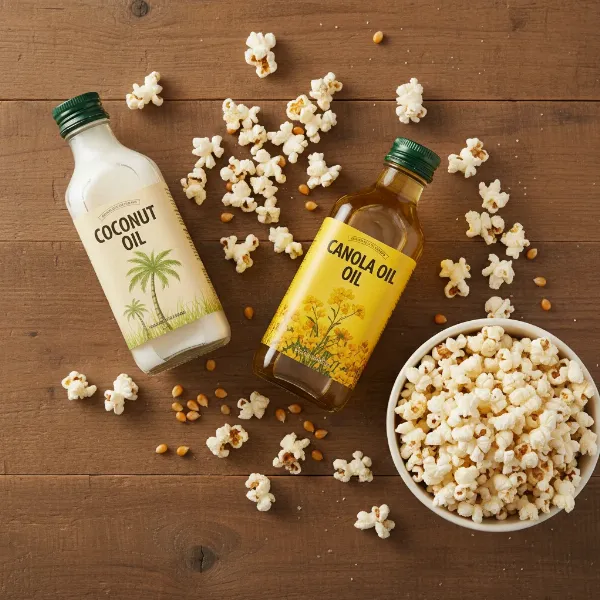 Illustration of two types of oils, coconut and canola, for making popcorn.
Coconut Oil: The Movie Theater Classic
Coconut oil often holds a nostalgic place as the go-to choice for replicating that quintessential movie theater popcorn experience. Its unique properties make it a favorite for many popcorn enthusiasts.
Flavor Profile: Buttery, Sweet, and Nutty
|
Our Picks for the Best Popcorn maker in 2026
As an Amazon Associate I earn from qualifying purchases.
|
||
| Num | Product | Action |
|---|---|---|
| 1 | VEVOR Commercial Popcorn Machine, 8 Oz Kettle, 850 W Countertop Popcorn Maker for 48 Cups per Batch, Theater Style Popper with 3-Switch Control Steel Frame Tempered Glass Doors 2 Scoops 2 Spoons, Red |

|
| 2 | Dash Fresh Pop Popcorn Maker - Oil-Free, Air Popcorn Popper - With Measuring Cup & Recipe Guide - Perfect for Movie Nights - 16 Cups, Red |
|
| 3 | Dash SmartStore Deluxe Stirring Popcorn Maker - Hot Oil Electric Popcorn Popper with Butter-Warming Tray, Clear Serving Bowl, Storage Lid & Measuring Cup - 24 Cups, Red |
|
| 4 | West Bend Stir Crazy Hot Oil Popcorn Popper, Popcorn Maker Machine with Large Serving Bowl Lid and Stirring Rod Perfect for Movie Night Snack Time or Parties, 6-Quart, Red |
|
| 5 | Original Whirley Pop Popcorn Maker - Wabash Valley Farms Gourmet Popcorn Popper, Aluminum Pot With Nylon Gears, 3-Minute Stove Top Popper, Home Movie Night (Silver) |
|
| 6 | Dash Fresh Pop Popcorn Maker - Oil-Free, Air Popcorn Popper - With Measuring Cup & Recipe Guide - Perfect for Movie Nights - 16 Cups, Aqua |
|
| 7 | Black Vintage Commercial Popcorn Machine with Cart & Warmer Light - 12oz Stainless Steel Popper Makes 60 Cups for Theater, Parties & Home Use |
|
| 8 | Dash Fresh Pop Popcorn Maker - Oil-Free, Air Popcorn Popper - With Measuring Cup & Recipe Guide - Perfect for Movie Nights - 16 Cups, White |
|
| 9 | Presto 04863 Poplite Hot Air Popcorn Popper - Built-In Measuring Cup + Melts Butter, Easy to Clean, Built-In Cord Wrap, 18 Cups, Red |
|
| 10 | Hot Air Popper Popcorn Maker, 1200W Popcorn Machine, 4.5-Quart Air Popper for Family Movie Nights, Popcorn Popper, Fast 2-Min Popcorn Maker Machine, Popcorn Popper |
|
One of coconut oil’s most compelling attributes is its ability to impart a distinctly rich, subtly sweet, and nutty flavor to popcorn. This natural sweetness enhances the overall snacking experience, making it a natural choice if you’re aiming for that classic cinema taste. Refined coconut oil offers a milder, more neutral profile, allowing other seasonings to shine, while unrefined (virgin) coconut oil will lend a more pronounced tropical, coconut aroma and taste.
Smoke Point and Popping Performance: High Heat Stability
Coconut oil boasts a commendably high smoke point, typically ranging between 350°F and 400°F (177°C and 204°C). This high heat tolerance is crucial for popping popcorn efficiently without burning the oil, which can otherwise result in an unpleasant bitter taste. Its stability at high temperatures contributes to excellent coating of the kernels, leading to uniform popping and a fluffy, crunchy texture. Commercial popcorn machines, which can reach even higher temperatures, often rely on coconut oil due to its ability to handle intense heat without easily oxidizing or “cracking.”
Health Aspects: A Debated Balance
Coconut oil is rich in Medium-Chain Triglycerides (MCTs), a type of saturated fat that is metabolized differently by the body compared to other fats. MCTs are often lauded for their potential to provide a quick source of energy, support brain function, and even aid in weight management by promoting satiety. Additionally, it contains lauric acid, which possesses antimicrobial properties.
However, it’s important to note that coconut oil is significantly higher in saturated fat (around 90%) than many other cooking oils, including canola oil. While some research suggests that the specific saturated fats in coconut oil may help raise HDL (good) cholesterol levels, the overall impact on heart health and LDL (bad) cholesterol remains a subject of ongoing debate among health experts. Many health organizations recommend limiting saturated fat intake.
Pros and Cons of Coconut Oil
- Pros: Classic movie theater flavor, high smoke point for even popping, contributes to fluffy and crunchy popcorn, contains beneficial MCTs, good shelf stability.
- Cons: Very high in saturated fat (health concerns for some), unrefined versions have a distinct coconut flavor that not everyone enjoys, can leave a sticky residue in machines, potentially more expensive.
Canola Oil: The Health-Conscious Neutral Choice
Canola oil presents itself as a versatile and often healthier alternative for popping popcorn, particularly for those who prefer a less dominant oil flavor or are mindful of their dietary fat intake.
Flavor Profile: Neutral, Allowing the Corn to Shine
One of canola oil’s primary advantages is its neutral taste. Unlike coconut oil, it doesn’t impart a distinct flavor to the popcorn, allowing the natural taste of the kernels and any added seasonings to take center stage. This makes it an excellent choice for a wide variety of popcorn flavor profiles, from simple salt and butter to more elaborate spice blends. However, some users occasionally report a “weird,” “tinny,” or even “fishy” aftertaste, particularly if lower quality canola oil is used or if it’s overheated.
Smoke Point and Popping Performance: Robust Heat Tolerance
Canola oil also boasts a high smoke point, typically ranging from 400°F to 475°F (204°C to 246°C). This makes it highly suitable for the high temperatures required for popping corn, ensuring that the oil won’t burn prematurely and ruin your snack. Its stability helps in achieving a consistent pop and a pleasant texture.
Health Aspects: A Heart-Friendly Option
Canola oil is often recognized for its favorable nutritional profile. It is notably low in saturated fat (around 7%) compared to coconut oil and is rich in healthier monounsaturated and polyunsaturated fats. It’s a significant source of Omega-3 fatty acids (specifically alpha-linolenic acid, ALA), Omega-6, and Omega-9 fatty acids, which are considered beneficial for heart health. Studies suggest that consuming canola oil can help reduce total cholesterol and LDL (bad) cholesterol levels, improve insulin sensitivity, and may contribute to a reduced risk of coronary heart disease. It also contains phytosterols, which can help reduce the absorption of dietary cholesterol.
However, canola oil is typically highly refined, a process that uses heat and chemicals to extract the oil, which some health-conscious individuals prefer to avoid as it can potentially reduce some nutrients. Additionally, while it contains healthy Omega-3s, it’s also high in Omega-6, and a very high ratio of Omega-6 to Omega-3 in the diet can be a concern for some, though canola oil still offers a better balance than many other common vegetable oils.
Pros and Cons of Canola Oil
- Pros: Neutral flavor, low in saturated fat, rich in healthy mono- and polyunsaturated fats (including Omega-3s), high smoke point, generally more affordable, easier cleanup due to lower viscosity.
- Cons: Highly refined (a concern for some), potential for an “off” taste if using low-quality oil or overheating, high in Omega-6s (though still provides Omega-3s).
Side-by-Side Comparison: Coconut vs. Canola
To help you decide, here’s a direct comparison of coconut and canola oil for your popcorn machine:
| Feature | Coconut Oil | Canola Oil |
|---|---|---|
| Flavor | Buttery, sweet, nutty (classic movie theater) | Neutral, allows corn flavor to shine (can be bland or have “off” taste for some) |
| Smoke Point | 350-400°F (Refined) | 400-475°F |
| Saturated Fat | Very High (approx. 90%) | Low (approx. 7%) |
| Unsaturated Fat | Low | High (rich in Omega-3, 6, 9) |
| Health Perception | Debated (MCTs vs. Saturated Fat) | Generally considered heart-healthy |
| Cost | Moderate to High | Generally Affordable |
| Cleanup | Can leave sticky residue | Easier cleanup, less residue |
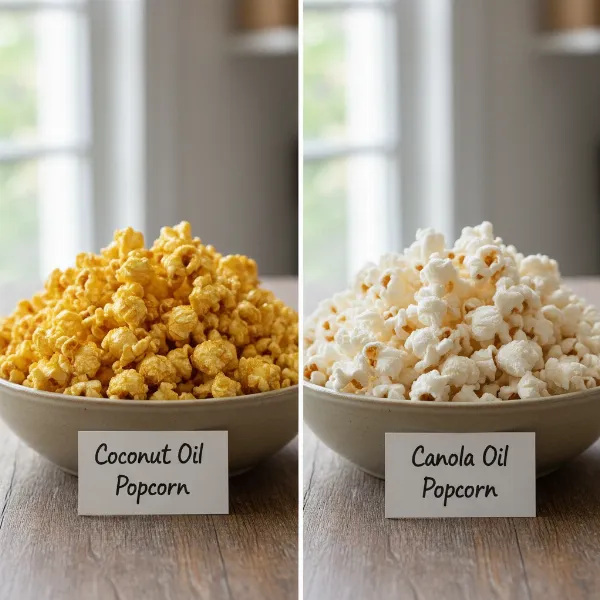 Two bowls of popped popcorn, one made with coconut oil, one with canola oil, showing visual differences.
Beyond the Basics: Other Popcorn Oil Options
While coconut and canola are popular, other oils can also yield delicious results, depending on your preferences:
- Peanut Oil: A favorite for its rich, slightly buttery flavor and high smoke point (around 450°F), often used to mimic commercial popcorn.
- Avocado Oil: Known for its exceptionally high smoke point (up to 500°F) and neutral flavor, it’s a healthy, albeit more expensive, option.
- Sunflower Oil: Offers a high smoke point (around 450°F) and a light, clean, and sometimes faintly nutty flavor, along with Vitamin E.
- Ghee (Clarified Butter): Provides a true buttery flavor with a higher smoke point than regular butter (which burns easily), making it suitable for popping.
Choosing Your Ideal Popcorn Oil: Factors to Consider
Selecting the “best” oil ultimately comes down to your personal preferences and priorities:
- Taste Preference: Do you crave the rich, sweet, and buttery taste of movie theater popcorn? Coconut oil is likely your choice. If you prefer the pure, unadulterated flavor of corn or want a neutral base for diverse seasonings, canola oil (or avocado/sunflower) is better.
- Health Priorities: If minimizing saturated fat and maximizing heart-healthy fats (Omega-3s, monounsaturated fats) is crucial, canola oil generally holds the advantage. If the potential benefits of MCTs outweigh the saturated fat content for you, coconut oil might appeal.
- Popcorn Machine Type & Cleanup: Consider how often you’ll be popping and how easy your machine is to clean. Canola oil’s lower viscosity can make cleanup simpler, while coconut oil might require a bit more effort to remove sticky residue.
- Budget: Canola oil is typically the most budget-friendly option, while specialty oils like avocado or certain coconut oils can be pricier.
- Desired Popcorn Experience: Are you aiming for a decadent treat or a lighter, everyday snack? This will significantly guide your oil selection.
Tips for Popping Perfect Popcorn with Any Oil
No matter which oil you choose, these tips will help ensure a perfect batch every time:
- Preheat Properly: Allow your popcorn machine to heat the oil to the correct temperature before adding kernels. This ensures a quick, explosive pop and prevents unpopped kernels.
- Use the Right Amount: Follow your machine’s recommendations for oil and kernel quantities. Too little oil can lead to burning, while too much can make popcorn greasy.
- Quality Kernels: Start with fresh, high-quality popcorn kernels. They make a noticeable difference in texture and flavor.
- Season Strategically: Add salt or seasoning after popping. For better adherence, spray with a fine mist of water or a little additional oil before seasoning.
- Clean Regularly: Clean your popcorn machine after each use to prevent oil buildup and maintain optimal performance and hygiene, regardless of the oil type.
Ultimately, both coconut and canola oils have their merits for popcorn machines. Your ideal choice hinges on whether you prioritize the classic movie theater flavor and its rich mouthfeel or a more neutral, heart-healthy option. Experimentation is key to discovering your personal popcorn perfection. Which oil will you choose for your next batch?
Frequently Asked Questions
Is coconut oil healthy for popcorn?
Coconut oil contains beneficial MCTs, but it’s also very high in saturated fat. While some studies suggest it may raise HDL (good) cholesterol, others caution about its high saturated fat content and its potential impact on LDL (bad) cholesterol and heart health.
Does canola oil affect popcorn taste?
Canola oil has a neutral flavor, meaning it generally does not impart a strong taste to popcorn, allowing the natural corn flavor and toppings to dominate. However, some individuals occasionally report a “weird” or “fishy” aftertaste, often linked to lower-quality oil or overheating.
What is the ideal smoke point for popcorn oil?
The ideal smoke point for popcorn oil is typically between 350°F and 475°F (177°C and 246°C). This range ensures the oil can withstand the high temperatures required for popping kernels without burning and developing an unpleasant taste.
Why do movie theaters often use coconut oil?
Movie theaters traditionally use coconut oil because its high smoke point allows for efficient popping, and its unique flavor profile, often combined with butter-flavored salt, creates the iconic taste and aroma associated with cinema popcorn.
Can I mix different oils for popcorn?
Yes, you can experiment with mixing oils to achieve a desired flavor or health profile. For example, some people blend coconut oil with a more neutral oil like canola or peanut oil to balance flavor and saturated fat content.