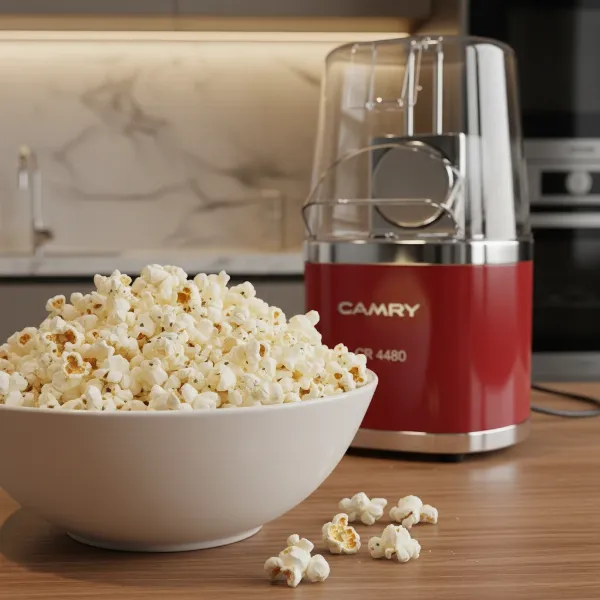
Craving that quintessential movie theater snack but torn between the two most popular popping methods? You’re not alone. The choice between an air popper and an oil popper often comes down to personal preferences, encompassing everything from taste and texture to health considerations and convenience. This comprehensive guide will help you navigate the nuances of each type, ensuring you pick the perfect popcorn maker to satisfy your cravings.
Popcorn, a beloved snack for centuries, has evolved from simple stovetop preparations to a variety of modern appliances designed for ease and efficiency. Understanding how each popping method works and its distinct characteristics is key to making an informed decision. Whether you prioritize a light, healthy snack or a rich, savory treat, there’s a popcorn maker perfectly suited for your kitchen.
Exploring the Popular Popcorn Maker Types
Before diving into the direct comparison, let’s understand the distinct categories of popcorn makers available today: air poppers and oil poppers. Each offers a unique popping experience, influencing the final taste, texture, and nutritional value of your snack.
Hot Air Popcorn Makers (Air Poppers)
Air poppers revolutionized home popcorn making by offering a healthier, oil-free alternative. These machines use circulating hot air to heat the kernels, causing them to pop without the need for any added fat. This method gained popularity in the mid-1970s and has remained a favorite for those conscious about calorie intake.
- Advantages: Air poppers are exceptionally easy to use and clean, requiring little more than a quick wipe-down since there’s no greasy residue. They are the healthiest option as they eliminate added oils and fats, making your popcorn a lower-calorie snack. Air-popped corn is also typically lighter and fluffier. Some argue that without oil saturation, air-popped corn, when properly stored, can stay crisp and fresh for longer than its oil-fried counterparts.
- Disadvantages: The primary drawback for many is the taste and texture. Air-popped popcorn can often taste drier and less flavorful on its own because there’s no oil for salt, butter, or other seasonings to adhere to easily. Achieving that “movie theater” butter flavor usually requires adding butter or oil after popping, which can negate some of the health benefits.
- Best For: Health-conscious individuals, those who prefer a plain or lightly seasoned snack, or anyone looking for a quick and mess-free way to make popcorn. It’s also great for applications where the popcorn will be coated afterward, such as making popcorn balls.
|
Our Picks for the Best Popcorn maker in 2026
As an Amazon Associate I earn from qualifying purchases.
|
||
| Num | Product | Action |
|---|---|---|
| 1 | VEVOR Commercial Popcorn Machine, 8 Oz Kettle, 850 W Countertop Popcorn Maker for 48 Cups per Batch, Theater Style Popper with 3-Switch Control Steel Frame Tempered Glass Doors 2 Scoops 2 Spoons, Red |

|
| 2 | Dash Fresh Pop Popcorn Maker - Oil-Free, Air Popcorn Popper - With Measuring Cup & Recipe Guide - Perfect for Movie Nights - 16 Cups, Red |
|
| 3 | Presto 04863 Poplite Hot Air Popcorn Popper - Built-In Measuring Cup + Melts Butter, Easy to Clean, Built-In Cord Wrap, 18 Cups, Red |
|
| 4 | West Bend Stir Crazy Hot Oil Popcorn Popper, Popcorn Maker Machine with Large Serving Bowl Lid and Stirring Rod Perfect for Movie Night Snack Time or Parties, 6-Quart, Red |
|
| 5 | Dash Fresh Pop Popcorn Maker - Oil-Free, Air Popcorn Popper - With Measuring Cup & Recipe Guide - Perfect for Movie Nights - 16 Cups, White |
|
| 6 | Original Whirley Pop Popcorn Maker - Wabash Valley Farms Gourmet Popcorn Popper, Aluminum Pot With Nylon Gears, 3-Minute Stove Top Popper, Home Movie Night (Silver) |
|
| 7 | Black Vintage Commercial Popcorn Machine with Cart & Warmer Light - 12oz Stainless Steel Popper Makes 60 Cups for Theater, Parties & Home Use |
|
| 8 | Hot Air Popper Popcorn Maker, 1200W Popcorn Machine, 4.5-Quart Air Popper for Family Movie Nights, Popcorn Popper, Fast 2-Min Popcorn Maker Machine, Popcorn Popper |
|
| 9 | Dash Fresh Pop Popcorn Maker - Oil-Free, Air Popcorn Popper - With Measuring Cup & Recipe Guide - Perfect for Movie Nights - 16 Cups, Aqua |
|
| 10 | Dash SmartStore Deluxe Stirring Popcorn Maker - Hot Oil Electric Popcorn Popper with Butter-Warming Tray, Clear Serving Bowl, Storage Lid & Measuring Cup - 24 Cups, Red |
|
Oil Popcorn Makers
Oil poppers are designed to cook popcorn kernels directly in oil, a method that imparts a distinctive flavor and crispy texture. This category includes traditional stovetop methods, as well as electric oil poppers that often feature stirring mechanisms for even cooking.
- Advantages: The biggest draw of oil-popped popcorn is its rich, savory flavor and satisfyingly crispy texture. The oil coats each kernel as it pops, providing a perfect base for salt, cheese, or any other seasoning to stick to, resulting in a more integrated taste. Many find the mouthfeel to be superior to air-popped varieties.
- Disadvantages: Naturally, oil-popped popcorn comes with more calories and fat due to the added oil. Cleanup can also be more involved, especially with stovetop methods or electric poppers where oil residue can accumulate. There’s also a higher risk of burning if not managed carefully.
- Best For: Those who prioritize traditional flavor and texture, enjoy heavily seasoned popcorn, or aren’t overly concerned about the additional calories from oil. This is the go-to for recreating that classic movie theater experience at home.
Stovetop Popcorn Makers
Traditionalists often swear by stovetop popcorn makers, which typically consist of a large pot with a lid, often featuring a hand-cranked stirring mechanism (like a Whirley Pop).
- Pros: Offers the most control over heat and popping speed, often yielding perfectly popped, tender kernels with minimal unpopped ones. Many believe this method produces the best flavor and texture, rivaling commercial machines.
- Cons: Requires constant attention and manual stirring. Cleanup can be a bit more cumbersome due to oil residue and the potential for sticking.
- Suited For: Enthusiasts who enjoy the hands-on process and want ultimate control over their popcorn, and appreciate the traditional taste.
Electric Oil Poppers
These countertop appliances simplify the oil-popping process, often featuring a heated plate and an automatic stirring arm.
- Pros: More convenient than stovetop popping, as they require less manual intervention. Many models have non-stick surfaces, making cleanup relatively straightforward compared to a traditional pot. They consistently produce delicious, oil-popped corn.
- Cons: Still uses oil, meaning higher calorie content. Can take up more counter space.
- Suited For: Individuals or families who want the rich flavor of oil-popped corn with added convenience, but prefer an automated process over stovetop methods.
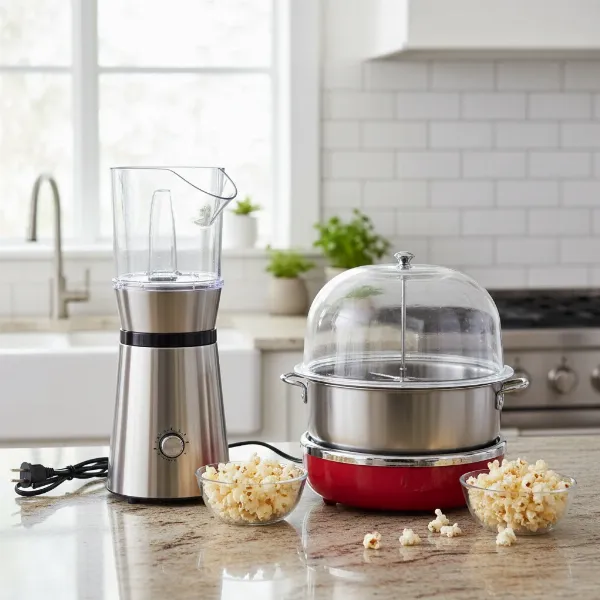 two distinct popcorn machines, an air popper and an oil popper, for home use
Comprehensive Comparison: Air Popper vs. Oil Popper
Making the right choice means weighing the key factors that matter most to you. Here’s a direct comparison to help you decide:
| Feature | Air Popper | Oil Popper (General) |
|---|---|---|
| Health | Excellent (no added oil/fat, lower calorie) | Moderate (added oil/fat, higher calorie) |
| Flavor | Milder, drier, needs seasoning post-pop | Richer, savory, seasonings adhere well |
| Texture | Lighter, fluffier | Crispier, more satisfying crunch |
| Ease of Use | Very easy, minimal supervision | Easy to moderate (depends on type, some stirring) |
| Cleanup | Very easy (quick wipe-down) | Moderate to difficult (oil residue, more parts) |
| Cost Savings | Higher (no oil needed for popping) | Lower (requires oil for each batch) |
| Versatility | Good for plain popcorn, popcorn balls | Excellent for traditional, flavored popcorn |
“For a truly healthier snack experience, an air popper is unparalleled. It strips away the unnecessary fats, leaving you with a blank canvas to season as you wish.” – Chef Isabella Rossi, Culinary Nutritionist.
Your Buying Guide: Choosing the Right Popcorn Maker
With a clear understanding of each type, let’s consider the practical aspects that will lead you to your ideal popcorn machine.
Define Your Popcorn Needs
- Who are you popping for? A compact air popper might suffice for personal enjoyment, while a large-capacity electric oil popper or a commercial-style machine would suit a family, parties, or even small business use.
- What’s your flavor preference? If you love the buttery, savory, traditional movie theater popcorn, an oil popper is likely your best bet. If you prefer a plain, light snack or enjoy experimenting with your own healthy seasonings, an air popper offers more flexibility.
- Is health a priority? For those tracking calories or reducing fat intake, an air popper is the clear winner. If occasional indulgence is fine, an oil popper might be worth the trade-off for flavor.
Key Features to Consider
- Capacity: Popcorn makers are typically measured by the amount of unpopped kernels they can handle per batch (e.g., 6 oz, 8 oz). Choose a capacity that matches your serving needs.
- Wattage (for electric models): Higher wattage generally means faster heating and popping, which can reduce the wait time and improve consistency.
- Material and Durability: Look for sturdy construction. Stainless steel for oil poppers or durable plastic for air poppers are common. Ensure food-contact surfaces are safe and non-toxic.
- Ease of Cleaning: This is a significant factor. Air poppers are generally easiest. For oil poppers, look for non-stick surfaces, removable parts, or designs that simplify wiping away oil residue. Some modern electric oil poppers have dishwasher-safe components.
- Additional Functions: Features like automatic shut-off, a warming function to keep popcorn fresh, or a built-in butter melter can enhance convenience and user experience.
Budget Considerations
Popcorn makers vary widely in price. Air poppers are generally the most affordable, while advanced electric oil poppers or commercial-style machines can be a significant investment. Determine how much you’re willing to spend and explore options within that range, balancing features with cost. Remember that a higher initial cost for a durable, efficient machine might save you money in the long run.
 a person happily eating a bowl of fresh, homemade popcorn in a cozy home setting
Brand Reputation and User Reviews
Before making a final decision, research reputable brands known for quality kitchen appliances. Read user reviews to get real-world insights into a product’s performance, durability, and any common issues. Websites of major retailers and consumer review sites are excellent resources.
Where to Purchase
You can find popcorn makers at major electronics stores, department stores, and online retailers. Online shopping often provides a wider selection and competitive pricing, but buying in-store allows you to see the product firsthand.
Essential Tips for Using Your Popcorn Maker
No matter which type of popcorn maker you choose, following a few best practices will ensure you get the best results every time.
Always Read the User Manual
Every popcorn maker has specific instructions for operation and care. Familiarize yourself with your model’s guidelines regarding kernel quantity, oil usage (for oil poppers), cooking times, and safety precautions. Adhering to these instructions will prolong the life of your appliance and prevent potential issues.
Use the Right Popcorn Kernels
Not all popcorn kernels are created equal. Opt for high-quality, fresh popcorn kernels specifically designed for air or oil popping. Avoid old or expired kernels, as they often result in a higher percentage of unpopped “old maids.” Store kernels in an airtight container in a cool, dry place to maintain freshness.
Maintain Regular Cleaning
Consistent cleaning is crucial for both hygiene and the longevity of your popcorn maker.
- Air Poppers: Typically require a simple wipe-down of the popping chamber and chute after each use.
- Oil Poppers: Should be cleaned thoroughly after every session to prevent oil buildup and rancidity. Refer to your manual for specific cleaning instructions, especially for electric models with non-submersible components.
Proper Storage for Longevity
When not in use, store your popcorn maker in a clean, dry place. Protect it from dust and extreme temperatures. Proper storage not only keeps your appliance in good condition but also ensures it’s ready for your next popcorn craving.
“The secret to consistently great popcorn, regardless of the machine, lies in using fresh kernels and understanding your equipment. Don’t skip the manual!” – Marcus Chen, Appliance Engineer.
Conclusion
Choosing between an air popper and an oil popper ultimately boils down to your personal priorities: health versus flavor, convenience versus traditional taste. Air poppers excel in delivering a lighter, healthier snack with minimal cleanup, while oil poppers (whether stovetop or electric) are champions of classic, rich flavor and a satisfyingly crispy crunch.
No matter your preference, the perfect popcorn maker is out there to elevate your snack experience. Consider your lifestyle, taste buds, and kitchen space, and you’ll be well on your way to enjoying delicious, homemade popcorn whenever the craving strikes. Which popcorn maker will become your kitchen’s next star?
Frequently Asked Questions
Is air-popped popcorn truly healthier than oil-popped?
Yes, air-popped popcorn is generally considered healthier because it uses no oil for popping, significantly reducing calorie and fat content. However, the health benefits can be lessened if you add large amounts of butter or oil after popping.
Can I add oil to an air popper for more flavor?
No, air poppers are specifically designed to operate without oil in the popping chamber. Adding oil could damage the machine or create a fire hazard. If you desire an oily flavor, you should add oil or melted butter to the popcorn after it has popped.
How do I get seasonings to stick to air-popped popcorn?
For air-popped popcorn, a light mist of water, cooking spray, or a very small amount of melted butter or oil can help seasonings adhere better. You can also use fine-ground popcorn salt or specialized popcorn seasonings.
What kind of oil is best for oil poppers?
For oil poppers, oils with a high smoke point are recommended, such as coconut oil, canola oil, or vegetable oil. Coconut oil is a popular choice for its classic flavor and ability to withstand high heat.
How much popcorn should I make at once?
Always refer to your Popcorn Maker’s instructions for the maximum amount of unpopped kernels per batch. Overfilling can lead to uneven popping, unpopped kernels, or even machine malfunction. It’s usually better to make smaller, fresh batches if you need more.