Welcome to the wonderful world of homemade popcorn! If you’re tired of sad, chemically-laden microwave bags and ready to unlock a universe of flavor, you’ve come to the right place. Learning How To Use A Stovetop Popcorn Maker is a game-changer, transforming a simple snack into a gourmet experience. It’s not just about making popcorn; it’s about crafting the perfect, fluffy, and flavorful kernels for your movie night, afternoon snack, or party. Forget everything you thought you knew about popcorn. We’re about to dive deep and turn you into a true popcorn pro, right in your own kitchen. This is your first step towards snack nirvana.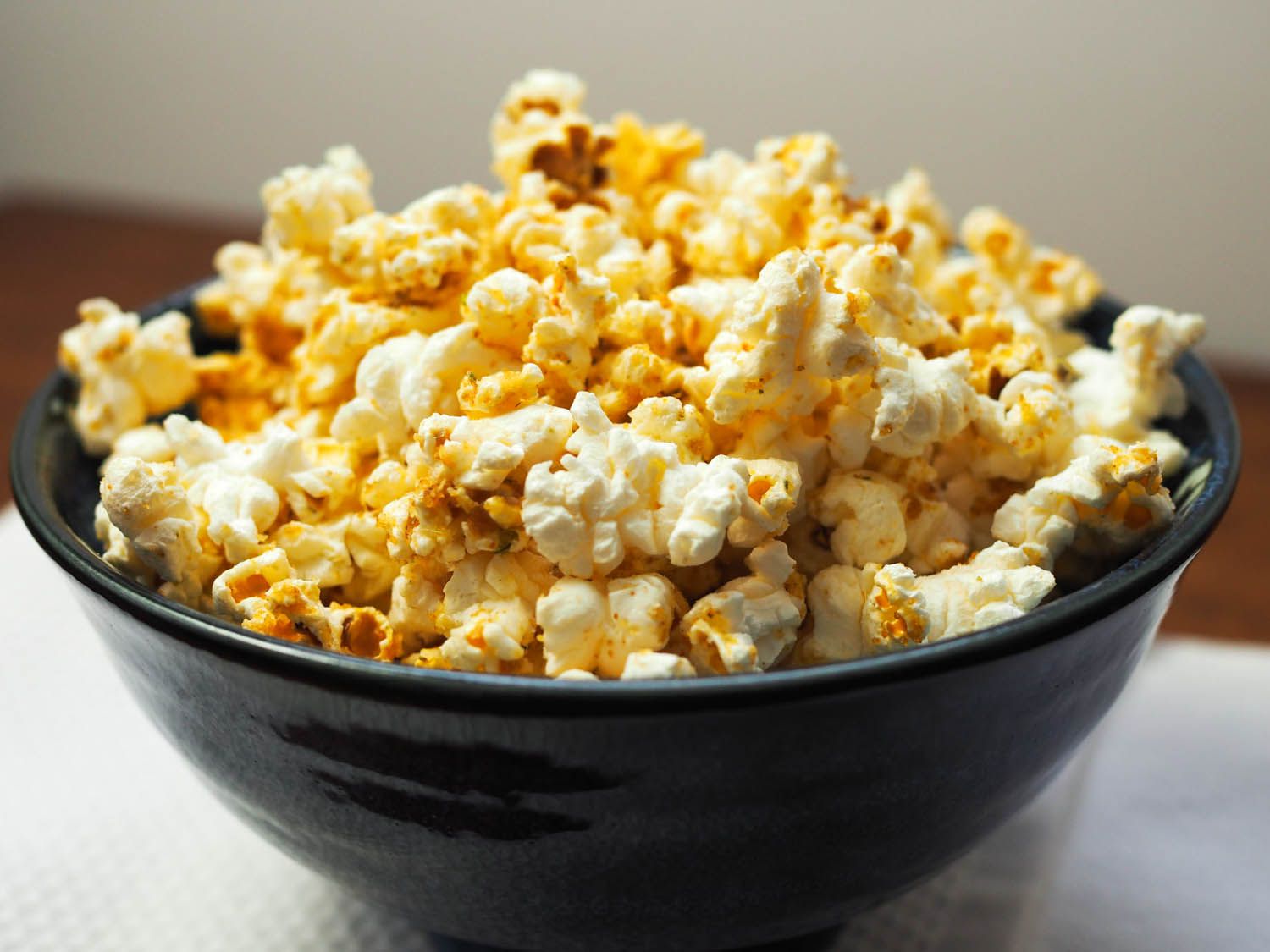
Why Bother with a Stovetop Popcorn Maker Anyway?
You might be thinking, “I have a microwave. Why do I need another gadget?” That’s a fair question. But trust me, once you go stovetop, you’ll never go back to the bag. It’s like comparing a fresh, perfectly brewed cup of coffee to the instant stuff.
Here’s the real deal on why a dedicated stovetop popper is a must-have:
- Unbeatable Flavor and Texture: The direct, even heat from the stove, combined with a little oil, creates popcorn that is unbelievably crispy, light, and fluffy. The constant stirring from a geared popper ensures almost every single kernel pops to its full potential.
- You Are in Control: You choose the oil, the amount of salt, and the type of kernels. This means a healthier snack with no mysterious chemicals, artificial butter flavorings, or preservatives. Want to use heart-healthy avocado oil? Go for it. Cutting back on sodium? You’re the boss.
- It’s Way More Economical: A big bag of popcorn kernels costs a fraction of what you’d spend on a box of microwave popcorn. Your wallet will thank you in the long run.
- The Experience is Half the Fun: There’s something deeply satisfying about hearing the first kernel pop, watching the popper fill up, and smelling that incredible aroma waft through your home. It turns a simple snack into a fun, hands-on activity.
A Quick Look at Different Popcorn Makers
Before we master the stovetop version, it’s helpful to know the landscape. Not all poppers are created equal. Each type has its own personality and produces a slightly different result.
| Popper Type | How It Works | Pros | Cons |
|---|---|---|---|
| Stovetop | Direct heat on a pot, often with a hand-crank to stir kernels in oil. | Superior flavor & texture, high yield, total control over ingredients. | Requires active attention, manual cleaning. |
| Hot Air Popper | Uses hot air to circulate and pop kernels. No oil needed. | Very healthy (fat-free), fast, easy cleanup. | Popcorn can be dry or chewy, less flavor. |
| Electric Oil Popper | An electric base heats a plate, stirring arms move kernels in oil. | Consistent results, often has a built-in butter melter, hands-off. | Bulky to store, more parts to clean. |
| Microwave Bowl | Usually a silicone or glass bowl that pops kernels in the microwave. | Convenient, less waste than bags, easy to clean. | Can burn easily, texture can be inconsistent. |
While other methods have their perks, for the true popcorn aficionado, the stovetop maker is the undisputed king for achieving that authentic, movie-theater taste at home.
|
Our Picks for the Best Popcorn Maker in 2026
As an Amazon Associate, we earn from qualifying purchases.
|
||
| Num | Product | Action |
|---|---|---|
| 1 | DASH Hot Air Popcorn Popper Maker with Measuring Cup to Portion Popping Corn Kernels + Melt Butter, 16 Cups - Red |

|
| 2 | DASH Hot Air Popcorn Popper Maker with Measuring Cup to Portion Popping Corn Kernels + Melt Butter, 16 Cups - Aqua |
|
| 3 | DASH SmartStore™ Deluxe Stirring Popcorn Maker, Hot Oil Electric Popcorn Machine with Large Lid for Serving Bowl and Convenient Storage, 24 Cups – Aqua |
|
| 4 | Presto 04820 Poplite Hot Air Popcorn Popper - Built-In Measuring Cup + Melts Butter, Easy to Clean, Built-In Cord Wrap, 18 Cups, Yellow |
|
| 5 | Air Popper Popcorn Maker, 1200W Fast Making Electric Popcorn Machine with Measuring Cup and On/Off Switch, BPA Free, Oil-Free, ETL Certified 90% High Popping Rate Popcorn Popper for Home, Party, Movie |
|
| 6 | Ecolution Patented Micro-Pop Microwave Popcorn Popper with Temperature Safe Glass, 3-in-1 Lid Measures Kernels and Melts Butter, Made Without BPA, Dishwasher Safe, 3-Quart, Red |
|
| 7 | Elite Gourmet EPM330M Automatic Stirring 12-cup Popcorn Maker Popper, Hot Oil Popcorn Machine w/Measuring Cap & Built-in Reversible Serving Bowl, Great for Home Party Kids, Safety ETL Approved, Mint |
|
| 8 | Popcorn Machine – 800W Electric Hot Oil Popcorn Maker with Non-Stick Plate, Lid & Stirrer – Large 24-Cup Popper for Home, Parties, Movie Night – Butter, Sugar & Spice Compatible (Red) |
|
| 9 | West Bend Stir Crazy Movie Theater Popcorn Popper, Gourmet Popcorn Maker Machine with Nonstick Popcorn Kettle, Measuring Tool and Popcorn Scoop for Popcorn Machine, 4-Qt., Red |
|
| 10 | West Bend Stir Crazy Hot Oil Popcorn Popper, Popcorn Maker Machine with Large Serving Bowl Lid and Stirring Rod Perfect for Movie Night Snack Time or Parties, 6-Quart, Red |
|
How to Choose the Right Stovetop Popcorn Maker for You
Walking into the world of stovetop poppers can feel a bit overwhelming. You’ll see different materials, sizes, and designs. But don’t worry, choosing one is simple once you know what to look for.
What should I look for in a stovetop popper?
Focus on four key factors: capacity, material, lid design, and how easy it is to clean. These will determine how well the popper fits your lifestyle and your quest for the perfect popcorn.
- Capacity: Are you making popcorn for yourself or for the whole family on movie night? Stovetop poppers typically come in sizes around 6 quarts, which is a great all-purpose size that yields about 24 cups of popped corn. This is plenty for 4-6 people.
- Material:
- Aluminum: This is the most common material. It’s lightweight and an excellent heat conductor, meaning it heats up quickly and evenly, which is crucial for preventing burnt kernels. Most classic “Whirley-Pop” style makers use aluminum.
- Stainless Steel: Heavier and more durable, stainless steel is a fantastic option, especially if you have an induction cooktop. It might take a little longer to heat up, but it retains heat very well.
- Lid and Stirring Mechanism: Look for a popper with a well-designed stirring mechanism. The classic hand-crank style with gears is popular for a reason—it works! It ensures kernels are constantly moving so they don’t sit in one spot and burn. Vented lids are also a plus, as they allow steam to escape, resulting in crispier popcorn.
- Ease of Cleaning: Let’s be real, no one likes cleaning up. Look for models with a non-stick interior or a simple design without too many nooks and crannies. Most stovetop poppers just need a good wipe-down with a paper towel after use.
The Main Event: How to Use a Stovetop Popcorn Maker
Alright, the moment of truth has arrived. You have your shiny new popper, a bag of kernels, and a craving for the best snack on earth. Let’s make some magic happen. This step-by-step guide will ensure a perfect batch, every single time.
- Gather Your Supplies: Before you even turn on the stove, get everything ready. You’ll need:
- Your stovetop popcorn maker.
- 1/2 cup of high-quality popcorn kernels.
- 2-3 tablespoons of a high-smoke-point oil.
- A large bowl to dump the finished popcorn into.
- Your favorite seasonings (salt, melted butter, etc.).
- Add Oil and Do the “Three Kernel Test”: Pour your oil into the bottom of the popper. Don’t skimp here; the oil is key for flavor and heat transfer. Add just three individual kernels to the pot and place it on the stove over medium heat.
Pro-Tip from Chef Amelia Thorne: “The three-kernel test is non-negotiable. It’s your foolproof temperature gauge. When those three kernels pop, your oil is at the absolute perfect temperature to add the rest. It guarantees a fast, even pop with minimal unpopped kernels, or ‘old maids’ as we call them.”
- Add the Rest of the Kernels: Once you hear those three test kernels pop, you’re good to go! Immediately take the popper off the heat, pour in the remaining 1/2 cup of kernels in an even layer, and give the crank a quick turn to coat them in the oil.
- Return to Heat and Start Cranking: Place the popper back on the medium heat and begin turning the crank slowly and consistently. You don’t need to go crazy fast. A steady, gentle pace is all you need. This is the secret to how to use a stovetop popcorn maker properly—the constant motion prevents burning and heats every kernel evenly.
- Listen and Wait for the Symphony: After a minute or two, you’ll hear the first “pop!” Then another, and another, until it becomes a frantic, beautiful symphony of popping. Keep cranking! The action will get a little tougher as the pot fills up.
- Know When to Stop: This is the most crucial skill to learn. You’ll want to remove the popper from the heat when the popping slows down to about 2-3 seconds between pops. Waiting any longer risks burning the popcorn at the bottom. The residual heat will pop the last few remaining kernels.
- Dump and Season Immediately: As soon as you take it off the heat, carefully open the lid (away from your face, as steam will escape!) and dump the popcorn into your large bowl. If you’re using melted butter and fine salt, add them now while the popcorn is still hot and steamy. This helps the seasonings stick to every piece.
And that’s it! You’ve successfully learned how to use a stovetop popcorn maker. Give it a toss, get comfy on the couch, and enjoy your masterpiece.
How do I clean my stovetop popcorn popper?
Cleaning is surprisingly simple. For most uses, just let the popper cool down completely and then wipe the inside with a paper towel. This leaves a thin layer of oil, which helps season the popper for future use. For a deeper clean, use a soft sponge with a little dish soap and warm water, then dry thoroughly. Avoid harsh scrubbers that could damage the surface.
Frequently Asked Questions (FAQ)
Q: Why are my popcorn kernels not popping?
A: There are two common culprits. First, your heat might be too low or too high. Medium heat is the sweet spot. Second, your kernels might be old. Popcorn needs a specific moisture content to pop, and it can dry out over time. Always store your kernels in an airtight container.
Q: Can I use butter instead of oil to pop the corn?
A: It’s not recommended. Butter has a very low smoke point and will burn before the kernels have a chance to pop, resulting in a bitter, burnt taste. Use a high-smoke-point oil like coconut, canola, or grapeseed oil for popping, and then drizzle melted butter on top afterwards.
Q: Why is my popcorn chewy or tough?
A: This is usually caused by trapped steam. If your popper’s lid doesn’t have vents, the steam from the popping kernels gets trapped and makes the popcorn soggy. Try leaving the lid slightly ajar to let the steam escape. Popping on heat that’s too low can also cause a chewier texture.
Q: What’s the difference between yellow and white popcorn kernels?
A: Yellow kernels generally produce larger, fluffier, and more durable popcorn, which is great for holding up to butter and heavy seasonings. White kernels produce smaller, more tender and delicate popcorn with a milder flavor. It’s all a matter of personal preference!
Q: How can I get my salt and seasonings to stick better?
A: The secret is two-fold. First, season immediately when the popcorn is hot and fresh out of the popper. Second, use a very fine-grain salt. You can make your own by pulsing regular salt in a spice grinder or blender. The finer particles will adhere much better than large crystals.
Your Journey to Popcorn Perfection
Congratulations, you’re now equipped with all the knowledge you need. Learning how to use a stovetop popcorn maker is more than just a recipe; it’s a skill that unlocks endless snacking possibilities. You can experiment with different oils, a world of seasonings, and various types of kernels. You’ve left the world of bland, bagged popcorn behind and entered a new era of fresh, delicious, and perfectly customized snacks.
So go ahead, start popping. We’d love to hear about your creations! Share your favorite seasoning blends or movie-and-popcorn pairings in the comments below.