Let’s be real for a moment. You’ve gone to the trouble of making a fresh, warm batch of popcorn. The aroma is filling your kitchen, and you’re ready for the perfect movie night snack. You sprinkle on your favorite seasoning, take a big handful, and… disappointment. All that delicious flavor has tumbled to the bottom of the bowl, leaving you with bland, plain popcorn. If you’re wondering What Is The Best Way To Season Popcorn so every single kernel is coated in deliciousness, you’ve come to the right place. It’s not magic; it’s a technique. And by the end of this guide, you’ll be a popcorn seasoning pro.
Forget those sad, unevenly flavored bowls. We’re about to transform your snack game forever.
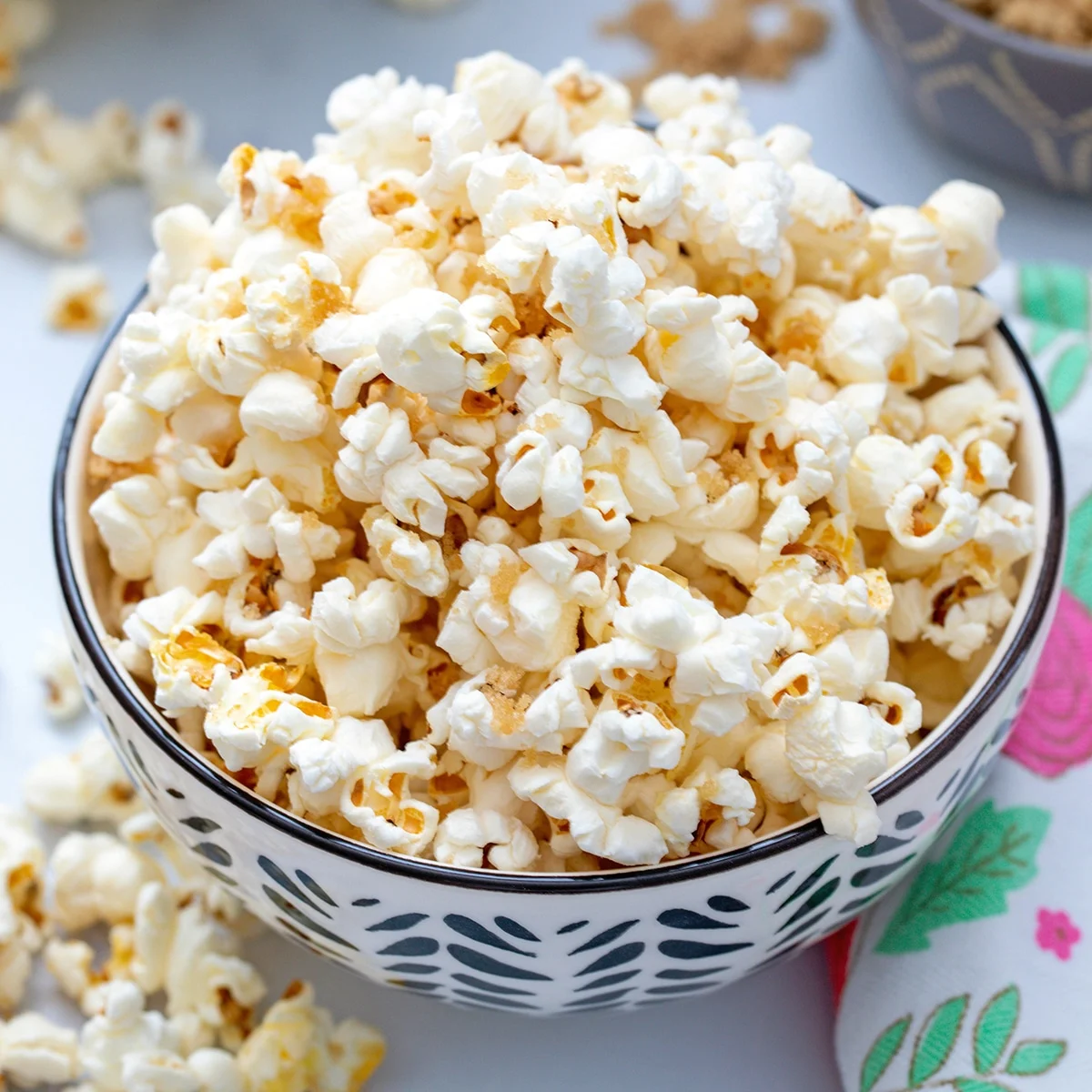
The Foundation: Why Your Seasoning Isn’t Sticking
Before we get into the “how,” we need to understand the “why.” The number one reason your seasoning ends up at the bottom of the bowl is a lack of a proper binder.
Think of it like this: dry seasoning on dry popcorn is like trying to get sand to stick to a dry window. It just won’t work. You need something for the seasoning to cling to. This binder is typically a fat, and it’s the secret weapon for perfectly coated popcorn. The key is to apply just enough to make the kernels tacky, but not so much that they become soggy.
Step 1: Choose Your Binder (The Flavor Glue)
The binder you choose not only helps the seasoning adhere but also adds its own layer of flavor. You’ve got options, and each one brings something different to the party.
Classic Melted Butter
This is the undisputed king for a reason. The rich, salty flavor of melted butter is what most of us associate with movie theater popcorn.
- Pros: Unbeatable classic flavor, readily available.
- Cons: Can make popcorn soggy if you use too much. The water content in butter can be a culprit.
- Pro Tip: Clarify your butter! By gently melting butter and skimming off the milk solids from the top, you’re left with pure butterfat. This gives you all the flavor with less of the water, resulting in crispier popcorn.
Healthier Oils
For a different flavor profile or a healthier alternative, various oils work beautifully. The trick is to drizzle them lightly.
- Olive Oil: Adds a fruity, slightly peppery note that’s fantastic with savory herbs like rosemary or Parmesan.
- Coconut Oil: Provides a subtle sweetness that pairs wonderfully with both sweet and savory seasonings. It’s a staple for a reason and is the oil of choice in many cinemas.
- Avocado Oil: With its high smoke point and neutral flavor, it’s a versatile and healthy option that lets your seasonings be the star.
The Secret Weapon: An Oil Mister
To achieve the most even, lightest coating possible, an oil mister is a game-changer. It allows you to apply a micro-fine layer of oil over the entire batch, ensuring every kernel has just enough tackiness for the seasoning to grab onto.
Step 2: Timing, Technique, and The Art of Tossing
Now that you have your binder, the method of application is crucial. This is where most people go wrong. Don’t just dump everything in at once!
Expert Take from Popcorn Enthusiast, Clara Jensen: “The biggest mistake I see is people seasoning cold popcorn. You have a very short window when the popcorn is hot and steamy. That steam helps activate your binder and wake up the spices. Work quickly and with purpose!”
What is the Best Way to Season Popcorn? The Layering Method
This is the holy grail technique. It ensures an even distribution of both the binder and the seasoning. You’ll need a very large bowl to give yourself enough room to toss without making a mess.
- Pop It Hot: Make your popcorn using your favorite method. We’re partial to a quality air popper for a fluffy, clean base. As soon as it’s done, transfer it to your large bowl.
- First Drizzle: While the popcorn is still steaming, drizzle about half of your chosen melted butter or oil over it.
- First Toss: Immediately toss the popcorn vigorously. Use a large spoon or simply shake the bowl (with a lid or plate on top!) to get that first layer of fat evenly distributed.
- First Sprinkle: Now, sprinkle about half of your seasoning blend over the popcorn.
- Second Toss: Toss it all again, and be thorough! You want to see those little specks of flavor clinging to every kernel.
- Repeat: Drizzle the remaining butter/oil, toss, and then add the rest of your seasoning. Give it one final, comprehensive toss.
By seasoning in two stages, you avoid clumping and ensure that kernels from the bottom of the bowl get just as much love as the ones on top.
|
Our Picks for the Best Popcorn Maker in 2026
As an Amazon Associate, we earn from qualifying purchases.
|
||
| Num | Product | Action |
|---|---|---|
| 1 | DASH SmartStore™ Deluxe Stirring Popcorn Maker, Hot Oil Electric Popcorn Machine with Large Lid for Serving Bowl and Convenient Storage, 24 Cups – Aqua |

|
| 2 | DASH Hot Air Popcorn Popper Maker with Measuring Cup to Portion Popping Corn Kernels + Melt Butter, 16 Cups - Red |
|
| 3 | DASH Hot Air Popcorn Popper Maker with Measuring Cup to Portion Popping Corn Kernels + Melt Butter, 16 Cups - Aqua |
|
| 4 | Air Popper Popcorn Maker, 1200W Fast Making Electric Popcorn Machine with Measuring Cup and On/Off Switch, BPA Free, Oil-Free, ETL Certified 90% High Popping Rate Popcorn Popper for Home, Party, Movie |
|
| 5 | Presto 04820 Poplite Hot Air Popcorn Popper - Built-In Measuring Cup + Melts Butter, Easy to Clean, Built-In Cord Wrap, 18 Cups, Yellow |
|
| 6 | Elite Gourmet EPM330M Automatic Stirring 12-cup Popcorn Maker Popper, Hot Oil Popcorn Machine w/Measuring Cap & Built-in Reversible Serving Bowl, Great for Home Party Kids, Safety ETL Approved, Mint |
|
| 7 | West Bend Stir Crazy Movie Theater Popcorn Popper, Gourmet Popcorn Maker Machine with Nonstick Popcorn Kettle, Measuring Tool and Popcorn Scoop for Popcorn Machine, 4-Qt., Red |
|
| 8 | Ecolution Patented Micro-Pop Microwave Popcorn Popper with Temperature Safe Glass, 3-in-1 Lid Measures Kernels and Melts Butter, Made Without BPA, Dishwasher Safe, 3-Quart, Red |
|
| 9 | Popcorn Machine – 800W Electric Hot Oil Popcorn Maker with Non-Stick Plate, Lid & Stirrer – Large 24-Cup Popper for Home, Parties, Movie Night – Butter, Sugar & Spice Compatible (Red) |
|
| 10 | West Bend Stir Crazy Hot Oil Popcorn Popper, Popcorn Maker Machine with Large Serving Bowl Lid and Stirring Rod Perfect for Movie Night Snack Time or Parties, 6-Quart, Red |
|
Step 3: Master Your Seasoning Blends
The “best” way to season popcorn also depends on what you’re in the mood for! Having a few go-to blends on hand makes gourmet popcorn an everyday affair. The key to any great blend is using finely ground spices. Coarse salt and pepper will just fall off. Use a mortar and pestle or a spice grinder to get your seasonings as powdery as possible.
Go-To Savory Blends
- Classic Cheesy: 3 tbsp nutritional yeast, 1 tsp garlic powder, 1 tsp onion powder, 1/2 tsp smoked paprika, and 1/2 tsp fine sea salt.
- Spicy Taco: 1 tbsp chili powder, 1 tsp cumin, 1/2 tsp oregano, 1/2 tsp garlic powder, and a pinch of cayenne pepper.
- Everything Bagel: Just buy the blend! It’s perfect as is.
Irresistible Sweet Blends
- Cinnamon Sugar: 3 tbsp powdered sugar (it sticks better!), 1 tbsp ground cinnamon. A drop of vanilla extract in your melted butter takes this to the next level.
- Chocolate Lover’s Dream: 2 tbsp unsweetened cocoa powder, 2 tbsp powdered sugar, and a pinch of salt to bring out the flavor.
How Your Popcorn Maker Choice Impacts Seasoning
The way you pop your corn creates a different canvas for your culinary creations. Understanding this can help you perfect your seasoning strategy.
Seasoning Air-Popped Popcorn
An air popper, like our Popcorn Maker Pro Deluxe, uses hot air to pop the kernels.
- The Result: Incredibly light, fluffy, and completely dry popcorn.
- The Challenge: Because it’s so dry, a binder is non-negotiable. Seasoning will not stick to plain air-popped corn.
- The Strategy: Be ready with your melted butter or oil mister the second the popping stops. The layering method described above is essential for air-popped success.
Seasoning Oil-Popped Popcorn
Whether you’re using a stovetop popper or a stirring popcorn maker, this method uses oil in the popping process.
- The Result: The popcorn comes out with a light coating of oil already on it. The kernels are often a bit richer and more robust.
- The Advantage: It’s already prepped for seasoning! You may need less additional butter or oil as a binder.
- The Strategy: You can often get away with just a light extra drizzle before using the layering method for your seasonings. Some people even add fine salt with the oil and kernels before popping, a technique called “in-kettle seasoning.”
Frequently Asked Questions
How do you get seasoning to stick to popcorn without butter?
You can use a variety of oils like olive, coconut, or avocado oil. For a fat-free option, a very fine mist of water, lime juice, or even soy sauce from a spray bottle can work. Just be sure to spray very lightly and toss immediately to avoid sogginess.
Can you put seasoning directly in the popcorn maker?
It depends on the maker. For air poppers, absolutely not; the seasoning will just fly around and burn. For oil-based poppers, you can add very fine salt with the oil, but herbs and sugars will burn at high heat, creating a bitter taste and a difficult mess to clean. It’s always best to season after popping.
What is the best salt for popcorn?
The best salt is a very fine-grained salt. Standard table salt can work, but “popcorn salt” is specifically milled to be a superfine powder that adheres much better. You can make your own by pulsing sea salt or kosher salt in a spice grinder.
How much seasoning should I use on my popcorn?
A good starting point is about 1 to 2 tablespoons of seasoning blend for every 1/2 cup of unpopped kernels (which yields about 12-16 cups of popped corn). Start with less, toss, and taste. You can always add more!
Why does my homemade seasoning taste bland?
Often, it’s a lack of salt. Salt is a flavor enhancer that makes all the other spices pop. Make sure your blend is well-salted. Additionally, ensure your spices are fresh. Old, stale spices lose their potency and flavor.
Your Perfect Bowl Awaits
Mastering what is the best way to season popcorn is about understanding three things: using a binder, applying it while the popcorn is hot, and using the layering technique for even distribution. Once you nail this simple method, a world of flavor opens up, and you’ll never look at that plain bowl of popcorn the same way again.
So go ahead, pop a batch, and put these tips to the test. We’d love to hear about your creations! Share your favorite popcorn seasoning recipe or a newfound trick in the comments below.