Ever found yourself staring at a bag of popcorn, wondering if there’s more to life than the standard movie theater fare? Well, buckle up, buttercup, because you’re about to go down a rabbit hole of crunchy, fluffy goodness. Understanding What Are The Different Types Of Popcorn Kernels is the first step from being a casual snacker to a true popcorn connoisseur. It’s the secret handshake of the popcorn-obsessed, the key that unlocks a universe of textures and tastes you never knew existed. And once you know the difference, you’ll realize that the kernel you choose is just as important as the movie you’re about to watch.
The journey to the perfect bowl of popcorn is a tale of two heroes: the kernel and the machine that brings it to life. To truly appreciate the nuances of each kernel, you need the right popping environment. For a deeper look into selecting the perfect appliance for your snacking needs, our comprehensive popcorn maker buying guide is an essential read.
So, What Are the Different Types of Popcorn Kernels, Really?
At its core, all popcorn is a type of flint corn, known for its hard outer shell, or pericarp. The magic happens when heat turns the tiny bit of water inside the kernel into steam, building pressure until… POP! But within this simple science lies a beautiful diversity. The two main players on the popcorn stage are Butterfly and Mushroom.
Butterfly Kernels (aka Snowflake Kernels)
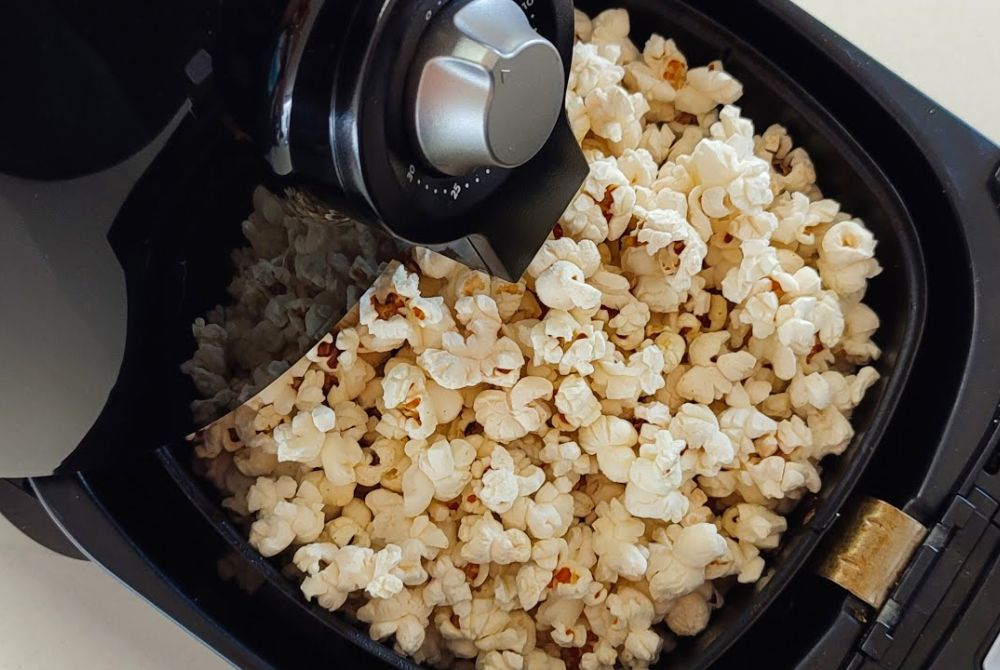
This is the one you know and love. Butterfly kernels are the celebrities of the popcorn world. When they pop, they create irregular shapes with “wings” jutting out in all directions.
- Best For: Capturing melted butter and fine seasonings. Those nooks and crannies are perfect for trapping all that deliciousness.
- Texture: Light, airy, and tender with a satisfying crunch.
- Downside: Their delicate wings can break easily, making them less ideal for heavy coatings or being tossed around a lot.
Think of the classic, overflowing bucket you get at the cinema—that’s the work of a butterfly kernel. It’s the quintessential movie night popcorn.
Mushroom Kernels
If butterfly kernels are the celebrities, mushroom kernels are the workhorses. These kernels pop into dense, compact, ball-like shapes. They are noticeably rounder and more solid than their winged counterparts.
- Best For: Heavy coatings. We’re talking caramel, chocolate, or cheese dust. Their sturdy surface ensures they won’t crumble under the pressure.
- Texture: Chewier and more substantial. They have a very satisfying, dense mouthfeel.
- Downside: They don’t have the same light, melt-in-your-mouth quality as butterfly kernels.
Expert Take: According to home-popping enthusiast and recipe developer, Jessica Miller, “Choosing between butterfly and mushroom kernels is all about your end goal. For a simple butter and salt night, I always reach for butterfly. But for my famous caramel corn recipe that I make for parties, it has to be mushroom. They hold up beautifully and ensure every piece is perfectly coated.”
The Color Wheel: Yellow vs. White and Other Gourmet Varieties
Beyond shape, you’ll also find kernels in different colors, primarily yellow and white.
- Yellow Kernels: These are the most common. They pop up large and durable, with a distinctly yellow-tinged interior and a robust, “corny” flavor. This is your all-purpose, crowd-pleasing kernel.
- White Kernels: These are slightly smaller and pop into a bright white flake. They are known for having a more tender texture and a milder flavor, with a less noticeable hull (that bit that gets stuck in your teeth).
And then there’s the world of gourmet colors—red, blue, purple, black. While they look stunning in the jar, they all pop up white or slightly off-white. Their main differences are subtle variations in flavor and hull size. Exploring these is a fun way to level up your popcorn game, and understanding what is a gourmet popcorn kernel can open up a new world of snacking.
Why a Dedicated Popcorn Maker is a Game-Changer
Now that you’re an expert on kernels, let’s talk about unlocking their potential. Sure, you can toss a bag in the microwave, but you’re missing out on so much. Using a dedicated popcorn maker is like switching from instant coffee to a French press—the difference in quality, flavor, and experience is night and day.
Microwave bags often contain artificial butter flavorings and other chemicals. With a popcorn maker, you have 100% control. You choose the kernels, the type and amount of oil (or no oil at all!), and the exact seasonings. It’s fresher, healthier, and ultimately, far more delicious. Plus, the sheer joy of watching and hearing the kernels pop is an experience in itself!
Finding Your Perfect Popcorn Maker: The Main Players
Choosing a machine can feel daunting, but it really boils down to your personal popping style. Each type has its own personality and excels at different things.
Hot Air Poppers
These machines use, you guessed it, hot air to circulate and pop the kernels. No oil is required, making this the go-to choice for health-conscious snackers. They are fast, efficient, and produce a light, crisp popcorn. The mechanics are fascinating; they rely on a powerful fan and heating element, and understanding what is an air vent on a popcorn maker can give you insight into how they work so efficiently.
Stovetop Poppers
For those who love a bit of nostalgia and a hands-on approach, stovetop poppers are fantastic. These are typically aluminum or stainless steel pots with a hand-cranked stirring mechanism. This ensures the kernels and oil are constantly moving, which prevents burning and results in an even pop with very few un-popped kernels (we call those “old maids”).
Oil-Based Electric Poppers
These offer the best of both worlds: the rich flavor of oil-popped corn with the convenience of an electric appliance. Many models have a built-in stirring rod and a base that doubles as a serving bowl. They’re perfect for recreating that authentic cinema-style taste right on your countertop. You don’t have to break the bank to get started, either; you can easily buy electric popcorn maker under 30 that will dramatically improve your movie nights.
|
Our Picks for the Best Popcorn Maker in 2026
As an Amazon Associate, we earn from qualifying purchases.
|
||
| Num | Product | Action |
|---|---|---|
| 1 | Popcorn Machine – 800W Electric Hot Oil Popcorn Maker with Non-Stick Plate, Lid & Stirrer – Large 24-Cup Popper for Home, Parties, Movie Night – Butter, Sugar & Spice Compatible (Red) |

|
| 2 | DASH Hot Air Popcorn Popper Maker with Measuring Cup to Portion Popping Corn Kernels + Melt Butter, 16 Cups - Red |
|
| 3 | West Bend Stir Crazy Movie Theater Popcorn Popper, Gourmet Popcorn Maker Machine with Nonstick Popcorn Kettle, Measuring Tool and Popcorn Scoop for Popcorn Machine, 4-Qt., Red |
|
| 4 | DASH Hot Air Popcorn Popper Maker with Measuring Cup to Portion Popping Corn Kernels + Melt Butter, 16 Cups - Aqua |
|
| 5 | Ecolution Patented Micro-Pop Microwave Popcorn Popper with Temperature Safe Glass, 3-in-1 Lid Measures Kernels and Melts Butter, Made Without BPA, Dishwasher Safe, 3-Quart, Red |
|
| 6 | DASH SmartStore™ Deluxe Stirring Popcorn Maker, Hot Oil Electric Popcorn Machine with Large Lid for Serving Bowl and Convenient Storage, 24 Cups – Aqua |
|
| 7 | Air Popper Popcorn Maker, 1200W Fast Making Electric Popcorn Machine with Measuring Cup and On/Off Switch, BPA Free, Oil-Free, ETL Certified 90% High Popping Rate Popcorn Popper for Home, Party, Movie |
|
| 8 | Presto 04820 Poplite Hot Air Popcorn Popper - Built-In Measuring Cup + Melts Butter, Easy to Clean, Built-In Cord Wrap, 18 Cups, Yellow |
|
| 9 | Elite Gourmet EPM330M Automatic Stirring 12-cup Popcorn Maker Popper, Hot Oil Popcorn Machine w/Measuring Cap & Built-in Reversible Serving Bowl, Great for Home Party Kids, Safety ETL Approved, Mint |
|
| 10 | West Bend Stir Crazy Hot Oil Popcorn Popper, Popcorn Maker Machine with Large Serving Bowl Lid and Stirring Rod Perfect for Movie Night Snack Time or Parties, 6-Quart, Red |
|
Here’s a quick comparison to help you decide:
| Feature | Hot Air Popper | Stovetop Popper | Oil-Based Electric Popper |
|---|---|---|---|
| Popping Method | Hot Air | Oil & Direct Heat | Oil & Electric Heat |
| Health Factor | Healthiest (no oil needed) | Moderate (requires oil) | Moderate (requires oil) |
| Taste Profile | Light, crisp, “plain” | Rich, classic, full-bodied | Rich, cinema-style |
| Ease of Use | Very Easy | Moderate (requires attention) | Very Easy |
| Cleanup | Easiest | Moderate | Moderate to Hard |
Your Ultimate Guide to Popping Perfection
You’ve got your kernels and your machine. It’s showtime! Follow these steps for a perfect batch every single time.
- Measure Your Kernels: Don’t just eyeball it. Most machines come with a recommended measurement. Overfilling can lead to uneven popping and burnt popcorn.
- Choose Your Oil (if using one): You need an oil with a high smoke point. Coconut oil is the classic choice for movie theater flavor. Canola, grapeseed, or sunflower oil are also excellent options.
- Preheat Your Machine: Whether on the stove or an electric model, let the machine and oil get hot before adding the kernels. A good test is to add 2-3 kernels to the oil; when they pop, the oil is ready for the rest.
- Listen Carefully: The sound of popping is your best guide. When the frantic popping slows to about 2-3 seconds between pops, it’s time to stop the heat. This is the secret to minimizing un-popped and burnt kernels.
- Season Immediately: Add your salt and melted butter while the popcorn is still hot. The steam will help the seasonings cling to every piece. For a finer coating, try using a microplane to grate your salt or grind it in a spice grinder.
How to Clean and Maintain Your Popcorn Maker
Keeping your machine clean is crucial for both flavor and longevity. A buildup of old oil can turn rancid and ruin the taste of a fresh batch.
- For Hot Air Poppers: Simply wipe down the popping chamber with a damp cloth once it has cooled. The plastic cover can usually be washed with warm, soapy water.
- For Stovetop & Electric Poppers: After it cools, wipe out any excess oil and salt with a paper towel. For a deeper clean, use warm water, a mild dish soap, and a soft sponge. Avoid abrasive scrubbers that can damage the surface. Always ensure the machine is completely dry before storing it.
Frequently Asked Questions
Can I use any type of popcorn kernel in any machine?
Absolutely! Both butterfly and mushroom kernels will pop in any type of machine. However, for the best results, you might prefer the fluffy texture of air-popped butterfly kernels or the rich, even coating you get with mushroom kernels in an oil-based popper.
What’s the real difference between yellow and white popcorn kernels?
The main differences are in size, texture, and flavor. Yellow kernels pop larger and have a sturdier texture with a classic “corny” taste. White kernels pop smaller and are more tender and delicate, with a milder flavor and a less noticeable hull.
Are gourmet colored popcorn kernels worth the extra cost?
For a true popcorn enthusiast, yes! While they all pop white, many people find that blue or red kernels have a slightly nuttier or sweeter flavor and an even more tender texture than standard white kernels. It’s a fun way to experiment and find your personal favorite.
How do I stop my popcorn from being chewy?
Chewy popcorn is usually a result of trapped steam. The moment your popcorn is done popping, get it out of the hot machine and into a wide, open bowl. This allows the steam to escape immediately, keeping your popcorn perfectly crisp.
Is air-popped popcorn really that much healthier?
Yes. Because it uses no oil, air-popped popcorn is significantly lower in calories and fat. A typical serving of plain, air-popped popcorn is a fantastic whole-grain, high-fiber snack. The health factor only changes when you start adding butter and other toppings.
The Final Pop
The humble popcorn kernel is far more complex and exciting than it gets credit for. Your journey into the world of popcorn doesn’t end with a generic bag from the grocery store. By understanding what are the different types of popcorn kernels—from the classic butterfly to the robust mushroom and the subtle gourmet varieties—you empower yourself to craft the perfect snacking experience. Pairing that knowledge with the right popcorn maker transforms a simple snack into a delicious ritual. So go ahead, experiment with a new kernel, fire up your popper, and rediscover the magic of homemade popcorn.