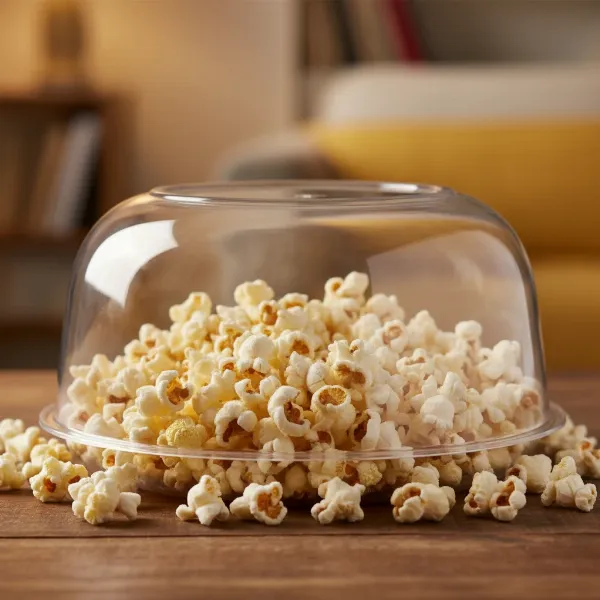
The enticing aroma of freshly popped corn is one of life’s simple pleasures, often conjuring images of movie nights and fun gatherings. Yet, the delight can quickly turn to disappointment when that familiar scent gives way to the tell-tale smell of burnt popcorn, leaving you with a batch of scorched kernels and an unappetizing mess. If you’ve ever wrestled with your popcorn machine, wondering why some kernels emerge perfectly puffed while others are sadly charred, you’re not alone. Mastering the art of unburnt popcorn in your machine is achievable, and this guide will equip you with the knowledge and techniques to ensure every batch is golden, fluffy, and delicious.
Common Reasons Your Popcorn Burns
Understanding why your popcorn burns is the first step toward preventing it. Several factors can contribute to that undesirable outcome, turning your potential snack into a frustrating failure.
Excessive Heat
|
Our Picks for the Best Popcorn maker in 2026
As an Amazon Associate I earn from qualifying purchases.
|
||
| Num | Product | Action |
|---|---|---|
| 1 | VEVOR Commercial Popcorn Machine, 8 Oz Kettle, 850 W Countertop Popcorn Maker for 48 Cups per Batch, Theater Style Popper with 3-Switch Control Steel Frame Tempered Glass Doors 2 Scoops 2 Spoons, Red |

|
| 2 | Original Whirley Pop Popcorn Maker - Wabash Valley Farms Gourmet Popcorn Popper, Aluminum Pot With Nylon Gears, 3-Minute Stove Top Popper, Home Movie Night (Silver) |
|
| 3 | Dash SmartStore Deluxe Stirring Popcorn Maker - Hot Oil Electric Popcorn Popper with Butter-Warming Tray, Clear Serving Bowl, Storage Lid & Measuring Cup - 24 Cups, Red |
|
| 4 | Dash Fresh Pop Popcorn Maker - Oil-Free, Air Popcorn Popper - With Measuring Cup & Recipe Guide - Perfect for Movie Nights - 16 Cups, Aqua |
|
| 5 | Hot Air Popper Popcorn Maker, 1200W Popcorn Machine, 4.5-Quart Air Popper for Family Movie Nights, Popcorn Popper, Fast 2-Min Popcorn Maker Machine, Popcorn Popper |
|
| 6 | Presto 04863 Poplite Hot Air Popcorn Popper - Built-In Measuring Cup + Melts Butter, Easy to Clean, Built-In Cord Wrap, 18 Cups, Red |
|
| 7 | West Bend Stir Crazy Hot Oil Popcorn Popper, Popcorn Maker Machine with Large Serving Bowl Lid and Stirring Rod Perfect for Movie Night Snack Time or Parties, 6-Quart, Red |
|
| 8 | Dash Fresh Pop Popcorn Maker - Oil-Free, Air Popcorn Popper - With Measuring Cup & Recipe Guide - Perfect for Movie Nights - 16 Cups, White |
|
| 9 | Dash Fresh Pop Popcorn Maker - Oil-Free, Air Popcorn Popper - With Measuring Cup & Recipe Guide - Perfect for Movie Nights - 16 Cups, Red |
|
| 10 | Black Vintage Commercial Popcorn Machine with Cart & Warmer Light - 12oz Stainless Steel Popper Makes 60 Cups for Theater, Parties & Home Use |
|
One of the primary culprits behind burnt popcorn is heat that’s either too high, applied too quickly, or maintained for too long. When kernels get excessively hot too fast, they can scorch before they even have a chance to pop. Similarly, leaving already popped corn in the machine’s heated kettle allows it to continue cooking, eventually leading to burning.
Incorrect Oil Usage
Oil plays a crucial role in heat transfer and preventing sticking. Using too little oil can lead to uneven heating, causing some kernels to burn directly on the hot surface. Conversely, using an oil with a low smoke point—the temperature at which oil begins to smoke and break down—can result in a bitter, burnt taste even if the kernels themselves don’t fully char. Oils like extra virgin olive oil are generally not recommended for popping due to their lower smoke points.
Old or Poor-Quality Kernels
The freshness and quality of your popcorn kernels significantly impact their popping performance. Old kernels often lack sufficient moisture, which is essential for creating the internal pressure needed to “explode” into fluffy popcorn. Low-quality kernels may also have inconsistent moisture levels, damaged hulls, or varied sizes, leading to some burning while others remain unpopped.
Overfilling the Kettle
It might be tempting to maximize your yield by adding more kernels than recommended, but overfilling the kettle is a common mistake. Too many kernels prevent adequate heat circulation and hinder the stirring mechanism (if present) from distributing them evenly. This results in uneven popping, with some kernels burning while others don’t pop at all.
Neglecting Stirring Mechanisms
Many popcorn machines, particularly those with a kettle, feature built-in stirring arms designed to constantly move the kernels. This continuous agitation ensures even heat distribution, prevents kernels from sticking to the bottom, and allows unpopped kernels to make contact with the heat source. If these mechanisms are neglected, faulty, or not engaged, you’ll likely end up with burnt bits.
Lack of Regular Cleaning
Over time, old oil residue and tiny kernel fragments can accumulate on the kettle’s surface and other internal components. This buildup can interfere with proper heat transfer, leading to hotspots and uneven cooking. Beyond affecting performance, this residue can also impart an undesirable, stale flavor to your freshly popped corn.
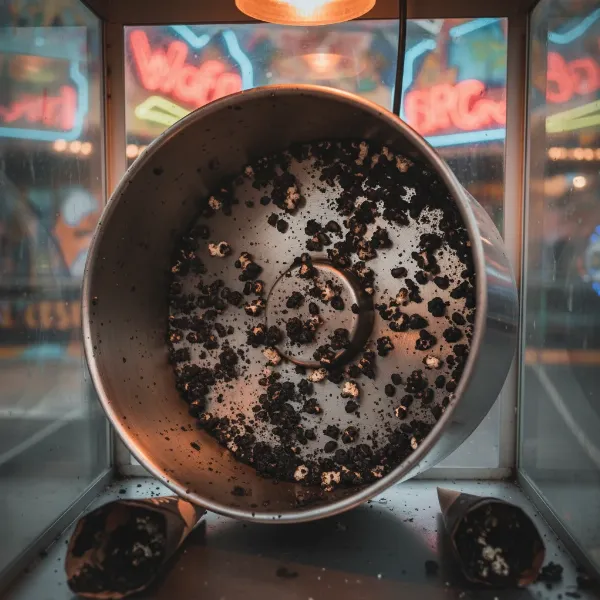 Close-up of charred popcorn kernels and scorched residue inside a popcorn machine kettle.
Mastering Your Popcorn Machine: A Step-by-Step Guide
Achieving perfectly popped, unburnt popcorn consistently requires a systematic approach. Follow these steps to transform your popcorn-making process.
Preheat the Kettle Properly
Just like baking, preheating is vital for even cooking. Turn on your popcorn machine and add a small amount of your chosen oil to the kettle. Allow it to heat for about 3-5 minutes before adding any kernels. This ensures the oil reaches the optimal popping temperature, facilitating quick and uniform popping while preventing kernels from sitting on a cool, then rapidly heating, surface.
Measure Kernels and Oil Accurately
Precision is key. Always refer to your machine’s manual for the recommended ratios of kernels to oil. Overloading or under-oiling can lead to inconsistent results and burning. Using measuring cups, especially silicone ones for oil, ensures you maintain consistency between batches.
Choose the Right Oil
The type of oil you use makes a significant difference, not only in flavor but also in preventing burning. Opt for oils with a high smoke point that can withstand the machine’s heat without breaking down.
Comparing Popcorn Oils
| Oil Type | Smoke Point (approx.) | Flavor Profile | Health Considerations |
|---|---|---|---|
| Avocado Oil | 500°F (260°C) | Rich, slightly buttery | High in healthy fats, very healthy |
| Peanut Oil | 450°F (232°C) | Distinct nutty | Relatively low unhealthy fats |
| Sunflower Oil | 450°F (232°C) | Faintly nutty | High in Vitamin E & K |
| Canola Oil | 400°F (204°C) | Buttery, neutral | Low in saturated fat, cost-effective |
| Refined Coconut Oil | 400°F (204°C) | Classic movie theater | Higher saturated fat |
| Ghee (Clarified Butter) | 485°F (252°C) | Buttery, nutty | Good for high heat, removes milk solids |
Avoid oils with lower smoke points like extra virgin olive oil (around 350°F/175°C) or regular butter, as they can burn easily and impart a bitter taste.
Add Kernels at the Right Time
Once the oil in your preheated kettle is shimmering and perhaps a test kernel or two have popped, it’s time to add the rest of your measured kernels. Pour them in slowly to avoid a sudden drop in temperature.
Engage Stirring Mechanisms
If your popcorn machine has a stirring arm, ensure it’s activated from the moment you add the kernels. This continuous movement is critical for preventing kernels from resting too long on the hot surface and ensures that heat is evenly distributed throughout the batch. For stovetop poppers, consistent shaking achieves a similar result.
Listen and Time the Popping
One of the most reliable indicators that your popcorn is done is the sound. Initially, you’ll hear a flurry of vigorous popping. As the popping slows to roughly one pop every 2-3 seconds, it’s time to turn off the heat. Do not wait for every last kernel to pop, as this will inevitably lead to the already-popped corn burning.
Empty Promptly
As soon as the popping slows and you’ve turned off the heat, immediately empty the popcorn into a serving bowl. Leaving the popped corn in the warm kettle, even without direct heat, can cause it to continue to cook and potentially burn or become stale.
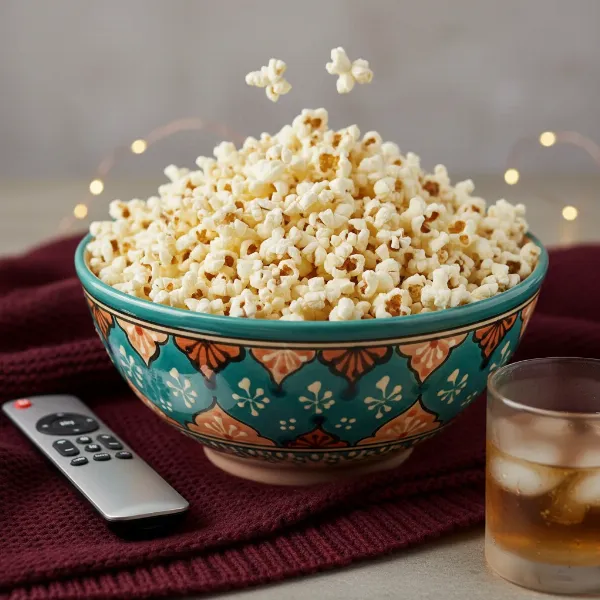 A large bowl filled with perfectly popped, fluffy, golden popcorn, ready for consumption.
Expert Tips for Perfect, Unburnt Popcorn
Beyond the fundamental steps, a few expert insights can elevate your popcorn game, ensuring consistently perfect batches every time.
Store Kernels Correctly
The secret to reliable popping lies in kernel freshness. Store your unpopped popcorn kernels in an airtight container in a cool, dry, and dark place. This preserves their essential moisture content, crucial for a good pop, and extends their shelf life, preventing them from becoming dry and prone to burning.
Avoid Overloading
Resist the urge to make a super-sized batch in one go if your machine isn’t designed for it. Always adhere to the maximum kernel capacity recommended by your popcorn machine’s manufacturer. Overloading leads to cramped conditions, uneven heat, and inevitably, burnt or unpopped kernels.
Regular Cleaning and Maintenance
A clean machine is a happy machine, and it’s essential for consistent, unburnt popcorn. Wipe down the inside and outside of your machine with a damp cloth after every use once it has cooled. For the kettle, use a mild soap solution or a specialized popcorn machine cleaner to remove stubborn oil residue and prevent buildup that can hinder heat transfer and impart off-flavors. Regularly inspect and lubricate any stirring mechanisms according to the manufacturer’s guide to ensure smooth operation.
“The difference between perfectly popped corn and a burnt disaster often comes down to attention to detail – from the quality of your kernels to the moment you turn off the heat. It’s a delicate balance, but one that’s incredibly rewarding to master.” – David, Popcornmakerpro.com Admin
Consider Kernel Type
While not directly impacting burning as much as other factors, different kernel types offer varied popping experiences. “Butterfly” kernels are the common variety, known for their irregular shape and excellent texture for absorbing toppings. “Mushroom” kernels, on the other hand, pop into rounder, denser pieces, making them ideal for candy coatings as they are less prone to breaking. Selecting a high-quality kernel, regardless of type, is paramount.
Conclusion
Say goodbye to the days of burnt popcorn and hello to consistently perfect batches. By understanding the common pitfalls and implementing these simple yet effective strategies—from controlling heat and choosing the right oil to meticulous cleaning and attentive timing—you can master your popcorn machine. Every movie night, party, or simple snack craving can now be met with a bowl of fluffy, flavorful popcorn, free from any hint of bitterness. What’s your favorite popcorn topping to pair with a perfectly popped batch?
Frequently Asked Questions
Why do some kernels burn while others don’t pop?
This usually indicates uneven heat distribution or old kernels. Too much heat can burn some kernels before they pop, while insufficient heat or dry, old kernels prevent others from popping entirely. Ensure proper preheating, adequate oil, and an active stirring mechanism for more uniform results.
What’s the ideal temperature for a popcorn machine?
Most popcorn machines are designed to reach the ideal popping temperature automatically. The key is proper preheating and not allowing the kernels to get too hot too fast. Using a medium heat setting for stovetop poppers or following your machine’s preheat instructions helps achieve this balance.
How much oil should I use for my popcorn machine?
Always follow the manufacturer’s recommendations provided in your machine’s manual. A general guideline for stovetop methods might be 1-2 tablespoons of oil for every half cup of kernels, but machine specifics vary. Too little oil can cause burning, while too much can make popcorn greasy.
How often should I clean my popcorn machine to prevent burning?
It is best practice to clean your popcorn machine, especially the kettle, after every use. Regular cleaning prevents the buildup of old oil residue and unpopped kernel fragments, which can affect heat transfer, taint flavor, and ultimately lead to burning. A quick wipe down and occasional deep clean will maintain optimal performance.