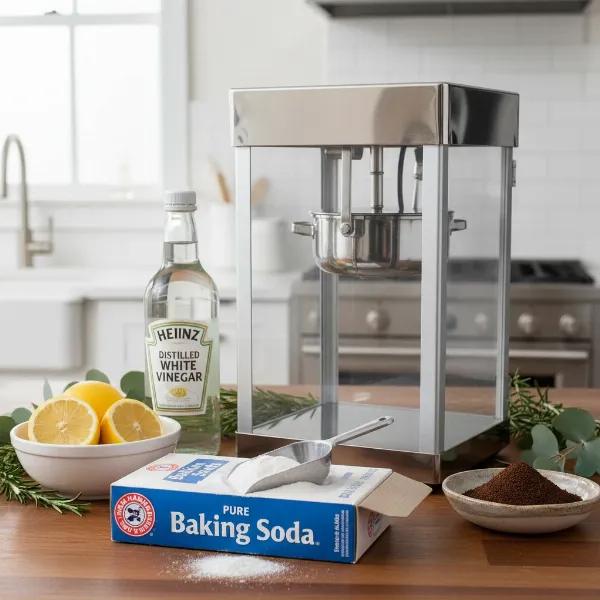
There’s nothing quite like the irresistible aroma and satisfying crunch of freshly popped popcorn. Whether it’s movie night at home or a busy day at your snack bar, a popcorn maker is a beloved appliance. However, over time, that delightful machine can accumulate stubborn grease and residue, impacting both its performance and the taste of your next batch. A greasy popcorn maker isn’t just unsightly; it can lead to foul-smelling smoke, uneven popping, and a less enjoyable snack. If you’ve ever wondered how to restore your popcorn maker to its pristine, grease-free glory, you’re in the right place. This comprehensive guide will walk you through effective cleaning strategies for various types of popcorn makers, ensuring your next batch is perfectly delicious and your machine lasts for years to come.
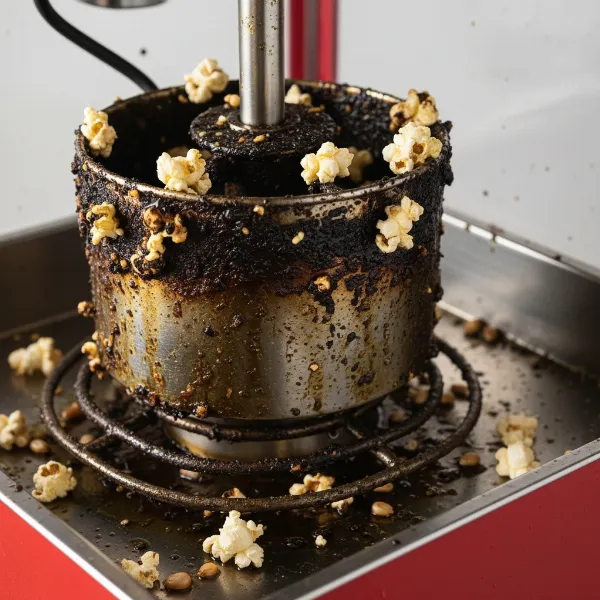 Close-up of a dirty, greasy popcorn machine kettle with burnt oil residue inside, needing cleaning.
Understanding Different Types of Popcorn Makers and Their Cleaning Needs
Cleaning your popcorn maker effectively starts with understanding its type. Different designs require specific approaches to tackle grease and residue. Knowing the nuances of each will make your cleaning process much more efficient and prevent potential damage.
Stovetop Popcorn Makers
Stovetop popcorn makers are often simple pots with a lid and a stirring mechanism. They are durable but can accumulate significant oil residue due to direct heat exposure and the use of oil for popping. Their direct contact with heat means burnt-on spots can be a common issue, requiring more rigorous cleaning.
- Pros: Generally inexpensive, easy to use, excellent temperature control for custom flavors.
- Cons: Requires constant attention, prone to burning if not monitored, can be messier than other types.
- Best for: Traditionalists who enjoy hands-on cooking and precise flavor adjustments.
|
Our Picks for the Best Popcorn maker in 2026
As an Amazon Associate I earn from qualifying purchases.
|
||
| Num | Product | Action |
|---|---|---|
| 1 | Original Whirley Pop Popcorn Maker - Wabash Valley Farms Gourmet Popcorn Popper, Aluminum Pot With Nylon Gears, 3-Minute Stove Top Popper, Home Movie Night (Silver) |

|
| 2 | West Bend Stir Crazy Hot Oil Popcorn Popper, Popcorn Maker Machine with Large Serving Bowl Lid and Stirring Rod Perfect for Movie Night Snack Time or Parties, 6-Quart, Red |
|
| 3 | Dash Fresh Pop Popcorn Maker - Oil-Free, Air Popcorn Popper - With Measuring Cup & Recipe Guide - Perfect for Movie Nights - 16 Cups, White |
|
| 4 | Black Vintage Commercial Popcorn Machine with Cart & Warmer Light - 12oz Stainless Steel Popper Makes 60 Cups for Theater, Parties & Home Use |
|
| 5 | Presto 04863 Poplite Hot Air Popcorn Popper - Built-In Measuring Cup + Melts Butter, Easy to Clean, Built-In Cord Wrap, 18 Cups, Red |
|
| 6 | Dash SmartStore Deluxe Stirring Popcorn Maker - Hot Oil Electric Popcorn Popper with Butter-Warming Tray, Clear Serving Bowl, Storage Lid & Measuring Cup - 24 Cups, Red |
|
| 7 | Dash Fresh Pop Popcorn Maker - Oil-Free, Air Popcorn Popper - With Measuring Cup & Recipe Guide - Perfect for Movie Nights - 16 Cups, Red |
|
| 8 | Hot Air Popper Popcorn Maker, 1200W Popcorn Machine, 4.5-Quart Air Popper for Family Movie Nights, Popcorn Popper, Fast 2-Min Popcorn Maker Machine, Popcorn Popper |
|
| 9 | Dash Fresh Pop Popcorn Maker - Oil-Free, Air Popcorn Popper - With Measuring Cup & Recipe Guide - Perfect for Movie Nights - 16 Cups, Aqua |
|
| 10 | VEVOR Commercial Popcorn Machine, 8 Oz Kettle, 850 W Countertop Popcorn Maker for 48 Cups per Batch, Theater Style Popper with 3-Switch Control Steel Frame Tempered Glass Doors 2 Scoops 2 Spoons, Red |
|
Air Poppers
Air poppers use hot air to pop kernels, eliminating the need for oil in the popping chamber. This makes them a healthier option and generally easier to clean, as grease buildup is less of a concern. However, their plastic components can absorb flavors and odors over time.
- Pros: No oil needed for popping, healthier snack, quick operation.
- Cons: Popcorn can be drier, often less flavorful without oil, typically smaller batches.
- Best for: Health-conscious individuals looking to reduce calorie intake.
Electric Oil Poppers (Countertop and Cart Models)
These machines, ranging from home countertop units to larger commercial carts, use a heated kettle with oil to pop corn. They produce rich, buttery-tasting popcorn but are highly susceptible to heavy grease and burnt oil residue, especially within the kettle and surrounding areas. The combination of heat and oil means thorough degreasing is essential.
- Pros: Delivers crispy, flavorful popcorn, easy to season.
- Cons: Requires cooking oil, higher in calories, can be more challenging to clean due to oil residue.
- Best for: Those who love classic movie-theater style popcorn and enjoy richer flavors.
Essential Cleaning Supplies for a Greasy Popcorn Maker
Before you begin the cleaning process, gather all the necessary tools and supplies. Having everything within reach will streamline your efforts and ensure a more thorough clean.
- Dish Soap: A good quality degreasing dish soap is your primary weapon against oil.
- White Vinegar: An excellent natural degreaser and deodorizer, especially effective on tough residue and odors.
- Baking Soda: Works as a gentle abrasive for scrubbing and helps neutralize odors.
- Soft Cloths/Sponges: For wiping down surfaces without scratching.
- Nylon Scrubber/Brush: For more stubborn, stuck-on grime, ensuring it’s non-abrasive to prevent damage.
- Rubber Gloves: To protect your hands from grease and cleaning solutions.
- Warm Water: Essential for rinsing and soaking.
- Spray Bottle: Handy for applying cleaning solutions.
- Paper Towels: For initial wiping and drying.
- Scraper (Plastic/Silicone): For carefully removing larger, hardened bits of burnt-on residue.
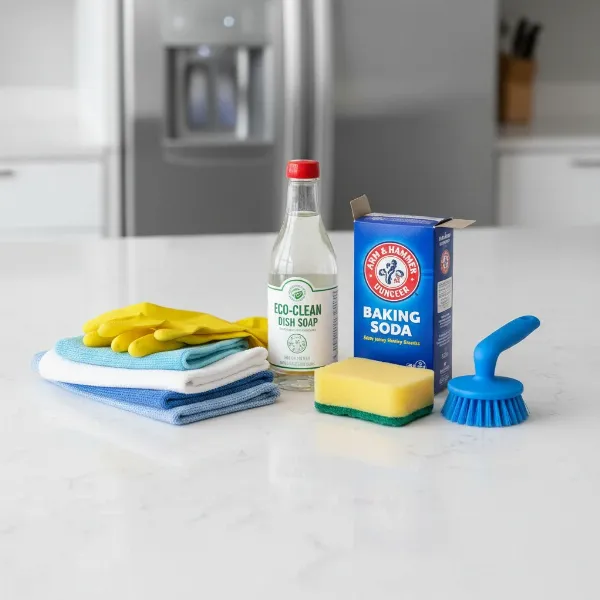 Various cleaning supplies for a popcorn maker, including dish soap, vinegar, baking soda, cloths, and brushes.
Step-by-Step Guide: How to Properly Clean Your Greasy Popcorn Maker
Cleaning a greasy popcorn maker requires patience and the right technique. Follow these steps for a sparkling, grease-free machine.
1. Safety First: Unplug and Disassemble
Always prioritize safety. Ensure your popcorn maker is completely unplugged from the power source and cooled down before you touch any parts. Once cool, carefully disassemble any removable components such as the kettle, stirring arms, serving tray, and any removable doors or panels. This allows for easier access and a more thorough cleaning.
2. Initial Wipe-Down to Remove Loose Debris and Excess Grease
Before applying any cleaning solutions, use paper towels to wipe away any loose popcorn kernels, unpopped kernels, and as much excess grease as possible. This prevents larger particles from clogging drains and makes the subsequent cleaning steps more effective. For particularly heavy grease, multiple passes may be necessary.
3. Tackle the Kettle (For Stovetop and Electric Oil Poppers)
The kettle is often the greasiest part and requires the most attention.
- Soaking Method: Fill the kettle with warm water and a generous amount of degreasing dish soap. Let it soak for at least 30 minutes, or even a few hours for very stubborn buildup. For extra tough spots, add a ¼ cup of white vinegar to the soaking solution.
- Scrubbing: After soaking, use a nylon scrubber or brush to gently scrub the inside and outside of the kettle. Pay close attention to corners, crevices, and the stirring mechanism. For burnt-on residue, a paste made from baking soda and a little water can be applied, left for 15 minutes, and then gently scrubbed.
- Rinsing: Rinse the kettle thoroughly with warm water, ensuring all soap residue is removed. Repeat rinsing until the water runs clear and no suds remain.
4. Clean Removable Parts (Doors, Trays, Stirring Rods)
Most removable parts can be cleaned similarly to the kettle.
- Soak: Submerge these parts in a basin of warm, soapy water. For plastic parts, avoid excessively hot water which could warp them.
- Wipe/Scrub: Use a soft cloth or sponge to wipe away grease and residue. A nylon brush can be used for tight spots. For glass doors, a mixture of equal parts white vinegar and water in a spray bottle can cut through grease and leave a streak-free shine.
- Rinse and Dry: Rinse thoroughly and allow them to air dry or wipe them down with a clean towel.
5. Cleaning the Main Housing and Non-Removable Components
The main housing and any non-removable interior components often accumulate grease splatters.
- Dish Soap Solution: Mix a few drops of dish soap with warm water in a spray bottle. Lightly spray the greasy areas, being careful to avoid any electrical components.
- Wipe Down: Use a damp, soft cloth to wipe down all surfaces. For stubborn spots, let the solution sit for a few minutes before wiping.
- Vinegar for Shine and Odor: For a streak-free finish and to neutralize any lingering odors, follow up with a wipe-down using a cloth dampened with a 1:1 white vinegar and water solution.
- Air Poppers: For air poppers, primarily focus on wiping down the plastic housing with a damp cloth and mild dish soap. Use the vinegar solution for any interior areas that might have absorbed popcorn odors.
6. Final Rinse and Drying
After cleaning all components, ensure everything is completely dry before reassembly. Moisture can lead to rust or electrical issues. Air drying is often best, or you can use a clean, dry cloth.
7. Reassembly
Once all parts are dry, carefully reassemble your popcorn maker according to the manufacturer’s instructions.
Maintaining Your Popcorn Maker: Tips to Prevent Future Grease Buildup
Consistent maintenance is key to extending the life of your popcorn maker and keeping it looking great.
- Clean After Every Use: The easiest way to prevent stubborn grease buildup is to wipe down your popcorn maker (especially the kettle) immediately after each use, once it has cooled. Fresh grease is much easier to remove than hardened, baked-on residue.
- Don’t Overfill Oil: Using excessive oil not only makes your popcorn greasy but also contributes to more significant residue inside the machine. Follow manufacturer recommendations for oil quantities.
- Use Quality Oil: High-quality popcorn oils tend to burn less and leave less sticky residue than some cheaper alternatives.
- Regular Deep Cleans: Even with daily wipes, aim for a more thorough deep clean every few uses, or at least once a month, depending on how frequently you use your machine.
- Avoid Abrasive Cleaners: Steel wool or harsh abrasive cleaners can scratch surfaces, making them more susceptible to future grease and grime adhesion. Stick to soft cloths and nylon scrubbers.
When to Call a Professional or Consider a Replacement
While most popcorn maker cleaning can be done at home, there are times when professional help or a replacement might be necessary. If you encounter rust that compromises the structural integrity, persistent electrical issues after cleaning, or a burning smell that won’t dissipate even after a thorough cleaning, it might be time to consult an expert or invest in a new machine. Regular cleaning and proper maintenance significantly reduce the likelihood of these severe problems.
“A well-maintained popcorn maker isn’t just about aesthetics; it’s crucial for food safety, optimal performance, and ensuring that every batch tastes as good as the first.” – Alex Chen, Lead Technician at PopcornMakerPro.com
Conclusion
Cleaning your greasy popcorn maker properly doesn’t have to be a daunting task. By understanding the type of machine you have, gathering the right supplies, and following a methodical approach, you can easily banish stubborn grease and residue. Regular maintenance is your best defense against future buildup, ensuring your machine remains a reliable source of delicious popcorn for years to come. A clean popcorn maker not only produces better-tasting popcorn but also operates more efficiently and safely. So, take the time to give your popcorn maker the care it deserves, and get ready to enjoy countless batches of perfectly popped kernels. What are your favorite tips for keeping your popcorn maker in top shape?
Frequently Asked Questions
How often should I deep clean my popcorn maker?
For regular home use, a deep clean every 3-4 uses or at least once a month is recommended. Commercial machines may require daily deep cleaning depending on volume.
Can I put popcorn maker parts in the dishwasher?
Always check your owner’s manual. Many electric components and some plastic parts are not dishwasher safe and could be damaged by the high heat or harsh detergents. Kettles for electric poppers are almost never dishwasher safe.
What causes a popcorn maker to smell burnt even after cleaning?
A persistent burnt smell often indicates that some residue, possibly very thin or in hard-to-reach areas, remains and is burning when heated. It could also suggest an electrical issue if the smell is metallic or plastic-like, in which case you should discontinue use.
Are there any natural degreasers I can use for my popcorn maker?
Yes, white vinegar and baking soda are excellent natural degreasers. A paste of baking soda and water can tackle tough spots, while a spray of diluted white vinegar is great for general grease removal and deodorizing.
How do I clean the exterior of a commercial popcorn machine cart?
For the exterior metal or plastic panels of a commercial cart, use a mild dish soap solution and a soft cloth. For stainless steel, follow with a stainless steel cleaner to prevent streaks and maintain its shine. Avoid harsh abrasives that can scratch the finish.