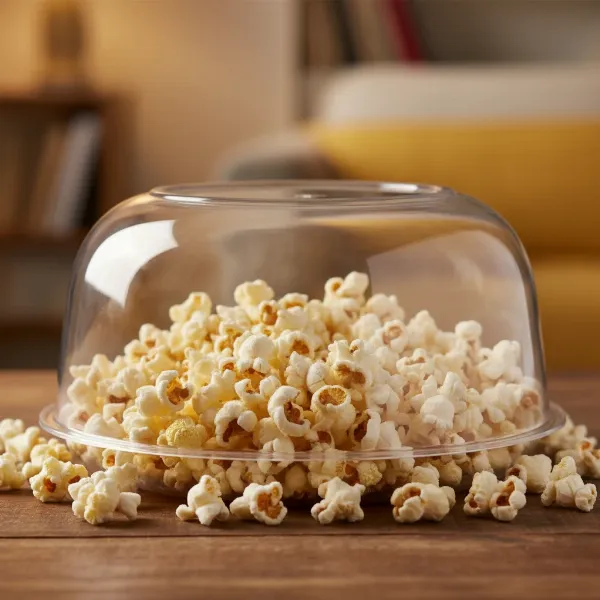
There’s nothing quite like the aroma of freshly popped popcorn filling your home, instantly transporting you to movie nights and carnival fun. But achieving that golden, fluffy, and flavorful snack often boils down to one crucial decision: what fat should you use in your popcorn machine? The debate between coconut oil and butter is a long-standing one, with each offering distinct characteristics that can dramatically impact your final batch. As a seasoned popcorn technician with over a decade of experience, I’ve seen countless batches and tested endless combinations. Let’s delve into the science and sensation behind these choices to help you find your perfect pop.
The Popcorn Popping Process: Why Your Choice of Fat Matters
Popping popcorn is more than just heating kernels; it’s a delicate balance of temperature, moisture, and fat. The right popping medium is essential for several reasons. Firstly, it needs a high smoke point – the temperature at which oil begins to burn and produce smoke. If the fat burns before your kernels pop, you’ll end up with a bitter taste and potentially an unpleasant mess. Secondly, the fat contributes to the flavor and texture of the popcorn, influencing how crisp or tender each bite is. Finally, an effective popping fat ensures even heat distribution, leading to fewer unpopped kernels and a consistent, fluffy output from your machine.
Coconut Oil: The Movie Theater Secret to a Perfect Pop
Often heralded as the gold standard for popcorn machines, coconut oil is widely used by commercial theaters and gourmet popcorn shops for good reason.
Advantages of Coconut Oil
- Superior Popping Performance: Coconut oil boasts a high smoke point, typically ranging from 350°F for unrefined to 400°F for refined versions. This stability allows it to reach and maintain the optimal temperature needed to pop corn kernels efficiently without burning, resulting in beautifully fluffy and crunchy popcorn.
- Signature Flavor Profile: When popped with coconut oil, your popcorn develops a subtle, almost buttery and nutty taste. Many users find it mimics that classic movie theater flavor without needing excessive amounts of real butter as a topping. Refined coconut oil offers a milder taste, allowing the popcorn’s natural flavor and any added seasonings to shine, while unrefined versions can impart a delightful tropical hint.
- Excellent Coating and Texture: Its unique composition allows coconut oil to coat kernels effectively, promoting even popping and a consistent texture throughout the batch. The result is popcorn that’s creamy and rich, yet still wonderfully crisp, avoiding the dreaded sogginess.
- Cleaner Operation: From a machine maintenance perspective, coconut oil is favorable because it tends to create less carbon buildup in the popping kettle compared to other fats. This can contribute to easier cleaning and prolong the life of your popcorn maker.
- Dietary Considerations: For those with dairy sensitivities or following a vegan diet, coconut oil is an excellent plant-based alternative that delivers a rich, satisfying flavor without animal products.
|
Our Picks for the Best Popcorn maker in 2026
As an Amazon Associate I earn from qualifying purchases.
|
||
| Num | Product | Action |
|---|---|---|
| 1 | Dash SmartStore Deluxe Stirring Popcorn Maker - Hot Oil Electric Popcorn Popper with Butter-Warming Tray, Clear Serving Bowl, Storage Lid & Measuring Cup - 24 Cups, Red |

|
| 2 | Black Vintage Commercial Popcorn Machine with Cart & Warmer Light - 12oz Stainless Steel Popper Makes 60 Cups for Theater, Parties & Home Use |
|
| 3 | Dash Fresh Pop Popcorn Maker - Oil-Free, Air Popcorn Popper - With Measuring Cup & Recipe Guide - Perfect for Movie Nights - 16 Cups, Aqua |
|
| 4 | VEVOR Commercial Popcorn Machine, 8 Oz Kettle, 850 W Countertop Popcorn Maker for 48 Cups per Batch, Theater Style Popper with 3-Switch Control Steel Frame Tempered Glass Doors 2 Scoops 2 Spoons, Red |
|
| 5 | Dash Fresh Pop Popcorn Maker - Oil-Free, Air Popcorn Popper - With Measuring Cup & Recipe Guide - Perfect for Movie Nights - 16 Cups, Red |
|
| 6 | Original Whirley Pop Popcorn Maker - Wabash Valley Farms Gourmet Popcorn Popper, Aluminum Pot With Nylon Gears, 3-Minute Stove Top Popper, Home Movie Night (Silver) |
|
| 7 | Hot Air Popper Popcorn Maker, 1200W Popcorn Machine, 4.5-Quart Air Popper for Family Movie Nights, Popcorn Popper, Fast 2-Min Popcorn Maker Machine, Popcorn Popper |
|
| 8 | Dash Fresh Pop Popcorn Maker - Oil-Free, Air Popcorn Popper - With Measuring Cup & Recipe Guide - Perfect for Movie Nights - 16 Cups, White |
|
| 9 | Presto 04863 Poplite Hot Air Popcorn Popper - Built-In Measuring Cup + Melts Butter, Easy to Clean, Built-In Cord Wrap, 18 Cups, Red |
|
| 10 | West Bend Stir Crazy Hot Oil Popcorn Popper, Popcorn Maker Machine with Large Serving Bowl Lid and Stirring Rod Perfect for Movie Night Snack Time or Parties, 6-Quart, Red |
|
 Golden fluffy popcorn popped with coconut oil, reminiscent of movie theater snack, in a large bowl.
Potential Drawbacks of Coconut Oil
While largely beneficial, coconut oil does have some considerations. It has a higher percentage of saturated fat compared to some plant-based oils, which may be a concern for some health-conscious individuals. Additionally, if you’re not a fan of even a subtle coconut flavor, opt for refined coconut oil, which is processed to be more neutral.
Butter: A Flavorful Topping, But Not the Best Popping Fat
The desire for “buttery” popcorn is universal, but using regular stick butter directly in your popcorn machine for popping is generally not recommended.
Why Regular Butter Fails as a Popping Fat
- Low Smoke Point: Traditional butter has a significantly lower smoke point (around 302-325°F) than most popping oils. Popcorn requires higher temperatures to pop efficiently, meaning regular butter will likely burn before the kernels do, resulting in acrid smoke and a foul, burnt taste.
- Water and Milk Solids: Butter contains both water and milk solids. The water content can lead to soggy popcorn, while the milk solids are prone to burning at high heat, leaving dark, burnt residue in your kettle that is difficult to clean and imparts an unpleasant bitter flavor.
- Ineffective Popping: Due to these characteristics, regular butter struggles to distribute heat evenly, often leading to a high number of unpopped kernels and a less-than-ideal texture for those that do pop.
Clarified Butter (Ghee): A Better Buttery Alternative
If you absolutely crave a true butter flavor during the popping process, clarified butter (also known as ghee) is a far superior choice. Clarified butter is made by heating regular butter to separate the milk solids and water, leaving behind pure butterfat.
- Higher Smoke Point: Without the milk solids and water, clarified butter has a much higher smoke point (around 485°F), making it suitable for popping corn.
- Pure Buttery Flavor: It delivers an authentic, rich butter flavor directly to your popcorn without the risk of burning or sogginess associated with regular butter.
- Less Mess: With the milk solids removed, ghee will also leave less residue in your popcorn machine kettle.
However, many enthusiasts still prefer using a high smoke point oil for popping and then drizzling melted clarified butter (or a butter-flavored oil) over the popcorn after it’s popped for maximum flavor and optimal texture.
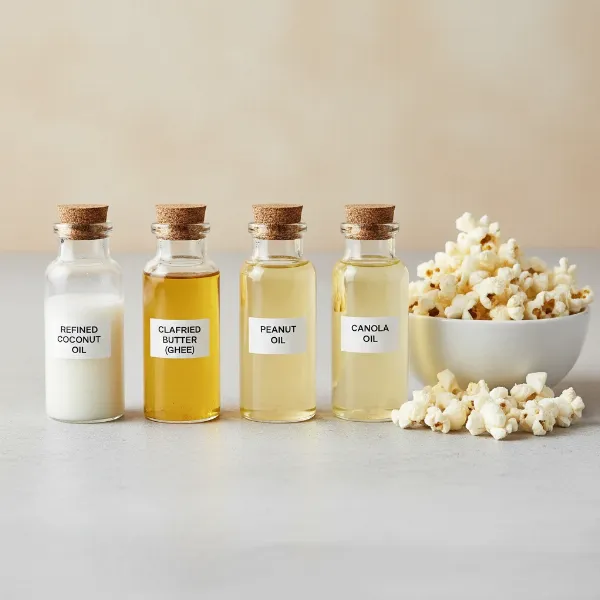 Visual comparison of different cooking oils (coconut, clarified butter, canola) suitable for popping popcorn.
Beyond Coconut and Butter: Exploring Other Popping Oils
While coconut oil is a strong contender, other oils can also yield excellent results depending on your preferences.
- Peanut Oil: A popular choice for its high smoke point (around 450°F) and rich, buttery flavor that closely mimics movie theater popcorn. It provides a satisfying crunch but be mindful of nut allergies.
- Canola Oil: A versatile and affordable option with a good smoke point (400-450°F). Its neutral taste allows the popcorn’s natural flavor to shine, making it suitable for a variety of seasonings. It’s also low in saturated fats.
- Sunflower Oil: Offers a balance of nutritional value (rich in Vitamin E and K) and a medium-to-high smoke point (320-450°F). It has a mild flavor and is often considered a healthier alternative.
- Avocado Oil: Boasts an exceptionally high smoke point (510-520°F) and is rich in healthy monounsaturated fats and antioxidants. It imparts a subtle, almost buttery taste without overpowering the popcorn.
Choosing the Best for Your Popcorn Machine
When selecting the ideal fat for your popcorn machine, consider these factors:
- Taste Preference: Do you want that classic movie theater taste? Coconut oil is your go-to. Prefer a neutral base for diverse seasonings? Canola or sunflower oil might be better. If true butter flavor during popping is non-negotiable, consider clarified butter.
- Health Goals: If saturated fat is a concern, oils like canola, sunflower, or avocado oil offer healthier fat profiles.
- Machine Type and Cleaning: High smoke point oils like coconut oil and refined alternatives generally perform best and are easier to clean up after. Regular butter will likely cause a sticky, burnt mess.
- Desired Texture: For maximum crispness, avoid fats with high water content.
For most popcorn machine users seeking that authentic, delicious experience, refined coconut oil is the clear winner for popping. It consistently delivers excellent flavor, even popping, and handles the high temperatures required. Reserve regular butter for drizzling over your popcorn after it’s popped to add moisture and rich, creamy flavor without compromising the crunch or your machine.
“The secret to truly great popcorn isn’t just the kernels; it’s the oil. Choosing wisely ensures every pop is a perfect one.” – PopcornPro Admin, PopcornMakerPro.com
Tips for Perfect Popcorn, Every Time
Regardless of your chosen fat, a few expert tips can elevate your popcorn game:
- Maintain the Right Ratio: A common guideline is to use about 1/3 cup of oil for every 1 cup of popcorn kernels, or approximately 2 tablespoons of oil per half cup of kernels. Too much oil can result in greasy popcorn, while too little may lead to unpopped kernels.
- Preheat Your Machine: Allow your popcorn machine to properly preheat with the oil inside. This ensures the oil reaches the optimal popping temperature quickly and evenly.
- Don’t Overcrowd the Kettle: Stick to the recommended batch size for your specific machine. Overfilling can lead to uneven popping, unpopped kernels, and a less airy texture.
- Clean Regularly: After each use, wipe down your kettle to remove any excess oil and prevent carbon buildup. Regular cleaning, especially after using oils with lower smoke points or milk solids, will keep your machine performing at its best.
- Store Kernels Properly: Keep your popcorn kernels in an airtight container in a cool, dark place to preserve their moisture content, which is crucial for optimal popping.
Conclusion
The journey to perfect popcorn is a delicious one, and the choice between coconut oil and butter for your machine is pivotal. While regular butter introduces issues with burning and sogginess due to its low smoke point and water content, coconut oil stands out as the superior choice for popping. Its high smoke point, ability to impart a delightful flavor, and contribution to a crisp texture make it the ultimate workhorse for any popcorn machine. If an intense buttery flavor is what you seek, consider clarified butter (ghee) for popping, or simply melt butter and drizzle it over your freshly popped snack. By understanding the characteristics of each fat, you’re now equipped to create batches of popcorn that are consistently crunchy, flavorful, and truly irresistible. So, what will be your winning combination for your next popcorn adventure?