Ever find yourself in that classic movie night conundrum? You’ve just made a perfect batch of popcorn—fluffy, aromatic, and warm—but now you face the dreaded transfer. You try to pour it from the hot machine into a separate bowl, inevitably leaving a trail of rogue kernels on the counter and floor. It’s a small hassle, but it’s the last thing you want to deal with when the opening credits are rolling. This is where a simple, yet genius, innovation comes in. But What Is A Serving Bowl Lid, and how can it completely change your popcorn game?
Simply put, a serving bowl lid is a multi-functional cover for a popcorn maker that doubles as the actual serving bowl. Once the popping is done, you just flip the entire machine over, and voilà—the base that was just catching your popcorn becomes a ready-to-go bowl. It’s one of those “why didn’t I think of that?” features that streamlines the entire process from popping to snacking. Stick around, because we’re about to dive deep into why this clever lid is just the tip of the iceberg when it comes to the joys of owning a dedicated popcorn maker.
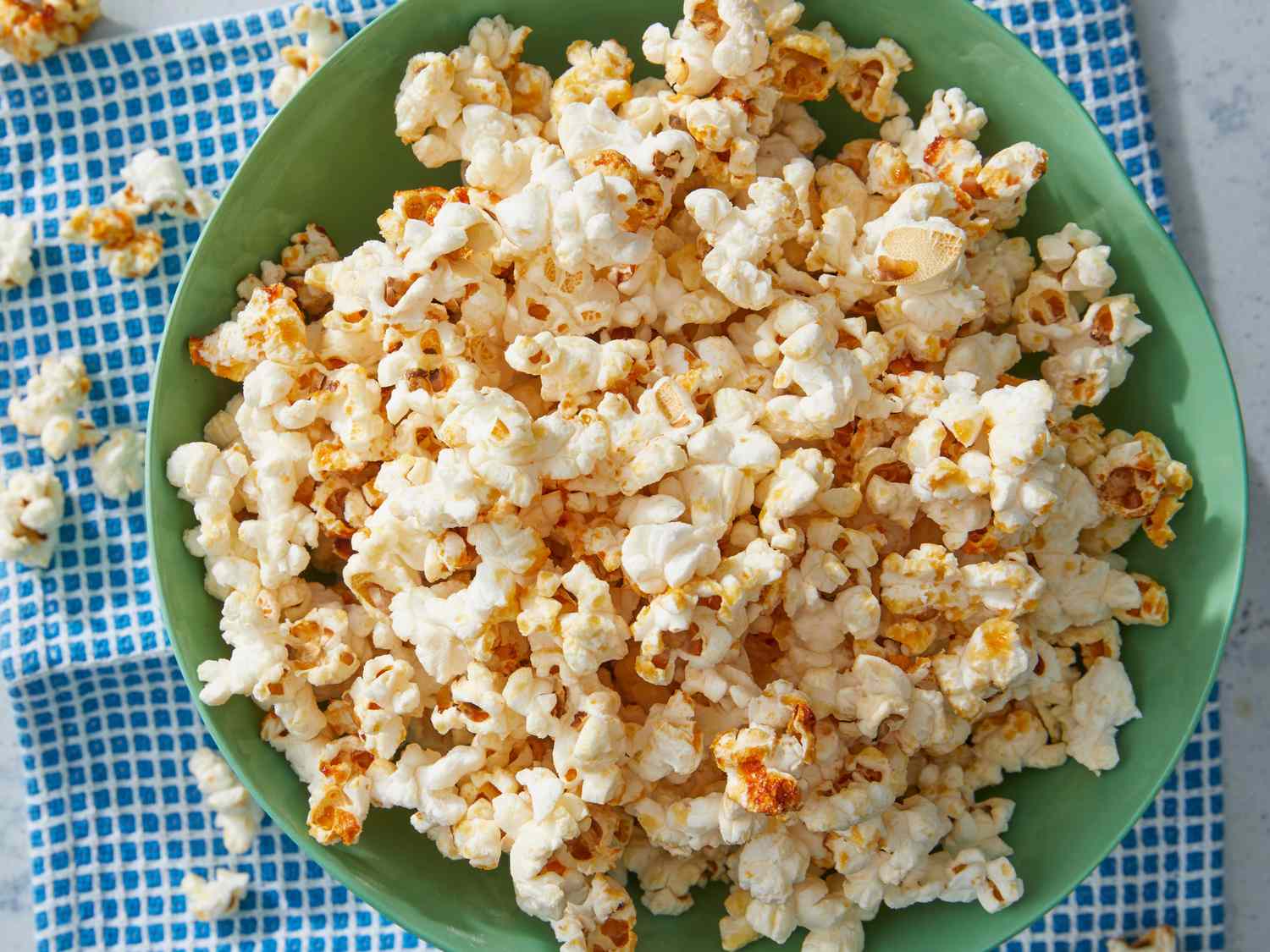
Why Do You Even Need a Popcorn Maker?
Let’s be real for a second. The siren song of microwave popcorn is strong. It’s fast, it’s easy, and it’s… well, it’s fine. But “fine” isn’t what movie night dreams are made of. Upgrading to a real popcorn maker is like switching from instant coffee to a freshly brewed espresso. The difference is night and day.
- Flavor Explosion: You control everything. The type of oil (coconut oil for that authentic movie theater taste!), the amount of butter, the sprinkle of salt or fancy seasonings. The result is a fresher, more robust flavor that pre-packaged bags can’t touch.
- Healthier Snacking: Those microwave bags often contain a cocktail of preservatives, trans fats, and artificial flavorings. With a popcorn maker, you know exactly what’s in your bowl. Using an air popper? You can have a delicious snack with virtually no oil at all.
- Cost-Effective: A big jar of popcorn kernels is incredibly cheap compared to buying boxes of microwave popcorn. Over time, your machine will pay for itself, especially if you have a family of popcorn fanatics.
- The Experience: There’s something magical about the sound and smell of popcorn popping. It turns a simple snack into a fun activity, getting everyone excited before the movie even starts.
The Most Popular Types of Popcorn Makers
Walking into the world of popcorn makers can feel a bit overwhelming, but most machines fall into a few key categories. Each has its own vibe and method for turning tiny, hard kernels into fluffy clouds of deliciousness.
Hot Air Poppers
Think of these as the health-conscious cousin of the group. They use a vortex of hot air to circulate and pop the kernels—no oil required.
- Pros: Very healthy, fast, and typically easy to clean.
- Cons: The popcorn can sometimes be a bit dry or “chewy” since there’s no oil used in the popping process. Seasonings can also have a harder time sticking.
Oil-Based Poppers (Countertop)
These are the machines that most closely replicate that authentic movie theater experience. A stirring arm moves the kernels around in a thin layer of hot oil on a non-stick plate, ensuring even heating and a rich flavor. Many of these models are the ones that feature the brilliant serving bowl lid.
- Pros: Produces incredibly flavorful, crisp popcorn. The oil helps seasonings adhere perfectly.
- Cons: Requires more cleaning than an air popper due to the oil.
|
Our Picks for the Best Popcorn Maker in 2025
As an Amazon Associate, we earn from qualifying purchases.
|
||
| Num | Product | Action |
|---|---|---|
| 1 | Elite Gourmet EPM330M Automatic Stirring 12-cup Popcorn Maker Popper, Hot Oil Popcorn Machine w/Measuring Cap & Built-in Reversible Serving Bowl, Great for Home Party Kids, Safety ETL Approved, Mint |

|
| 2 | Presto 04820 Poplite Hot Air Popcorn Popper - Built-In Measuring Cup + Melts Butter, Easy to Clean, Built-In Cord Wrap, 18 Cups, Yellow |
|
| 3 | Air Popper Popcorn Maker, 1200W Fast Making Electric Popcorn Machine with Measuring Cup and On/Off Switch, BPA Free, Oil-Free, ETL Certified 90% High Popping Rate Popcorn Popper for Home, Party, Movie |
|
| 4 | Popcorn Machine – 800W Electric Hot Oil Popcorn Maker with Non-Stick Plate, Lid & Stirrer – Large 24-Cup Popper for Home, Parties, Movie Night – Butter, Sugar & Spice Compatible (Red) |
|
| 5 | DASH SmartStore™ Deluxe Stirring Popcorn Maker, Hot Oil Electric Popcorn Machine with Large Lid for Serving Bowl and Convenient Storage, 24 Cups – Aqua |
|
| 6 | DASH Hot Air Popcorn Popper Maker with Measuring Cup to Portion Popping Corn Kernels + Melt Butter, 16 Cups - Red |
|
| 7 | Ecolution Patented Micro-Pop Microwave Popcorn Popper with Temperature Safe Glass, 3-in-1 Lid Measures Kernels and Melts Butter, Made Without BPA, Dishwasher Safe, 3-Quart, Red |
|
| 8 | West Bend Stir Crazy Hot Oil Popcorn Popper, Popcorn Maker Machine with Large Serving Bowl Lid and Stirring Rod Perfect for Movie Night Snack Time or Parties, 6-Quart, Red |
|
| 9 | DASH Hot Air Popcorn Popper Maker with Measuring Cup to Portion Popping Corn Kernels + Melt Butter, 16 Cups - Aqua |
|
| 10 | West Bend Stir Crazy Movie Theater Popcorn Popper, Gourmet Popcorn Maker Machine with Nonstick Popcorn Kettle, Measuring Tool and Popcorn Scoop for Popcorn Machine, 4-Qt., Red |
|
Stovetop Poppers
For the traditionalists, a stovetop popper is a true classic. It’s essentially a specialized pot with a crank-operated stirring mechanism on the lid. You add oil and kernels, place it on the stove, and turn the crank.
- Pros: Gives you a lot of control over the heating process. Creates fantastic, old-fashioned popcorn. Doesn’t take up counter space for storage.
- Cons: Requires hands-on attention (you have to keep cranking!) and can be tricky to clean.
Microwave Popcorn Bowls
Not to be confused with disposable bags, these are reusable, typically silicone or glass, bowls designed for making popcorn in the microwave. You just add kernels, pop it in, and you’re good to go.
- Pros: Extremely convenient and easy to store. Many are dishwasher-safe.
- Cons: The quality can vary depending on your microwave’s power and consistency.
Expert Take: According to food scientist Dr. Eleanor Vance, “The key difference lies in heat transfer. Air poppers use convective heat, which is great for low-fat results. Oil-based and stovetop poppers use conductive heat, searing the outside of the kernel for a crispier texture and allowing for better flavor infusion from the oil itself.”
How to Choose the Perfect Popcorn Maker (and Why a Serving Bowl Lid Matters)
So, you’re ready to make the leap. But how do you pick the right machine for you? It comes down to a few key factors. And yes, you should absolutely consider whether it comes with that game-changing lid.
What factors should I consider when buying a popcorn maker?
Think about your lifestyle and snacking habits. The best machine is the one you’ll actually use, so honesty is key here.
- Capacity: Are you making a solo snack or feeding a crowd for family movie night? Capacities can range from 6 to over 20 cups of popped corn. Check the specs before you buy.
- Speed: Most modern electric poppers are quite fast, churning out a full batch in just 2-4 minutes. If speed is your top priority, an electric air or oil popper is your best bet.
- Ease of Cleaning: This is a huge one. An air popper is the easiest to clean. For oil poppers, look for non-stick surfaces and, ideally, dishwasher-safe parts. The multi-purpose serving bowl lid is a winner here—it means one less bowl to wash!
- Size & Footprint: How much counter or cabinet space do you have? Some countertop models can be bulky, while stovetop or microwave versions are much easier to tuck away.
A simple feature like a what is a serving bowl lid is a perfect example of smart design. It shows that the manufacturer has thought about the entire user experience, from the moment you pour in the kernels to the moment you’re kicking back on the couch, bowl in hand. It’s a sign of a well-designed, user-friendly product.
Tips and Tricks for Absolutely Perfect Popcorn
Owning a great machine is half the battle. The other half is using the right ingredients and techniques. I’ve made my fair share of mediocre batches, but I’ve learned a few things along the way.
- Kernel Type Matters: There are two main types: “butterfly” (or “snowflake”), which has irregular shapes with lots of “wings” perfect for catching butter, and “mushroom,” which pops into a dense, round shape that’s ideal for candy coatings or caramel corn. For classic movie-style popcorn, stick with butterfly.
- Choose Your Oil Wisely: The oil’s smoke point is crucial. You need one that can handle high heat. Coconut oil is the industry standard for that classic theater taste. Canola, sunflower, or peanut oil are also excellent choices. Avoid olive oil, as its smoke point is too low and it can burn.
- The Secret to Seasoning: The best time to season is right after the popcorn is popped and still hot. The steam and heat will help the salt or seasoning stick. For an even better hold, use a fine-grained popcorn salt, which adheres much better than coarse table salt.
- Don’t Be Afraid to Experiment: Try nutritional yeast for a cheesy flavor, smoked paprika for a bit of spice, or a sprinkle of cinnamon and sugar for a sweet treat. The possibilities are endless!
How to Clean and Maintain Your Popcorn Maker
To keep your machine running perfectly for years of movie nights, a little TLC goes a long way.
- Unplug and Cool Down: First and foremost, always make sure the machine is unplugged and completely cool before you even think about cleaning it.
- Wipe Down the Base: For electric models, the base contains the heating element and motor, so it should never be submerged in water. Use a damp cloth or sponge to wipe down the interior and exterior.
- Wash Removable Parts: This is where that serving bowl lid, popping chamber, and any measuring cups come in. Wash them by hand with warm, soapy water or, if the manual says it’s okay, pop them in the top rack of the dishwasher.
- Dry Thoroughly: Make sure all parts are completely dry before you reassemble and store the machine to prevent any rust or mildew.
- Address Stubborn Grease: For oil poppers, you might get some stubborn, baked-on oil residue over time. A paste of baking soda and water can work wonders as a gentle, non-abrasive scrub.
Frequently Asked Questions (FAQ)
Q1: What is a serving bowl lid on a popcorn maker?
A serving bowl lid is a clever, multi-functional cover for a popcorn maker. During popping, it acts as a lid, and once finished, the entire unit can be flipped over, allowing the lid to become the bowl you serve and eat from, saving you an extra dish to wash.
Q2: Are air-popped or oil-popped popcorn makers better?
It depends on your priority. If you want the healthiest, lowest-calorie snack, an air popper is the undisputed winner. If you crave the richest flavor and crispiest texture, reminiscent of movie theater popcorn, an oil-based popper is the way to go.
Q3: Can I use any kind of popcorn kernel in my machine?
Yes, most popcorn makers can handle any standard popcorn kernels, whether they are white, yellow, or multi-colored. The key is to use fresh kernels, as old, dried-out kernels won’t pop as well and will leave you with more “old maids.”
Q4: Why are there so many unpopped kernels left in my machine?
This can be caused by a few things: old kernels, not using enough oil (in an oil popper), or overloading the machine. Try using a fresh batch of kernels and make sure you’re following the manufacturer’s instructions for the correct kernel-to-oil ratio and batch size.
Q5: Is making popcorn in a machine cheaper than microwave bags?
Absolutely. While the initial investment in the machine is higher, the cost per serving is significantly lower. A large container of kernels can make dozens of batches for the same price as just a few boxes of microwave popcorn bags.
Your Ticket to a Better Movie Night
In the end, a popcorn maker is more than just another kitchen gadget. It’s an investment in better snacks, healthier choices, and more memorable moments. It elevates a simple movie night into a full-sensory experience. And now that you know what is a serving bowl lid, you can appreciate the small details that make a good product great—designs that save you time, reduce cleanup, and get you to the good stuff faster.
So go ahead, find the perfect machine for your kitchen, and reclaim your movie night. We’d love to hear about your popcorn adventures! Share your favorite popcorn maker or your go-to secret seasoning recipe in the comments below.